


Gifting Made Simple
Give the Gift of ChoiceClick below to purchase a Prairie Mall eGift Card that can be used at participating retailers at Prairie Mall.Buy Gift CardHome
It Gets Me Home, This Curving Track
Coles
Loading Inventory...
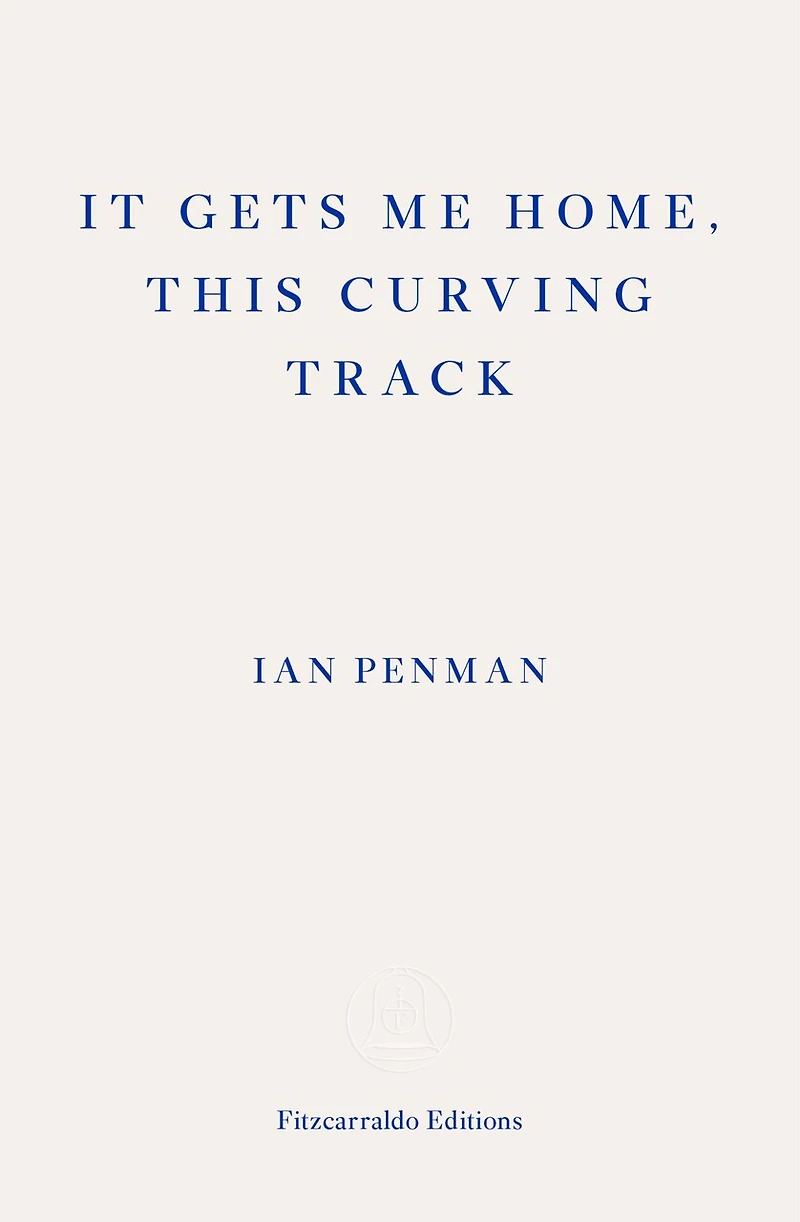
It Gets Me Home, This Curving Track in Grande Prairie, AB
Current price: $8.89
Original price: $10.18
Coles
It Gets Me Home, This Curving Track in Grande Prairie, AB
Current price: $8.89
Original price: $10.18
Loading Inventory...
Size: Kobo eBook
*Product information and pricing may vary - to confirm current pricing, availability, shipping, and return information please contact Coles. In the event of a pricing discrepancy, the retailer's price will apply.
When all else fails, when our compass is broken, there is one thing some of us have come to rely on: music really can give us a sense of something like home. With It Gets Me Home, This Curving Track , legendary music critic Ian Penman reaches for a vanished moment in musical history when cultures collided and a certain kind of cross-generational and ‘cross-colour’ awareness was born. His cast of characters includes the Mods, James Brown, Charlie Parker, Frank Sinatra, Elvis Presley, John Fahey, Steely Dan and Prince – black artists who were innovators, and white musicians who copied them for the mainstream. In ‘prose that glides and shimmies and pivots on risky metaphors, low puns and highbrow reference points’ (Brian Dillon, frieze ), Ian Penman’s first book in twenty years is cause for celebration.
When all else fails, when our compass is broken, there is one thing some of us have come to rely on: music really can give us a sense of something like home. With It Gets Me Home, This Curving Track , legendary music critic Ian Penman reaches for a vanished moment in musical history when cultures collided and a certain kind of cross-generational and ‘cross-colour’ awareness was born. His cast of characters includes the Mods, James Brown, Charlie Parker, Frank Sinatra, Elvis Presley, John Fahey, Steely Dan and Prince – black artists who were innovators, and white musicians who copied them for the mainstream. In ‘prose that glides and shimmies and pivots on risky metaphors, low puns and highbrow reference points’ (Brian Dillon, frieze ), Ian Penman’s first book in twenty years is cause for celebration.
You May Also Like












Find at Prairie Mall in Grande Prairie, AB
Visit at Prairie Mall in Grande Prairie, AB