


Gifting Made Simple
Give the Gift of ChoiceClick below to purchase a Prairie Mall eGift Card that can be used at participating retailers at Prairie Mall.Buy Gift CardHome
Islamic Architecture Iran: Poststructural Theory and the Architectural History of Iranian Mosques
Coles
Loading Inventory...
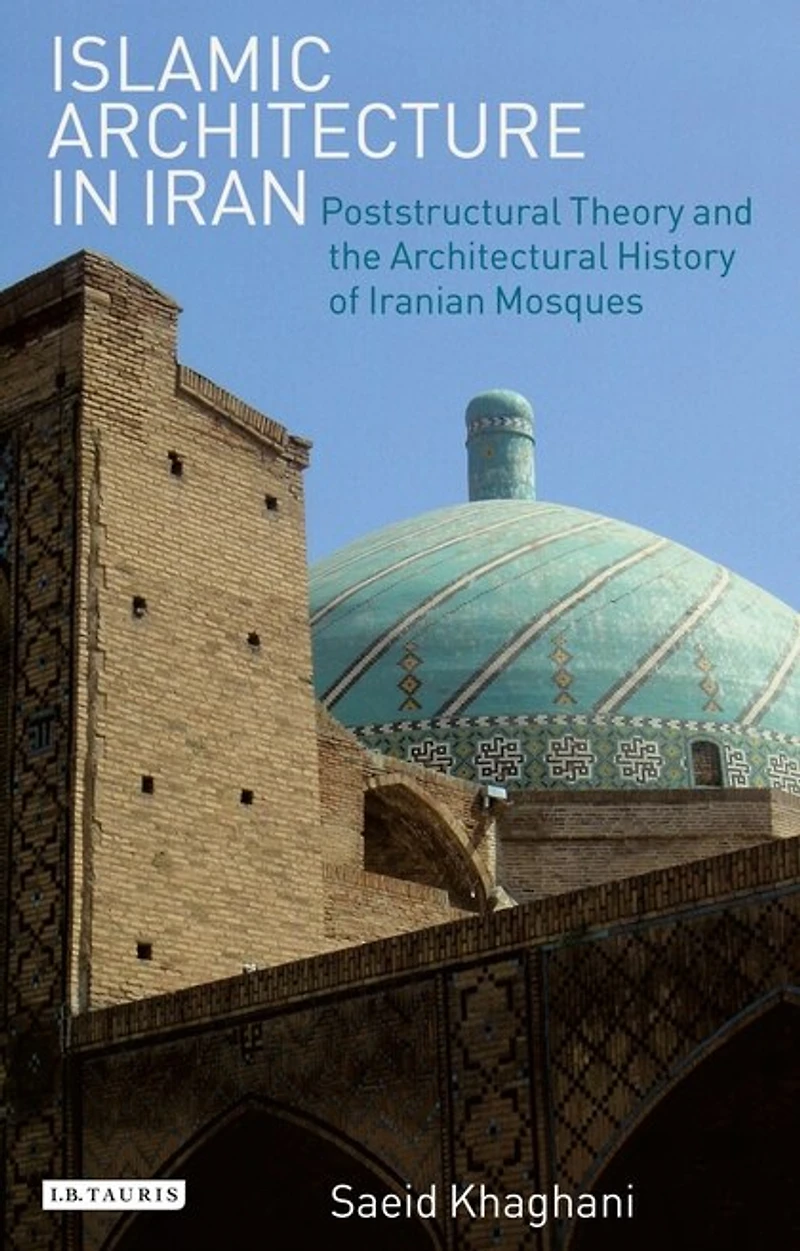
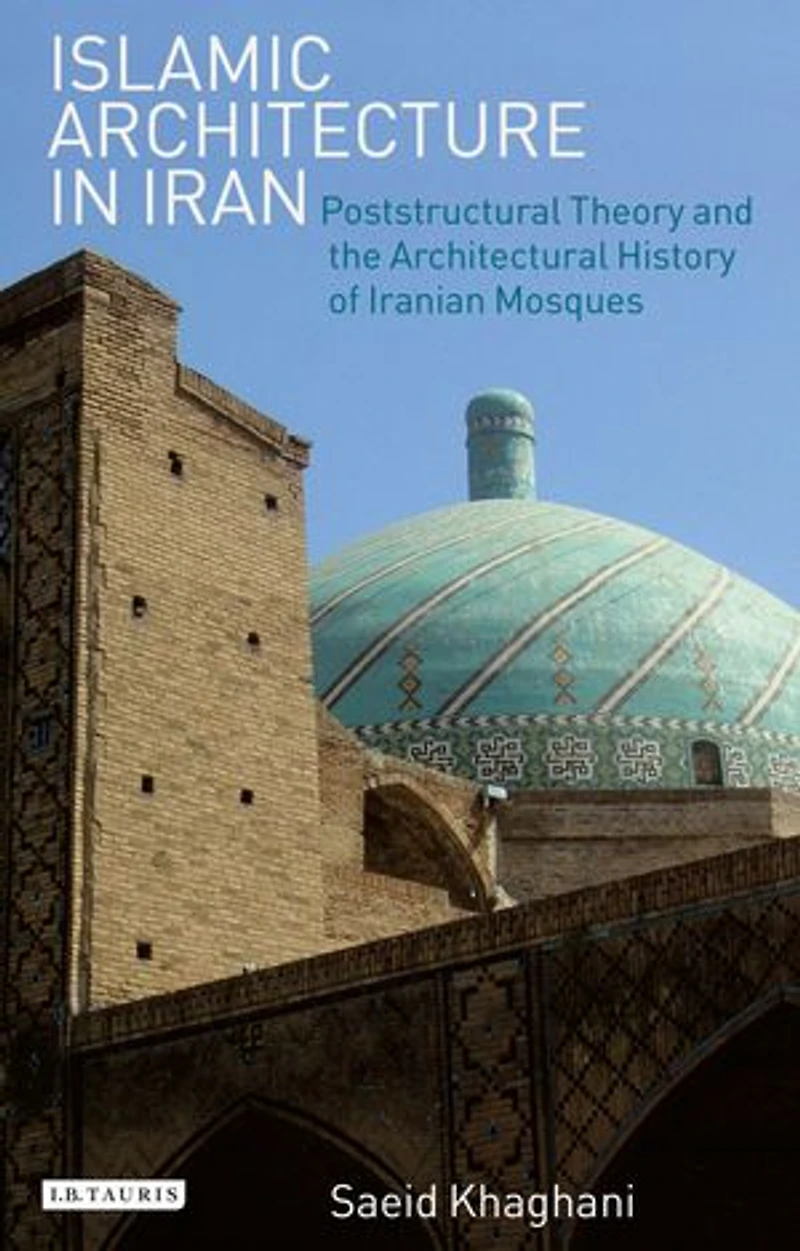
Islamic Architecture Iran: Poststructural Theory and the Architectural History of Iranian Mosques in Grande Prairie, AB
Current price: $255.50
Coles
Islamic Architecture Iran: Poststructural Theory and the Architectural History of Iranian Mosques in Grande Prairie, AB
Current price: $255.50
Loading Inventory...
Size: Hardcover
*Product information and pricing may vary - to confirm current pricing, availability, shipping, and return information please contact Coles. In the event of a pricing discrepancy, the retailer's price will apply.
The architecture of the Islamic world is predominantly considered in terms of a dual division between 'tradition' and 'modernity' - a division which, Saeid Khaghani here argues, has shaped and limited the narrative applied to this architecture. Khaghani introduces and reconsiders the mosques of eighth- to fifteenth-century Iran in terms of poststructural theory and developments in historiography in order to develop a brand new dialectical framework. Using the examples of mosques such as the Friday Mosques in Isfahan and Yazd as well as the Imam mosque in Isfahan, Khaghani presents a new way of thinking about and discussing Islamic architecture, making this valuable reading for all interested in the study of the art, architecture and material culture of the Islamic world.
The architecture of the Islamic world is predominantly considered in terms of a dual division between 'tradition' and 'modernity' - a division which, Saeid Khaghani here argues, has shaped and limited the narrative applied to this architecture. Khaghani introduces and reconsiders the mosques of eighth- to fifteenth-century Iran in terms of poststructural theory and developments in historiography in order to develop a brand new dialectical framework. Using the examples of mosques such as the Friday Mosques in Isfahan and Yazd as well as the Imam mosque in Isfahan, Khaghani presents a new way of thinking about and discussing Islamic architecture, making this valuable reading for all interested in the study of the art, architecture and material culture of the Islamic world.
You May Also Like








Find at Prairie Mall in Grande Prairie, AB
Visit at Prairie Mall in Grande Prairie, AB