


Gifting Made Simple
Give the Gift of ChoiceClick below to purchase a Prairie Mall eGift Card that can be used at participating retailers at Prairie Mall.Buy Gift CardHome
Ireland’s Gramophones: Material Culture, Memory, and Trauma Irish Modernism
Coles
Loading Inventory...
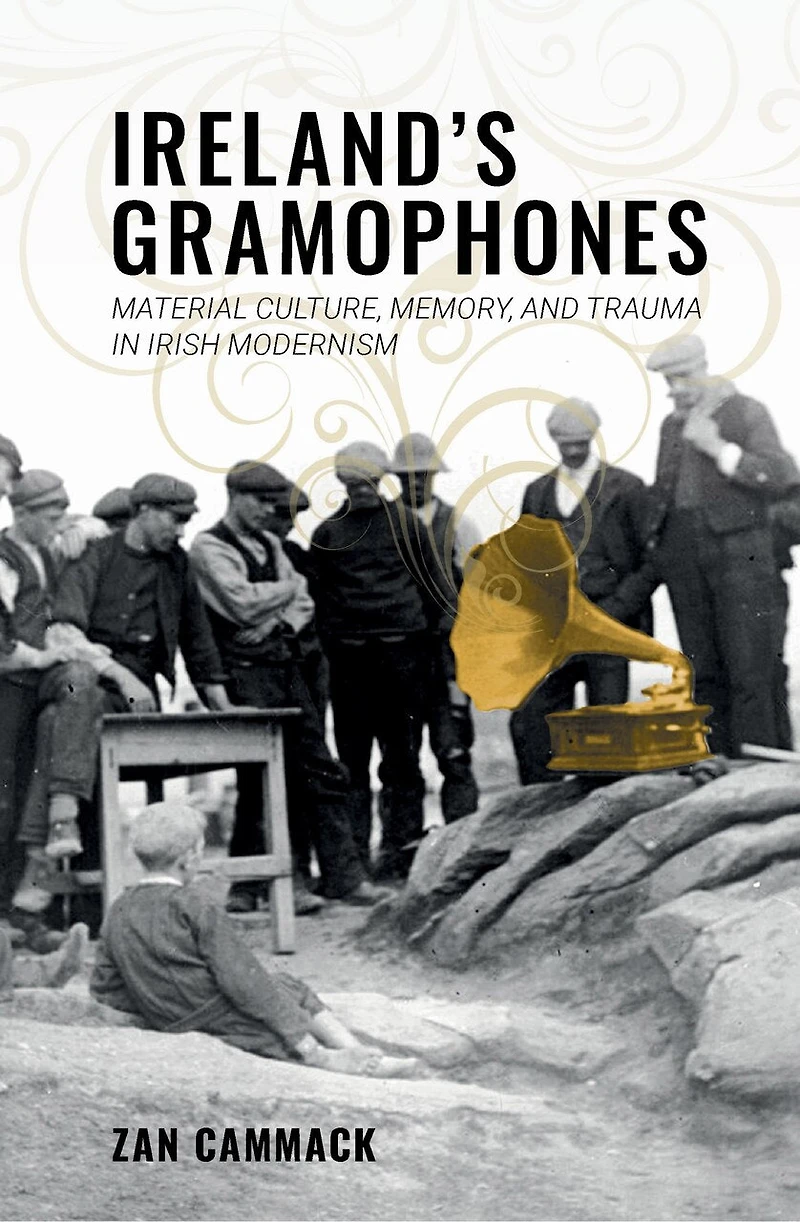
Ireland’s Gramophones: Material Culture, Memory, and Trauma Irish Modernism in Grande Prairie, AB
Current price: $216.95
Coles
Ireland’s Gramophones: Material Culture, Memory, and Trauma Irish Modernism in Grande Prairie, AB
Current price: $216.95
Loading Inventory...
Size: Hardcover
*Product information and pricing may vary - to confirm current pricing, availability, shipping, and return information please contact Coles. In the event of a pricing discrepancy, the retailer's price will apply.
Because gramophonic technology grew up alongside Ireland’s progressively more outspoken and violent struggles for political autonomy and national stability, Irish Modernism inherently links the gramophone to representations of these dramatic cultural upheavals. Many key works of Irish literary modernism—like those by James Joyce, Elizabeth Bowen, and Sean O’Casey—depend upon the gramophone for their ability to record Irish cultural traumas both symbolically and literally during one of the country’s most fraught developmental eras. In each work the gramophone testifies of its own complexity as a physical object and its multiform value in the artistic development of textual material. In each work, too, the object seems virtually self-placed—less an aesthetic device than a “thing” belonging primordially to the text. The machine is also often an agent and counterpart to literary characters. Thus, the gramophone points to a deeper connection between object and culture than we perceive if we consider it as only an image, enhancement, or instrument. This book examines the gramophone as an object that refuses to remain in the background of scenes in which it appears, forcing us to confront its mnemonic heritage during a period of Irish history burdened with political and cultural turbulence.
Because gramophonic technology grew up alongside Ireland’s progressively more outspoken and violent struggles for political autonomy and national stability, Irish Modernism inherently links the gramophone to representations of these dramatic cultural upheavals. Many key works of Irish literary modernism—like those by James Joyce, Elizabeth Bowen, and Sean O’Casey—depend upon the gramophone for their ability to record Irish cultural traumas both symbolically and literally during one of the country’s most fraught developmental eras. In each work the gramophone testifies of its own complexity as a physical object and its multiform value in the artistic development of textual material. In each work, too, the object seems virtually self-placed—less an aesthetic device than a “thing” belonging primordially to the text. The machine is also often an agent and counterpart to literary characters. Thus, the gramophone points to a deeper connection between object and culture than we perceive if we consider it as only an image, enhancement, or instrument. This book examines the gramophone as an object that refuses to remain in the background of scenes in which it appears, forcing us to confront its mnemonic heritage during a period of Irish history burdened with political and cultural turbulence.
You May Also Like










Find at Prairie Mall in Grande Prairie, AB
Visit at Prairie Mall in Grande Prairie, AB