


Gifting Made Simple
Give the Gift of ChoiceClick below to purchase a Prairie Mall eGift Card that can be used at participating retailers at Prairie Mall.Buy Gift CardHome
Iran at War: Interactions with the Modern World and the Struggle with Imperial Russia
Coles
Loading Inventory...
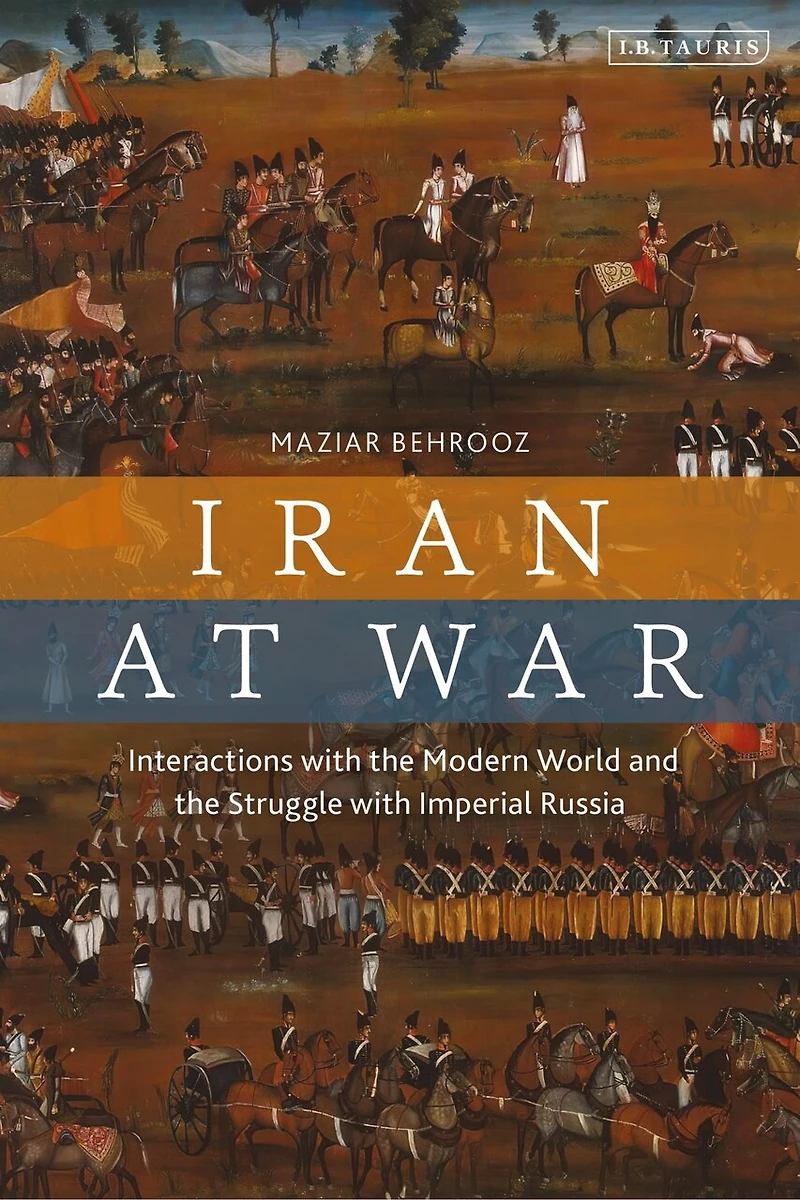
Iran at War: Interactions with the Modern World and the Struggle with Imperial Russia in Grande Prairie, AB
Current price: $138.95
Coles
Iran at War: Interactions with the Modern World and the Struggle with Imperial Russia in Grande Prairie, AB
Current price: $138.95
Loading Inventory...
Size: Hardcover
*Product information and pricing may vary - to confirm current pricing, availability, shipping, and return information please contact Coles. In the event of a pricing discrepancy, the retailer's price will apply.
After the destructive decades following the fall of the Safavid Empire, the Qajar dynasty inherited a weakened state and the growing threat of European imperial powers, culminating in two wars with Russia. In this book, Maziar Behrooz provides a history of the Qajar dynasty's navigation of this difficult period, beginning with the reign of Aqa Muhammad Shah and ending with that of Fath Ali Shah. Examining the key decisions taken by Qajar, Russian, British and other actors, the book argues that a reevaluation of the early-Qajar period is required, one which acknowledges the failures of its rulers, while recognising the external constraints they were under, and their successes in reuniting a formerly fragmented state in the face of overwhelming technological, economic and military firepower.
After the destructive decades following the fall of the Safavid Empire, the Qajar dynasty inherited a weakened state and the growing threat of European imperial powers, culminating in two wars with Russia. In this book, Maziar Behrooz provides a history of the Qajar dynasty's navigation of this difficult period, beginning with the reign of Aqa Muhammad Shah and ending with that of Fath Ali Shah. Examining the key decisions taken by Qajar, Russian, British and other actors, the book argues that a reevaluation of the early-Qajar period is required, one which acknowledges the failures of its rulers, while recognising the external constraints they were under, and their successes in reuniting a formerly fragmented state in the face of overwhelming technological, economic and military firepower.
You May Also Like










Find at Prairie Mall in Grande Prairie, AB
Visit at Prairie Mall in Grande Prairie, AB