


Gifting Made Simple
Give the Gift of ChoiceClick below to purchase a Prairie Mall eGift Card that can be used at participating retailers at Prairie Mall.Buy Gift CardHome
Inward Looking: the Impact of Migration on Romanipe from Romani Perspective
Coles
Loading Inventory...
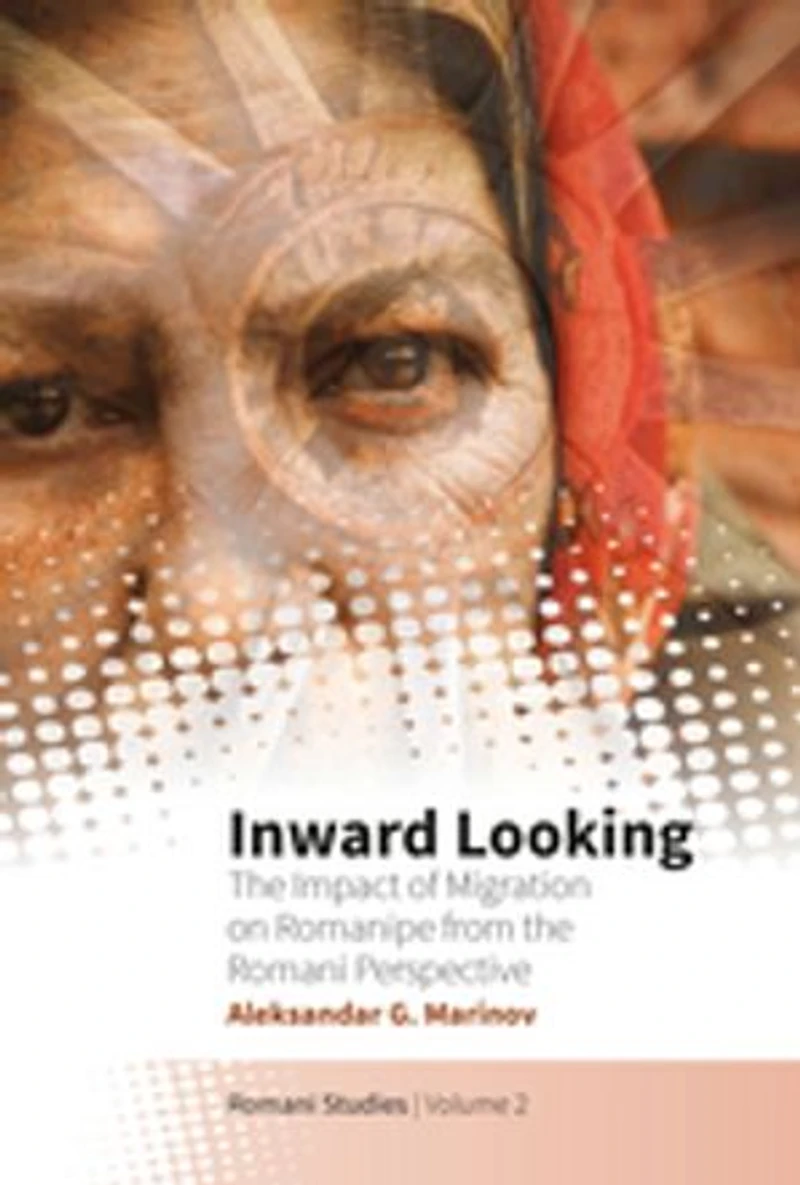
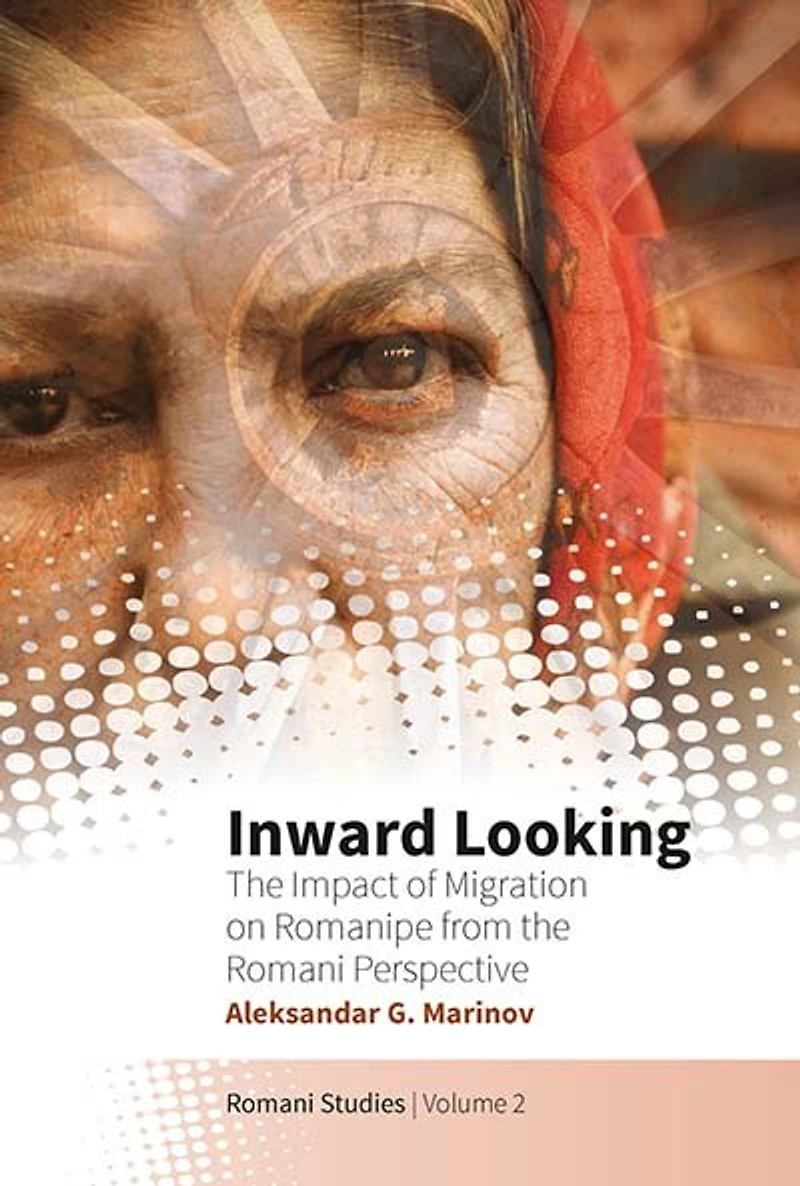
Inward Looking: the Impact of Migration on Romanipe from Romani Perspective in Grande Prairie, AB
Current price: $27.09
Original price: $33.86
Coles
Inward Looking: the Impact of Migration on Romanipe from Romani Perspective in Grande Prairie, AB
Current price: $27.09
Original price: $33.86
Loading Inventory...
Size: Kobo eBook
*Product information and pricing may vary - to confirm current pricing, availability, shipping, and return information please contact Coles. In the event of a pricing discrepancy, the retailer's price will apply.
At present, Roma are an integral part of Europe, though they face structural and social inequalities and different forms of exclusion and discrimination. Inward Looking seeks to understand the relationship between Romani identity, performance and migration. Particularly, it studies the idea of ‘Romanipe’ through the prism of the personal accounts of Romani migrants. It also seeks to understand the relationships between the Romani groups in Europe, due to their increased travel and convergence, and predict the effects of migration on (new) Romani consciousness. The findings are based on qualitative data gathered from Romani migrants from three towns in Bulgaria.
At present, Roma are an integral part of Europe, though they face structural and social inequalities and different forms of exclusion and discrimination. Inward Looking seeks to understand the relationship between Romani identity, performance and migration. Particularly, it studies the idea of ‘Romanipe’ through the prism of the personal accounts of Romani migrants. It also seeks to understand the relationships between the Romani groups in Europe, due to their increased travel and convergence, and predict the effects of migration on (new) Romani consciousness. The findings are based on qualitative data gathered from Romani migrants from three towns in Bulgaria.
You May Also Like











Find at Prairie Mall in Grande Prairie, AB
Visit at Prairie Mall in Grande Prairie, AB