


Gifting Made Simple
Give the Gift of ChoiceClick below to purchase a Prairie Mall eGift Card that can be used at participating retailers at Prairie Mall.Buy Gift CardHome
Invisible Hosts: Performing the Nineteenth-Century Spirit Medium's Autobiography
Coles
Loading Inventory...
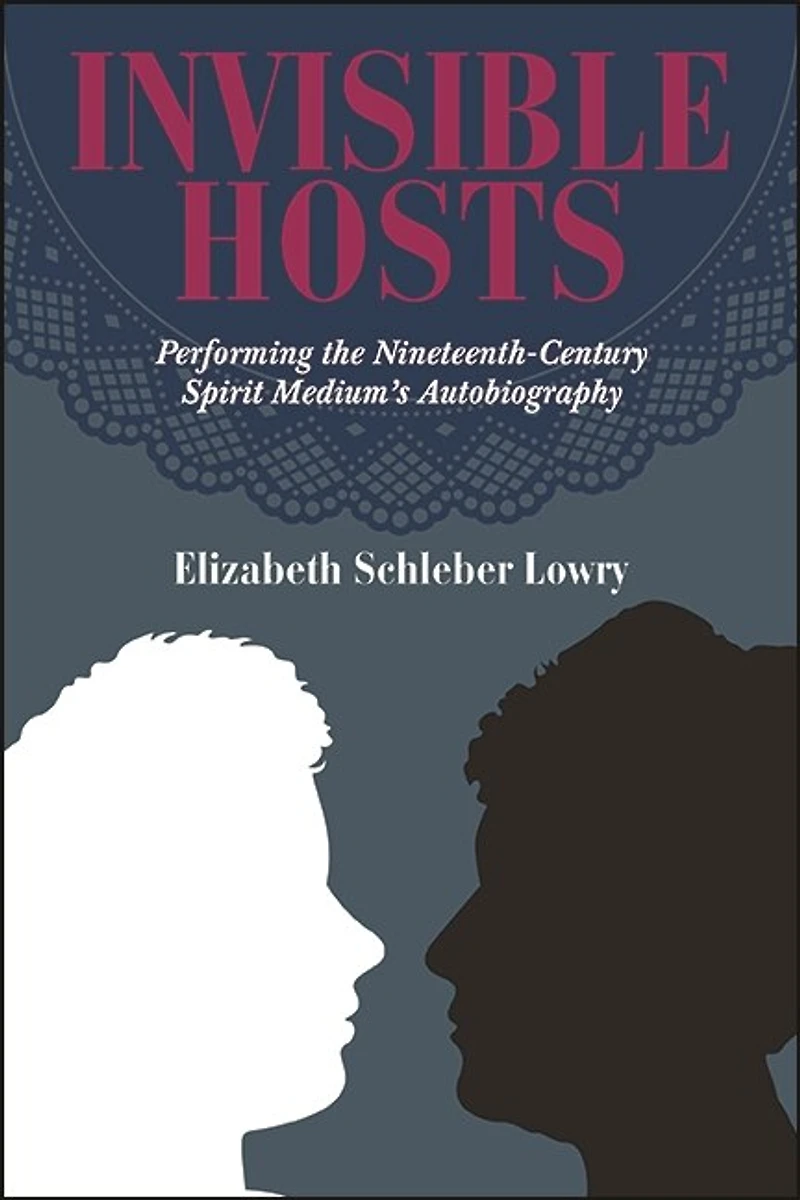
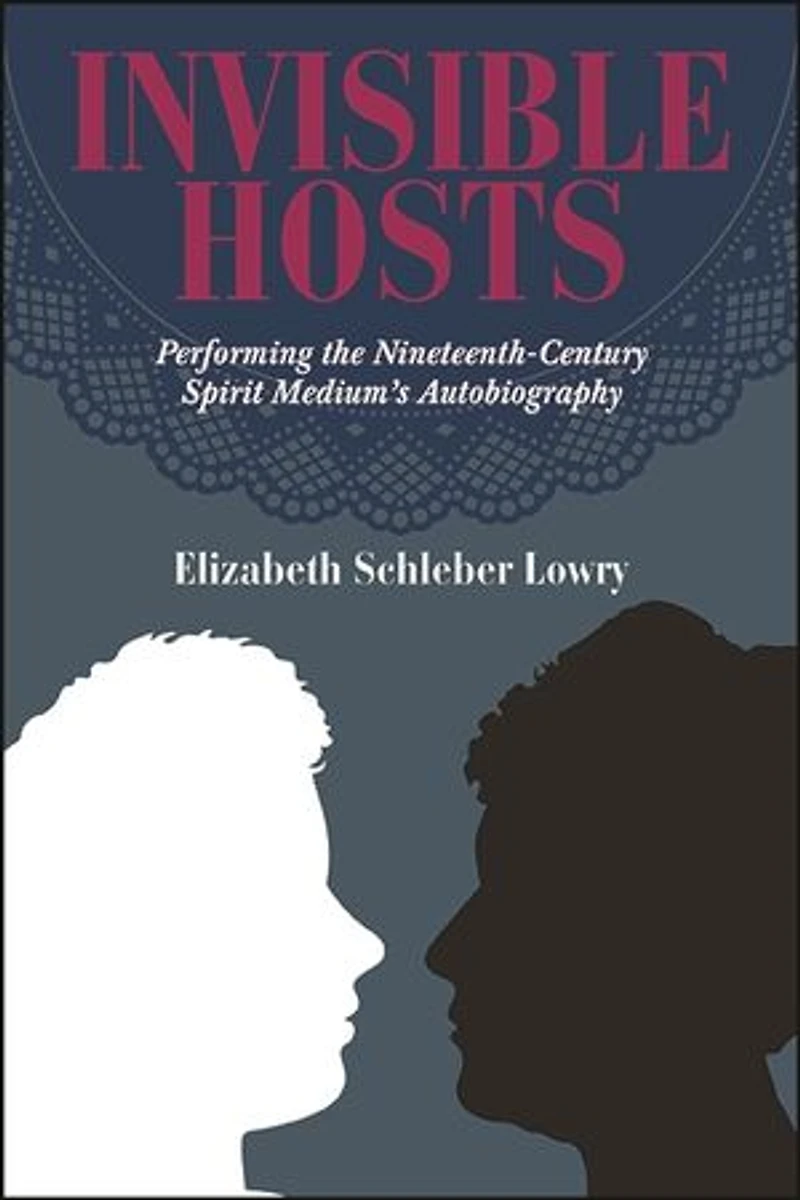
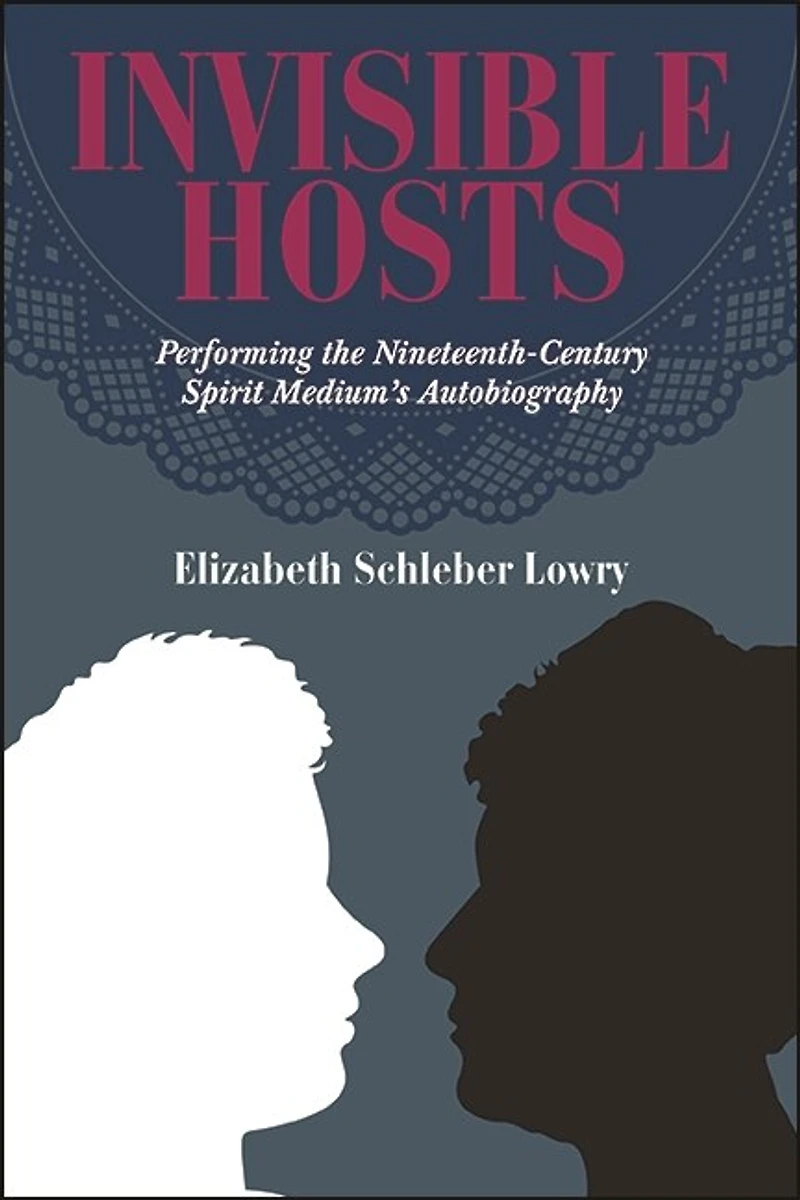
Invisible Hosts: Performing the Nineteenth-Century Spirit Medium's Autobiography in Grande Prairie, AB
Current price: $135.95
Coles
Invisible Hosts: Performing the Nineteenth-Century Spirit Medium's Autobiography in Grande Prairie, AB
Current price: $135.95
Loading Inventory...
Size: Hardcover
*Product information and pricing may vary - to confirm current pricing, availability, shipping, and return information please contact Coles. In the event of a pricing discrepancy, the retailer's price will apply.
explores how the central tenets of Spiritualism influenced ways in which women conceived of their bodies and their civic responsibilities, arguing that Spiritualist ideologies helped to lay the foundation for the social and political advances made by women in the late nineteenth and early twentieth centuries. As public figures, female spirit mediums of the Victorian era were often accused of unfeminine (and therefore transgressive) behavior. A rhetorical analysis of nineteenth-century spirit mediums' autobiographies reveals how these women convinced readers of their authenticity both as respectable women and as psychics. The author argues that these women's autobiographies reflect an attempt to emulate feminine virtues even as their interpretation and performance of these virtues helped to transform prevailing gender stereotypes. She demonstrates that the social performance central to the production of women's autobiography is uniquely complicated by Spiritualist ideology. Such complications reveal new information about how women represented themselves, gained agency, and renegotiated nineteenth-century gender roles.
explores how the central tenets of Spiritualism influenced ways in which women conceived of their bodies and their civic responsibilities, arguing that Spiritualist ideologies helped to lay the foundation for the social and political advances made by women in the late nineteenth and early twentieth centuries. As public figures, female spirit mediums of the Victorian era were often accused of unfeminine (and therefore transgressive) behavior. A rhetorical analysis of nineteenth-century spirit mediums' autobiographies reveals how these women convinced readers of their authenticity both as respectable women and as psychics. The author argues that these women's autobiographies reflect an attempt to emulate feminine virtues even as their interpretation and performance of these virtues helped to transform prevailing gender stereotypes. She demonstrates that the social performance central to the production of women's autobiography is uniquely complicated by Spiritualist ideology. Such complications reveal new information about how women represented themselves, gained agency, and renegotiated nineteenth-century gender roles.
You May Also Like












Find at Prairie Mall in Grande Prairie, AB
Visit at Prairie Mall in Grande Prairie, AB