


Gifting Made Simple
Give the Gift of ChoiceClick below to purchase a Prairie Mall eGift Card that can be used at participating retailers at Prairie Mall.Buy Gift CardHome
Introduction to Health Research Methods: A Practical Guide
Coles
Loading Inventory...
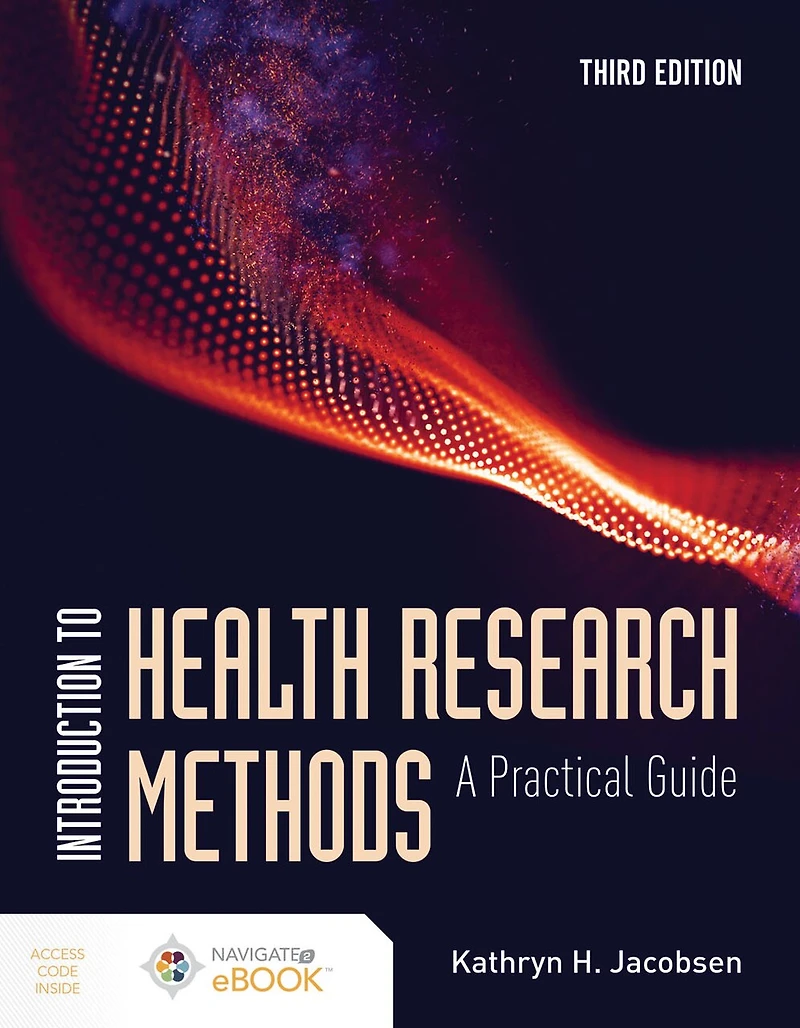
Introduction to Health Research Methods: A Practical Guide in Grande Prairie, AB
Current price: $127.50
Coles
Introduction to Health Research Methods: A Practical Guide in Grande Prairie, AB
Current price: $127.50
Loading Inventory...
Size: Paperback
*Product information and pricing may vary - to confirm current pricing, availability, shipping, and return information please contact Coles. In the event of a pricing discrepancy, the retailer's price will apply.
Designed to empower new investigators to conduct their own original research projects, the third edition of Introduction to Health Research Methods: A Practical Guide leads the reader step-by-step in performing quantitative and qualitative research in medicine, public health, and other clinical and population health fields. Organized in five sections, the text covers the entire research process from formulating a study question and selecting a study approach to collecting and analyzing data and then disseminating the findings. Chapters about methods for primary studies (collecting new data), secondary analyses (analyzing existing data), and tertiary studies (conducting literature reviews and meta-analyses) provide comprehensive coverage of the scope of health research. By breaking the research process down into a series of achievable steps, Introduction to Health Research Methods shows students and early career scholars how they can contribute to improving the health of individuals and communities through research. The Third Edition has been significantly updated to include: - Expanded coverage of qualitative research methods, including new chapters on qualitative study design, data collection, and data analysis. - Additional glossary terms that clarify key terminology for all stages of the research process and a diversity of study approaches. - Enhanced explanations of how to select and implement quantitative and qualitative research and analysis methodologies. - New and updated coverage of topics such as framing research questions, developing testable hypotheses, defining specific aims, responsibly conducting research, selecting study designs, minimizing bias, applying theoretical paradigms, ensuring rigor and reproducibility, conducting quality assessment, managing grants, and more.
Designed to empower new investigators to conduct their own original research projects, the third edition of Introduction to Health Research Methods: A Practical Guide leads the reader step-by-step in performing quantitative and qualitative research in medicine, public health, and other clinical and population health fields. Organized in five sections, the text covers the entire research process from formulating a study question and selecting a study approach to collecting and analyzing data and then disseminating the findings. Chapters about methods for primary studies (collecting new data), secondary analyses (analyzing existing data), and tertiary studies (conducting literature reviews and meta-analyses) provide comprehensive coverage of the scope of health research. By breaking the research process down into a series of achievable steps, Introduction to Health Research Methods shows students and early career scholars how they can contribute to improving the health of individuals and communities through research. The Third Edition has been significantly updated to include: - Expanded coverage of qualitative research methods, including new chapters on qualitative study design, data collection, and data analysis. - Additional glossary terms that clarify key terminology for all stages of the research process and a diversity of study approaches. - Enhanced explanations of how to select and implement quantitative and qualitative research and analysis methodologies. - New and updated coverage of topics such as framing research questions, developing testable hypotheses, defining specific aims, responsibly conducting research, selecting study designs, minimizing bias, applying theoretical paradigms, ensuring rigor and reproducibility, conducting quality assessment, managing grants, and more.
You May Also Like












Find at Prairie Mall in Grande Prairie, AB
Visit at Prairie Mall in Grande Prairie, AB