


Gifting Made Simple
Give the Gift of ChoiceClick below to purchase a Prairie Mall eGift Card that can be used at participating retailers at Prairie Mall.Buy Gift CardHome
International Organization The Anarchical Society: Institutional Structure of World Order
Coles
Loading Inventory...
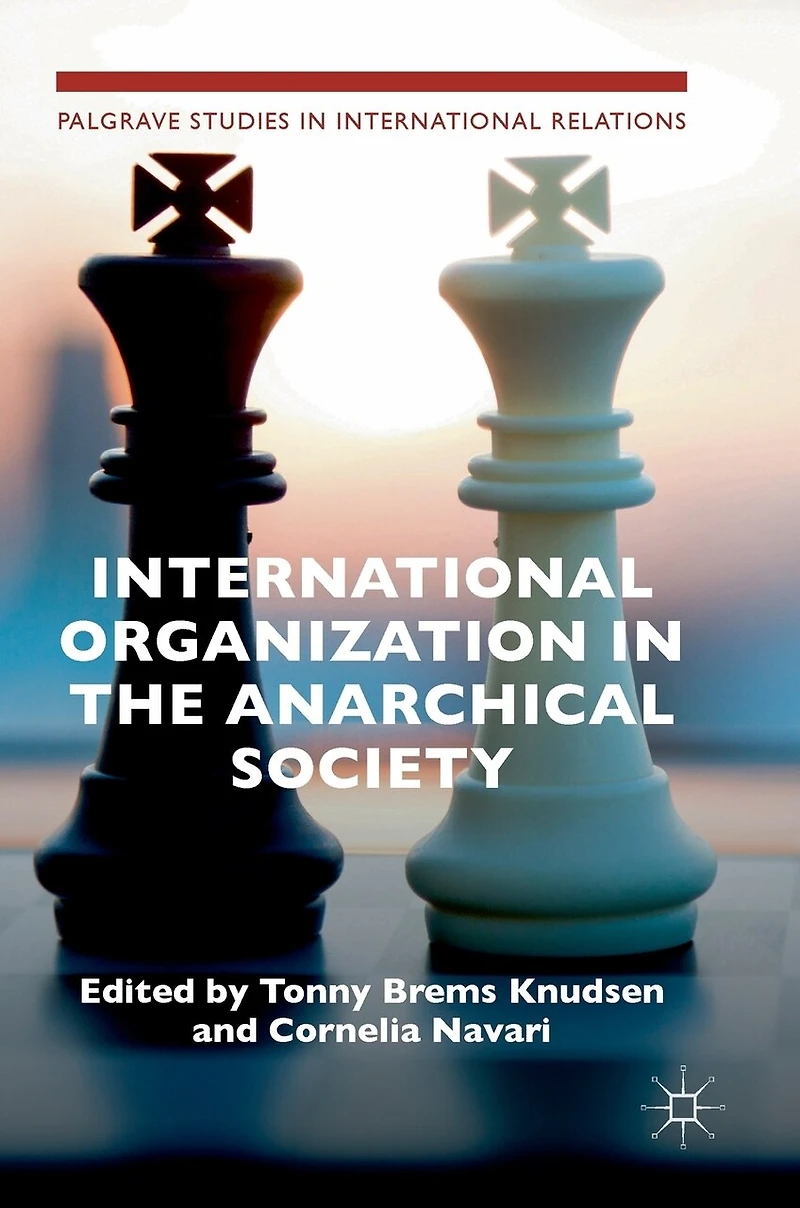
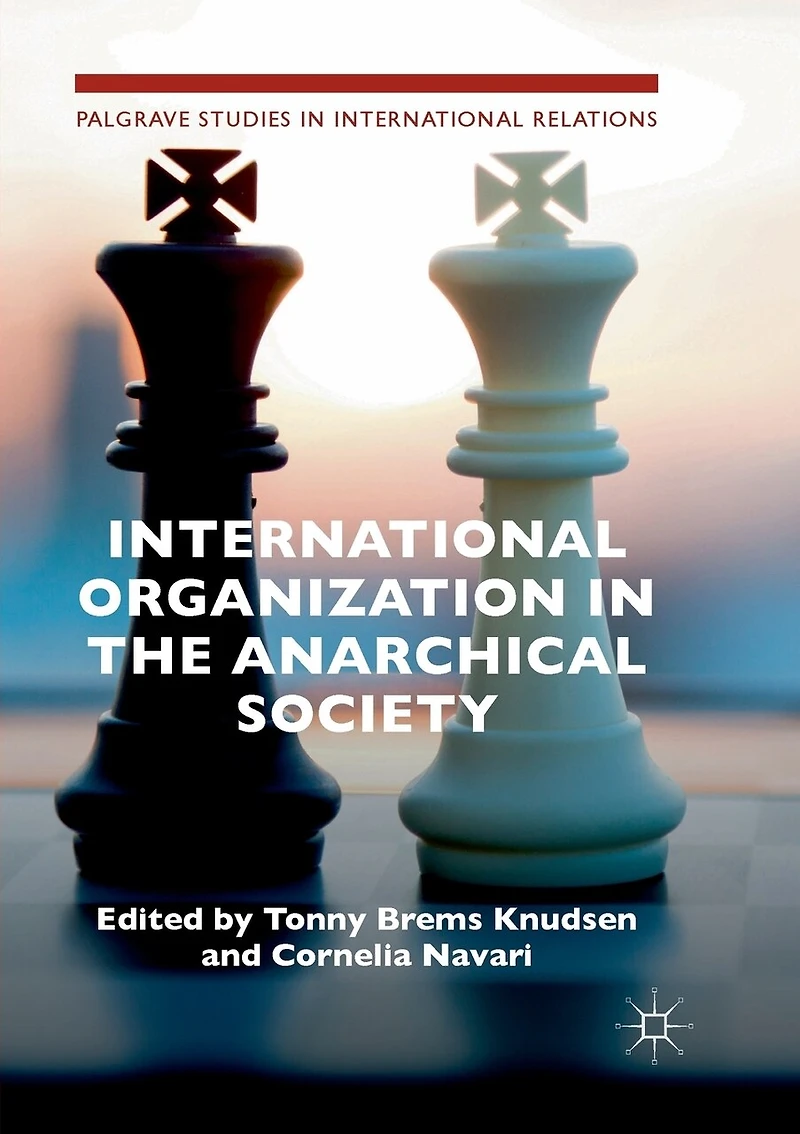
International Organization The Anarchical Society: Institutional Structure of World Order in Grande Prairie, AB
Current price: $321.50
Coles
International Organization The Anarchical Society: Institutional Structure of World Order in Grande Prairie, AB
Current price: $321.50
Loading Inventory...
Size: Hardcover
*Product information and pricing may vary - to confirm current pricing, availability, shipping, and return information please contact Coles. In the event of a pricing discrepancy, the retailer's price will apply.
This book takes up one of the key theoretical challenges in the English School's conceptual framework, namely the nature of the institutions of international society. It theorizes their nature through an analysis of the relationship of primary and secondary levels of institutional formation, so far largely ignored in English School theorizing, and provides case studies to illuminate the theory. Hitherto, the School has largely failed to study secondary institutions such as international organizations and regimes as autonomous objects of analysis, seeing them as mere materializations of primary institutions. Building on legal and constructivist arguments about the constitutive character of institutions, it demonstrates how primary institutions frame secondary organizations and regimes, but also how secondary institutions construct agencies with capacities that impinge upon and can change primary institutions. Based on legal and constructivist ideas, it develops a theoretical model thatsees primary and secondary institutions as shared understandings enmeshed in observable historical processes of constitution, reproduction and regulation.
This book takes up one of the key theoretical challenges in the English School's conceptual framework, namely the nature of the institutions of international society. It theorizes their nature through an analysis of the relationship of primary and secondary levels of institutional formation, so far largely ignored in English School theorizing, and provides case studies to illuminate the theory. Hitherto, the School has largely failed to study secondary institutions such as international organizations and regimes as autonomous objects of analysis, seeing them as mere materializations of primary institutions. Building on legal and constructivist arguments about the constitutive character of institutions, it demonstrates how primary institutions frame secondary organizations and regimes, but also how secondary institutions construct agencies with capacities that impinge upon and can change primary institutions. Based on legal and constructivist ideas, it develops a theoretical model thatsees primary and secondary institutions as shared understandings enmeshed in observable historical processes of constitution, reproduction and regulation.
You May Also Like












Find at Prairie Mall in Grande Prairie, AB
Visit at Prairie Mall in Grande Prairie, AB