


Gifting Made Simple
Give the Gift of ChoiceClick below to purchase a Prairie Mall eGift Card that can be used at participating retailers at Prairie Mall.Buy Gift CardHome
International Investment Law and Legal Theory: Expropriation the Fragmentation of Sources
Coles
Loading Inventory...
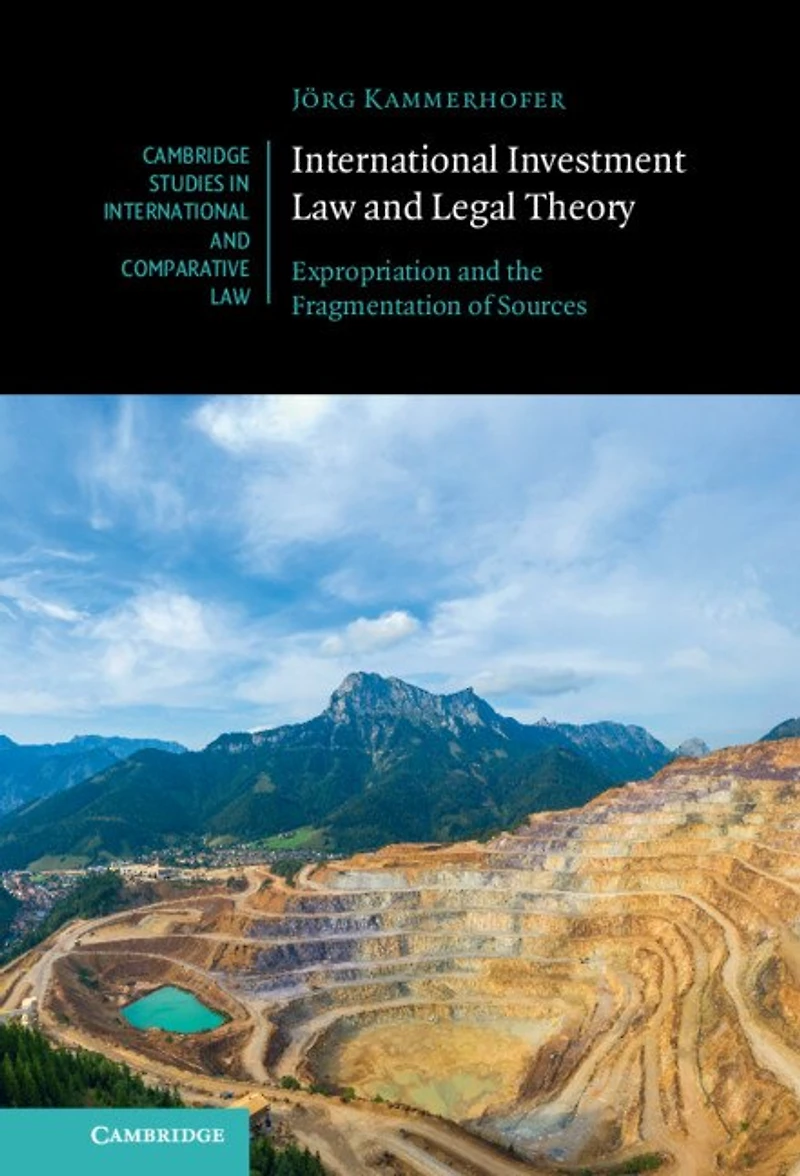
International Investment Law and Legal Theory: Expropriation the Fragmentation of Sources in Grande Prairie, AB
Current price: $177.95
Coles
International Investment Law and Legal Theory: Expropriation the Fragmentation of Sources in Grande Prairie, AB
Current price: $177.95
Loading Inventory...
Size: Hardcover
*Product information and pricing may vary - to confirm current pricing, availability, shipping, and return information please contact Coles. In the event of a pricing discrepancy, the retailer's price will apply.
Expropriation is a hotly debated issue in international investment law. This is the first study to provide a detailed analysis of its norm-theoretical dimension, setting out the theoretical foundations underlying its understanding in contemporary legal scholarship and practice. Jörg Kammerhofer combines a doctrinal discussion with a theoretical analysis of the structure of the law in this area, undertaking a novel approach that critically re-evaluates existing case-law and writings. His approach critiques the arguments for a single expropriation norm based on custom, interpretation and arbitral precedents within international investment law, drawing also on generalist international legal thought, to show that both cosmopolitan and sovereigntist arguments are largely political, not legal. This innovative work will help scholars to understand the application of theory to investment law and help specialists in the field to improve their arguments.
Expropriation is a hotly debated issue in international investment law. This is the first study to provide a detailed analysis of its norm-theoretical dimension, setting out the theoretical foundations underlying its understanding in contemporary legal scholarship and practice. Jörg Kammerhofer combines a doctrinal discussion with a theoretical analysis of the structure of the law in this area, undertaking a novel approach that critically re-evaluates existing case-law and writings. His approach critiques the arguments for a single expropriation norm based on custom, interpretation and arbitral precedents within international investment law, drawing also on generalist international legal thought, to show that both cosmopolitan and sovereigntist arguments are largely political, not legal. This innovative work will help scholars to understand the application of theory to investment law and help specialists in the field to improve their arguments.
You May Also Like










Find at Prairie Mall in Grande Prairie, AB
Visit at Prairie Mall in Grande Prairie, AB