


Gifting Made Simple
Give the Gift of ChoiceClick below to purchase a Prairie Mall eGift Card that can be used at participating retailers at Prairie Mall.Buy Gift CardHome
International Dimensions of Authoritarian Persistence: Lessons from Post-Soviet States
Coles
Loading Inventory...
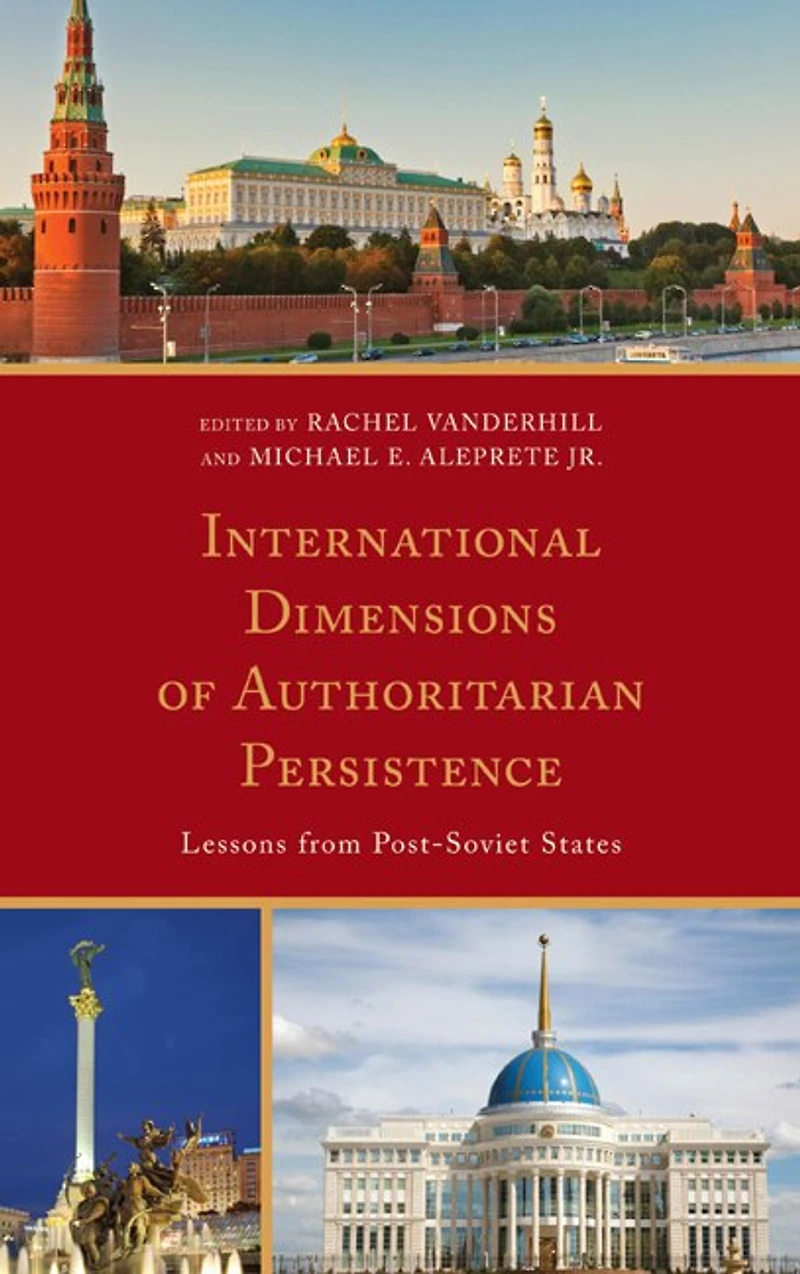
International Dimensions of Authoritarian Persistence: Lessons from Post-Soviet States in Grande Prairie, AB
Current price: $142.00
Coles
International Dimensions of Authoritarian Persistence: Lessons from Post-Soviet States in Grande Prairie, AB
Current price: $142.00
Loading Inventory...
Size: Hardcover
*Product information and pricing may vary - to confirm current pricing, availability, shipping, and return information please contact Coles. In the event of a pricing discrepancy, the retailer's price will apply.
While the international system has been evolving in an increasingly liberal direction, the level of democratic practice within the post-Soviet region has, on the whole, declined. Two decades after the popular uprisings against communism, many governments in the region have successfully blunted both popular and international pressures for democratic consolidation. Each selection in this volume explores how international factors interact with domestic conditions to explain the persistence of authoritarianism throughout the region. The selections in the volume cover several countries, including Azerbaijan, Kazakhstan, Uzbekistan, South Ossetia, Ukraine, Moldova, and Belarus; special attention is paid to the Russian Federation since it is both a member of the region and acts as an external actor influencing the political development of its neighbors. This volume is especially relevant as the world again experiences the surprising overthrow of long-running authoritarian regimes. The failure of democratic consolidation among post-Soviet states offers important lessons for policymakers and academics dealing with the recent wave of political transitions in the Middle East and Asia.
While the international system has been evolving in an increasingly liberal direction, the level of democratic practice within the post-Soviet region has, on the whole, declined. Two decades after the popular uprisings against communism, many governments in the region have successfully blunted both popular and international pressures for democratic consolidation. Each selection in this volume explores how international factors interact with domestic conditions to explain the persistence of authoritarianism throughout the region. The selections in the volume cover several countries, including Azerbaijan, Kazakhstan, Uzbekistan, South Ossetia, Ukraine, Moldova, and Belarus; special attention is paid to the Russian Federation since it is both a member of the region and acts as an external actor influencing the political development of its neighbors. This volume is especially relevant as the world again experiences the surprising overthrow of long-running authoritarian regimes. The failure of democratic consolidation among post-Soviet states offers important lessons for policymakers and academics dealing with the recent wave of political transitions in the Middle East and Asia.
You May Also Like











Find at Prairie Mall in Grande Prairie, AB
Visit at Prairie Mall in Grande Prairie, AB