


Gifting Made Simple
Give the Gift of ChoiceClick below to purchase a Prairie Mall eGift Card that can be used at participating retailers at Prairie Mall.Buy Gift CardHome
Interactive and Sculptural Printmaking in the Renaissance
Coles
Loading Inventory...
Interactive and Sculptural Printmaking in the Renaissance in Grande Prairie, AB
Current price: $290.99
Coles
Interactive and Sculptural Printmaking in the Renaissance in Grande Prairie, AB
Current price: $290.99
Loading Inventory...
Size: Hardcover
*Product information and pricing may vary - to confirm current pricing, availability, shipping, and return information please contact Coles. In the event of a pricing discrepancy, the retailer's price will apply.
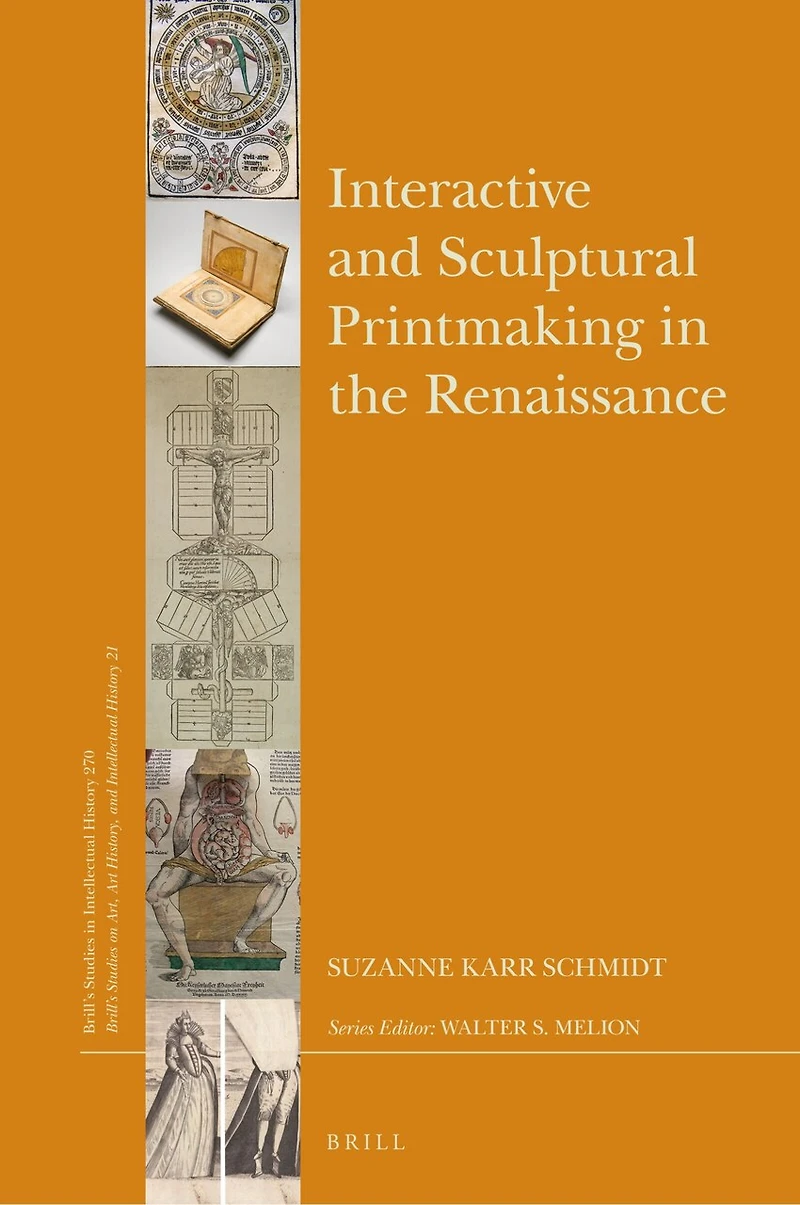
Suzanne Karr Schmidt's Interactive and Sculptural Printmaking in the Renaissance tells the story of a hands-on genre of prints: how innovative paper engineering redefined the relationship of early modern viewers to art, humanism, and science.
Interactive and sculptural prints pervaded the European reading market of the sixteenth and seventeenth centuries. Single sheets and book illustrations featured movable flaps and dials, and functioned as kits to build three-dimensional scientific instruments. These hybrid constructions—part text, part image, and part sculpture—engaged readers; so did the polemical, satirical, and, occasionally, erotic content. By manipulating dials and flaps, or building and using the instruments, viewers learned to think through images as well as words, interacting visually with desires, social critique, and knowledge itself.
Suzanne Karr Schmidt's Interactive and Sculptural Printmaking in the Renaissance tells the story of a hands-on genre of prints: how innovative paper engineering redefined the relationship of early modern viewers to art, humanism, and science.
Interactive and sculptural prints pervaded the European reading market of the sixteenth and seventeenth centuries. Single sheets and book illustrations featured movable flaps and dials, and functioned as kits to build three-dimensional scientific instruments. These hybrid constructions—part text, part image, and part sculpture—engaged readers; so did the polemical, satirical, and, occasionally, erotic content. By manipulating dials and flaps, or building and using the instruments, viewers learned to think through images as well as words, interacting visually with desires, social critique, and knowledge itself.
You May Also Like













Find at Prairie Mall in Grande Prairie, AB
Visit at Prairie Mall in Grande Prairie, AB