


Gifting Made Simple
Give the Gift of ChoiceClick below to purchase a Prairie Mall eGift Card that can be used at participating retailers at Prairie Mall.Buy Gift CardHome
Interactional Justice: The Role Of Emotions Performance Loyalty
Coles
Loading Inventory...

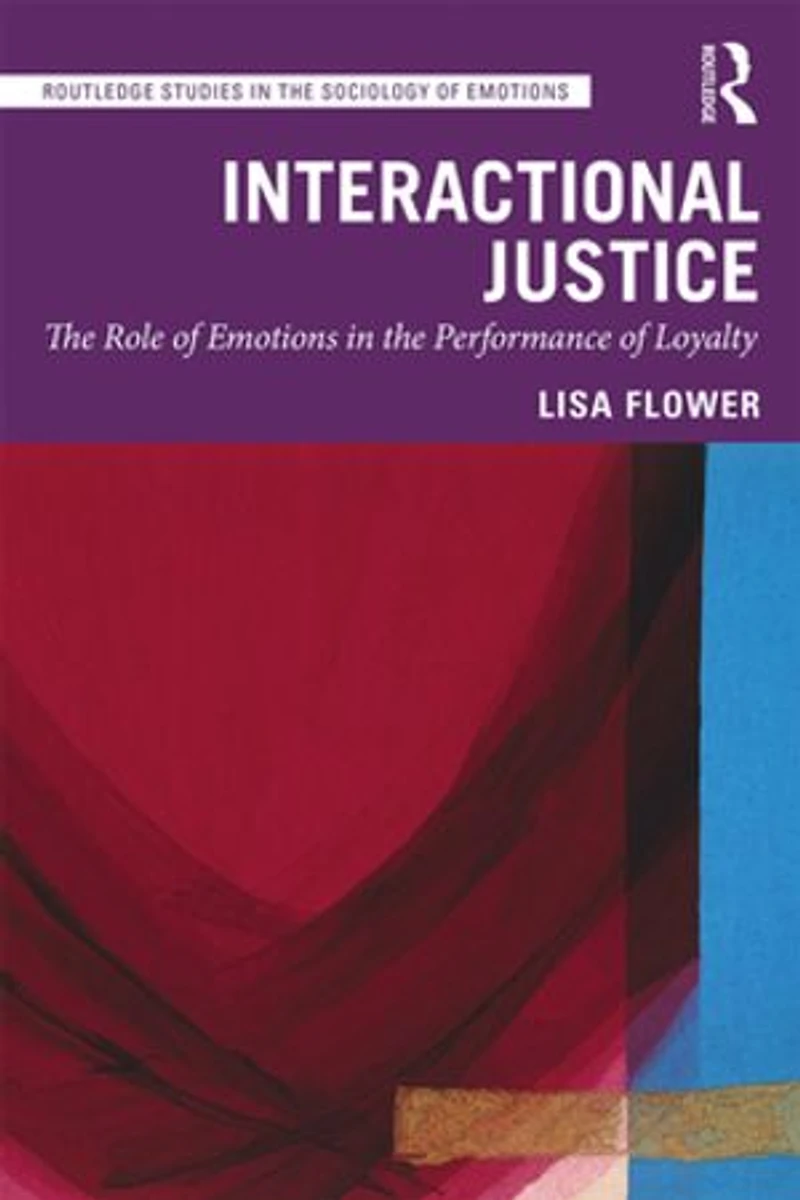
Interactional Justice: The Role Of Emotions Performance Loyalty in Grande Prairie, AB
Current price: $266.50
Coles
Interactional Justice: The Role Of Emotions Performance Loyalty in Grande Prairie, AB
Current price: $266.50
Loading Inventory...
Size: Hardcover
*Product information and pricing may vary - to confirm current pricing, availability, shipping, and return information please contact Coles. In the event of a pricing discrepancy, the retailer's price will apply.
Interactional Justice explores how defence lawyers accomplish their role in interaction with others and highlights the ways in which they do loyalty work - constructing and conveying loyalty in emotionally and interactionally constraining situations. By drawing on extensive ethnographic fieldnotes and interviews with lawyers, this sociological study brings their loyalty work to life and reveals to the reader the unwritten rules of emotional interactions. It presents how defence lawyers socially construct their duty of loyalty by negotiating informal and implicit professional and social expectations. This accomplishment demands emotion work and face work in order to perform a role which includes defending clients accused of heinous crimes and "losing" the majority of cases. As the defence team is central to this, the ways of doing teamwork are illustrated. Teamwork is also found to be essential between legal professionals to ensure that a criminal trial runs smoothly. All of this takes place within an overarching framework - the emotional regime of law - which aims to uphold the illusionary dichotomy between rationality and emotionality thus quietening the role of emotions. Loyalty and teamwork are features of many professions, workplaces, and aspects of social life making this book an essential tool for understanding strategies for their accomplishment. Focusing on courtroom emotions and interactions, the book suggests how trials can be made more user-friendly and provides guidance for newly qualified legal professionals. The use of ethnographic fieldnotes and interviews provides scholars and students in the social sciences, teaching, law, and medicine with a colourful monograph which reveals and explains emotion and interaction rules. It also makes this book a useful tool for teaching and understanding qualitative research methods.
Interactional Justice explores how defence lawyers accomplish their role in interaction with others and highlights the ways in which they do loyalty work - constructing and conveying loyalty in emotionally and interactionally constraining situations. By drawing on extensive ethnographic fieldnotes and interviews with lawyers, this sociological study brings their loyalty work to life and reveals to the reader the unwritten rules of emotional interactions. It presents how defence lawyers socially construct their duty of loyalty by negotiating informal and implicit professional and social expectations. This accomplishment demands emotion work and face work in order to perform a role which includes defending clients accused of heinous crimes and "losing" the majority of cases. As the defence team is central to this, the ways of doing teamwork are illustrated. Teamwork is also found to be essential between legal professionals to ensure that a criminal trial runs smoothly. All of this takes place within an overarching framework - the emotional regime of law - which aims to uphold the illusionary dichotomy between rationality and emotionality thus quietening the role of emotions. Loyalty and teamwork are features of many professions, workplaces, and aspects of social life making this book an essential tool for understanding strategies for their accomplishment. Focusing on courtroom emotions and interactions, the book suggests how trials can be made more user-friendly and provides guidance for newly qualified legal professionals. The use of ethnographic fieldnotes and interviews provides scholars and students in the social sciences, teaching, law, and medicine with a colourful monograph which reveals and explains emotion and interaction rules. It also makes this book a useful tool for teaching and understanding qualitative research methods.












Find at Prairie Mall in Grande Prairie, AB
Visit at Prairie Mall in Grande Prairie, AB