


Gifting Made Simple
Give the Gift of ChoiceClick below to purchase a Prairie Mall eGift Card that can be used at participating retailers at Prairie Mall.Buy Gift CardHome
Intelligent Fault Diagnosis and Prognosis For Industrial Systems: Cross-Domain, Zero-Sample, Degradation Modeling Methods
Coles
Loading Inventory...
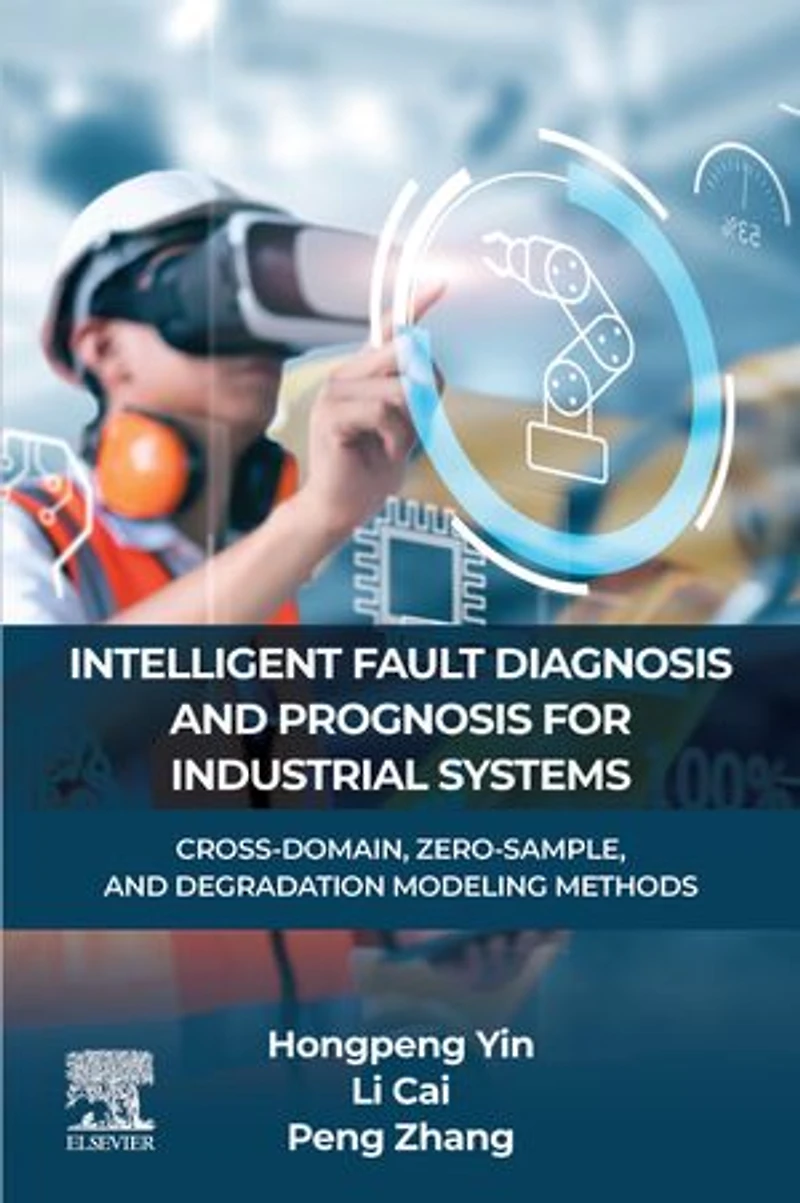
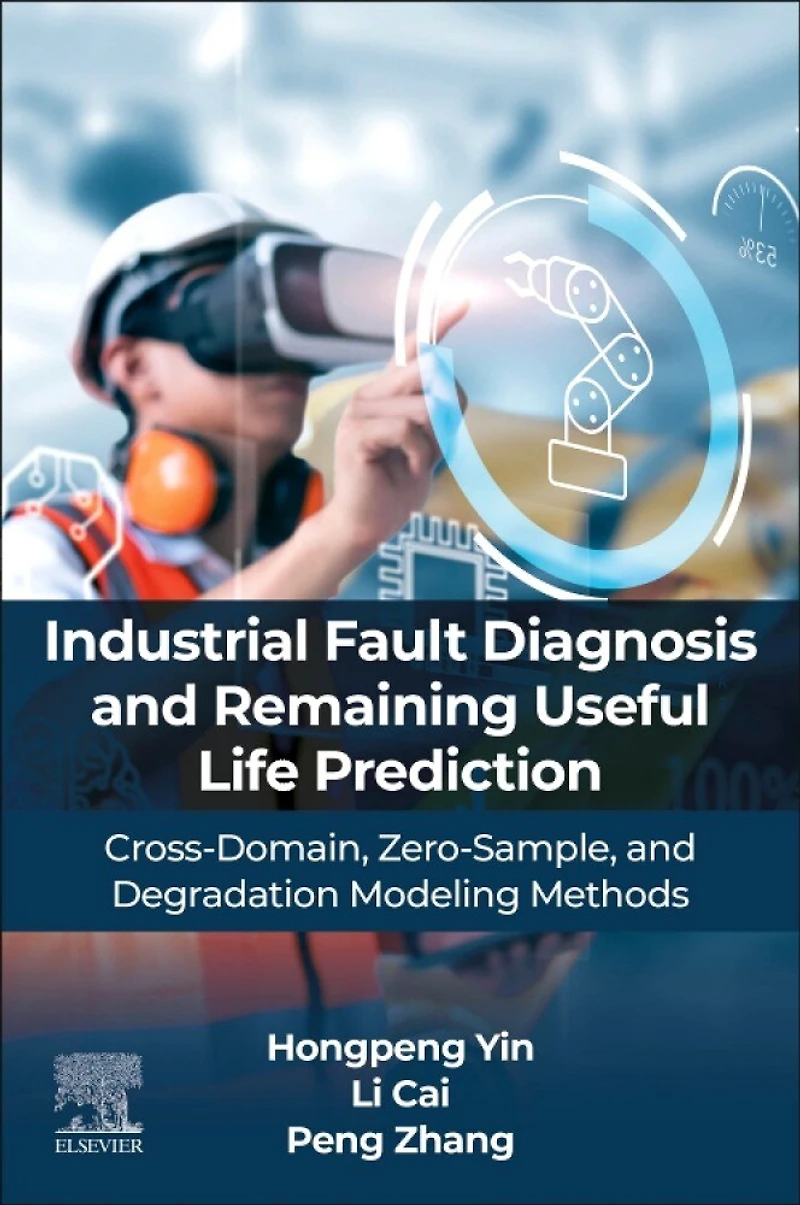
Intelligent Fault Diagnosis and Prognosis For Industrial Systems: Cross-Domain, Zero-Sample, Degradation Modeling Methods in Grande Prairie, AB
Current price: $159.99
Original price: $199.99
Coles
Intelligent Fault Diagnosis and Prognosis For Industrial Systems: Cross-Domain, Zero-Sample, Degradation Modeling Methods in Grande Prairie, AB
Current price: $159.99
Original price: $199.99
Loading Inventory...
Size: Kobo eBook
*Product information and pricing may vary - to confirm current pricing, availability, shipping, and return information please contact Coles. In the event of a pricing discrepancy, the retailer's price will apply.
Industrial Fault Diagnosis and Remaining Useful Life Prediction: Cross-Domain, Zero-Sample, and Degradation Modeling Methods introduces zero-sample learning methods that enable fault diagnosis and Predict Remaining Useful Life (RUL) without the need for labelled fault data. This is particularly valuable in industrial settings where labelled data is scarce or unavailable. Offers step-by-step guidance on implementing zero-shot learning models using real industrial data, reducing the learning curve for practitioners; includes real-world industrial case studies to demonstrate the application of zero-sample learning techniques in various industries, such as manufacturing, energy, and transportation. Such case studies provide readers with actionable insights and practical solutions. The book covers advanced methodologies for predicting the remaining useful life of industrial equipment, supporting readers in optimizing maintenance schedules, reducing downtime and extending the lifespan of critical assets. Covers state-of-the-art algorithms, including deep learning, transfer learning and domain adaptation, tailored for zero-sample scenarios. These tools empower readers to develop robust fault diagnosis and RUL prediction systems, enhancing predictive maintenance capabilities and ensuring the reliability of industrial systems.
Introduces zero-shot learning techniques that enable fault diagnosis and Remaining Useful Life or RUL prediction even with limited or no labelled data for specific faults
Provides methodologies for models to generalize for unseen faults, ensuring robust performance in real-world scenarios
Offers step-by-step guidance on implementing zero-shot learning models using real industrial data, reducing the learning curve for practitioners and the ability to implement advanced techniques: thereby enhancing predictive maintenance capabilities and ensuring the reliability of industrial systems
Includes real-world case studies and examples to demonstrate the application of zero-shot learning in industrial settings, bridging the gap between theory and practice
Industrial Fault Diagnosis and Remaining Useful Life Prediction: Cross-Domain, Zero-Sample, and Degradation Modeling Methods introduces zero-sample learning methods that enable fault diagnosis and Predict Remaining Useful Life (RUL) without the need for labelled fault data. This is particularly valuable in industrial settings where labelled data is scarce or unavailable. Offers step-by-step guidance on implementing zero-shot learning models using real industrial data, reducing the learning curve for practitioners; includes real-world industrial case studies to demonstrate the application of zero-sample learning techniques in various industries, such as manufacturing, energy, and transportation. Such case studies provide readers with actionable insights and practical solutions. The book covers advanced methodologies for predicting the remaining useful life of industrial equipment, supporting readers in optimizing maintenance schedules, reducing downtime and extending the lifespan of critical assets. Covers state-of-the-art algorithms, including deep learning, transfer learning and domain adaptation, tailored for zero-sample scenarios. These tools empower readers to develop robust fault diagnosis and RUL prediction systems, enhancing predictive maintenance capabilities and ensuring the reliability of industrial systems.
Introduces zero-shot learning techniques that enable fault diagnosis and Remaining Useful Life or RUL prediction even with limited or no labelled data for specific faults
Provides methodologies for models to generalize for unseen faults, ensuring robust performance in real-world scenarios
Offers step-by-step guidance on implementing zero-shot learning models using real industrial data, reducing the learning curve for practitioners and the ability to implement advanced techniques: thereby enhancing predictive maintenance capabilities and ensuring the reliability of industrial systems
Includes real-world case studies and examples to demonstrate the application of zero-shot learning in industrial settings, bridging the gap between theory and practice
You May Also Like










Find at Prairie Mall in Grande Prairie, AB
Visit at Prairie Mall in Grande Prairie, AB