


Gifting Made Simple
Give the Gift of ChoiceClick below to purchase a Prairie Mall eGift Card that can be used at participating retailers at Prairie Mall.Buy Gift CardHome
Intelligent Engine Systems: Alternate Fuels Evaluation
Coles
Loading Inventory...
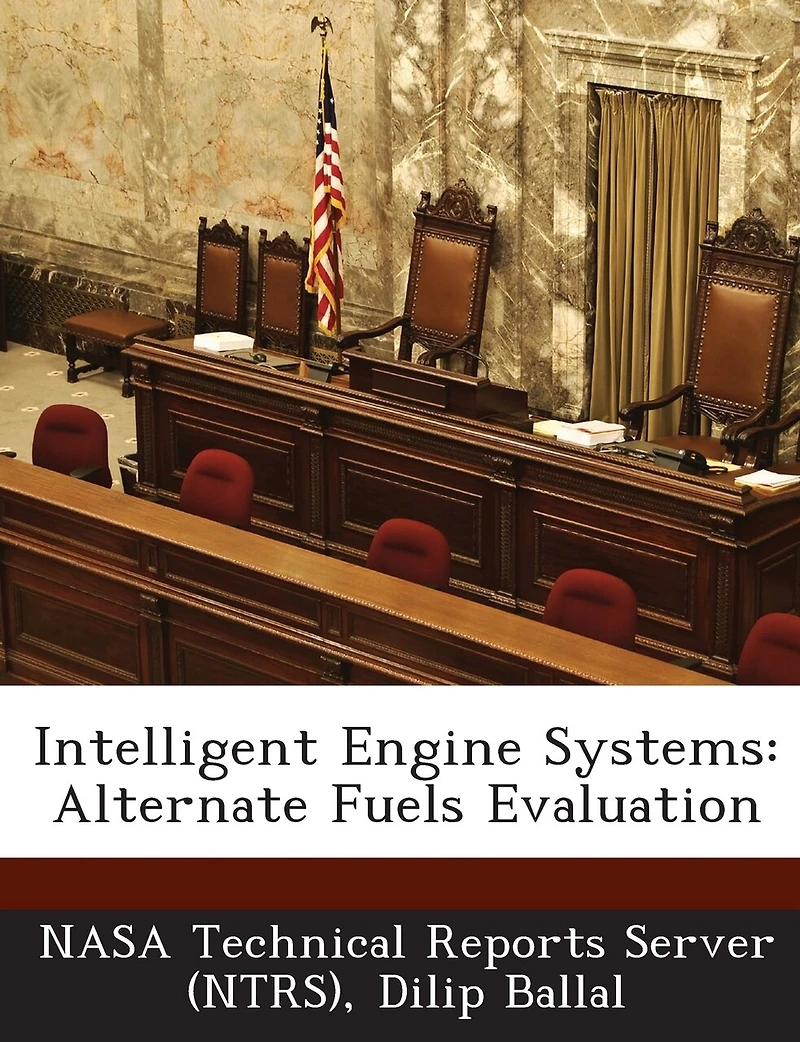
Intelligent Engine Systems: Alternate Fuels Evaluation in Grande Prairie, AB
Current price: $18.99
Coles
Intelligent Engine Systems: Alternate Fuels Evaluation in Grande Prairie, AB
Current price: $18.99
Loading Inventory...
Size: Paperback
*Product information and pricing may vary - to confirm current pricing, availability, shipping, and return information please contact Coles. In the event of a pricing discrepancy, the retailer's price will apply.
The performance and gaseous emissions were measured for a well-stirred reactor operating under lean conditions for two fuels: JP8 and a synthetic Fisher-Tropsch fuel over a range of equivalence ratios from 0.6 down to the lean blowout. The lean blowout characteristics were determined in LBO experiments at loading parameter values from 0.7 to 1.4. The lean blowout characteristics were then explored under higher loading conditions by simulating higher altitude operation with the use of nitrogen as a dilution gas for the air stream. The experiments showed that: (1) The lean blowout characteristics for the two fuels were close under both low loading and high loading conditions. (2) The combustion temperatures and observed combustion efficiencies were similar for the two fuels. (3) The gaseous emissions were similar for the two fuels and the differences in the H2O and CO2 emissions appear to be directly relatable to the C/H ratio for the fuels.
The performance and gaseous emissions were measured for a well-stirred reactor operating under lean conditions for two fuels: JP8 and a synthetic Fisher-Tropsch fuel over a range of equivalence ratios from 0.6 down to the lean blowout. The lean blowout characteristics were determined in LBO experiments at loading parameter values from 0.7 to 1.4. The lean blowout characteristics were then explored under higher loading conditions by simulating higher altitude operation with the use of nitrogen as a dilution gas for the air stream. The experiments showed that: (1) The lean blowout characteristics for the two fuels were close under both low loading and high loading conditions. (2) The combustion temperatures and observed combustion efficiencies were similar for the two fuels. (3) The gaseous emissions were similar for the two fuels and the differences in the H2O and CO2 emissions appear to be directly relatable to the C/H ratio for the fuels.
You May Also Like












Find at Prairie Mall in Grande Prairie, AB
Visit at Prairie Mall in Grande Prairie, AB