


Gifting Made Simple
Give the Gift of ChoiceClick below to purchase a Prairie Mall eGift Card that can be used at participating retailers at Prairie Mall.Buy Gift CardHome
Inner and Outer Meanings of Buddhism
Coles
Loading Inventory...
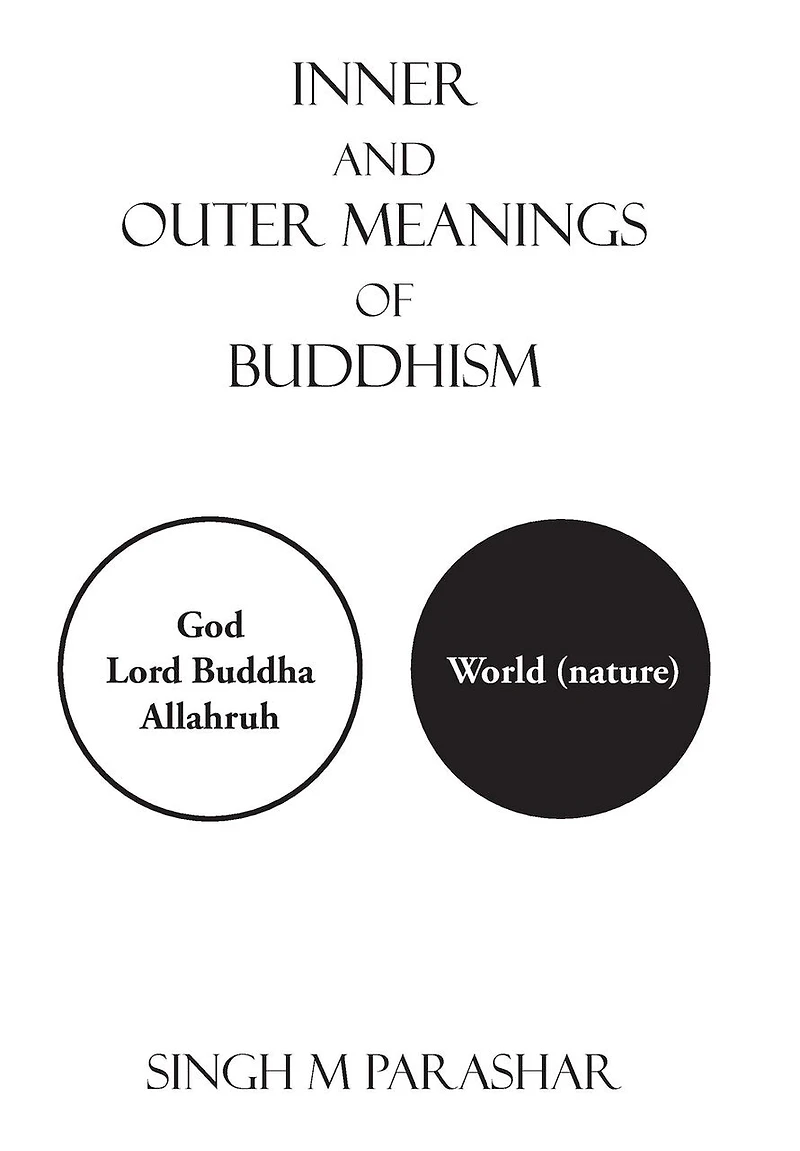
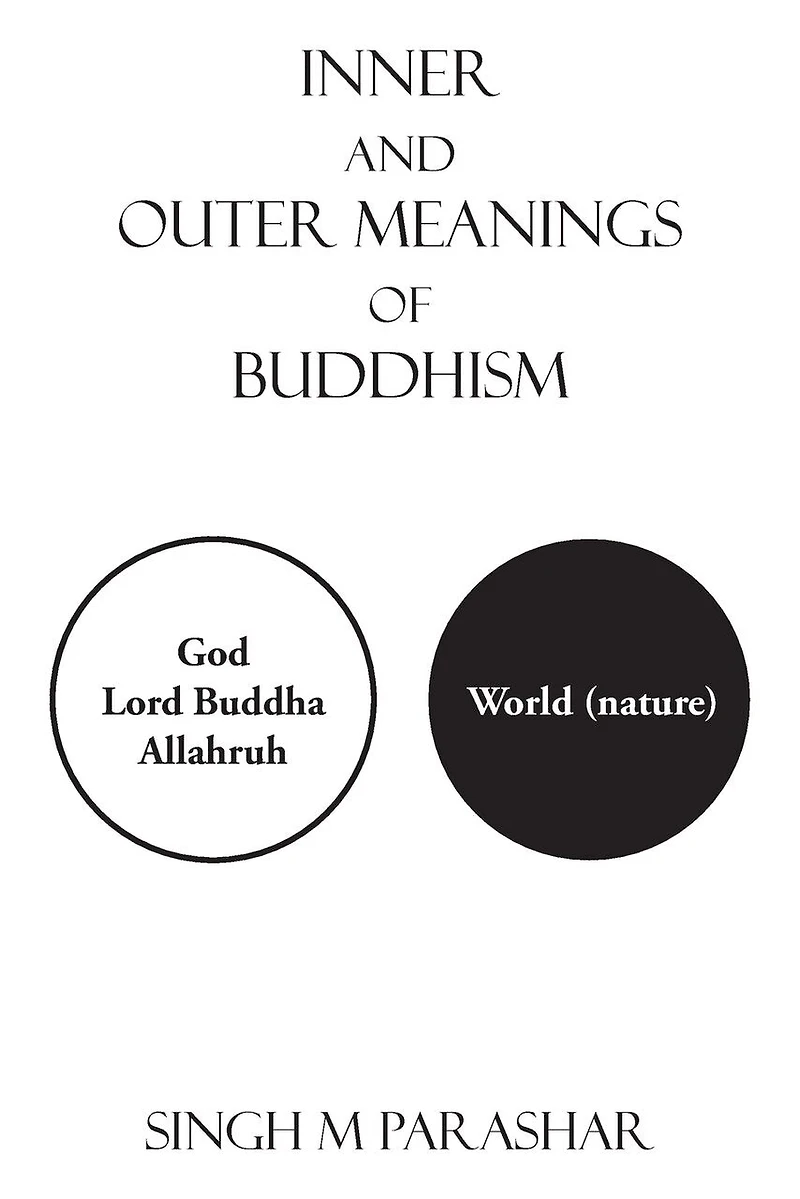
Inner and Outer Meanings of Buddhism in Grande Prairie, AB
Current price: $62.95
Coles
Inner and Outer Meanings of Buddhism in Grande Prairie, AB
Current price: $62.95
Loading Inventory...
Size: Hardcover
*Product information and pricing may vary - to confirm current pricing, availability, shipping, and return information please contact Coles. In the event of a pricing discrepancy, the retailer's price will apply.
Buddha's concept of no self is correct and superior to the old Hindu concept of a permanent, eternal, and unchanging self. God, freedom of will, immortality, and the law of karma (moral retribution) are the things-in-themselves. These things-in-themselves belong to the transcendent realm of noumena. These things are not governed by the causal chain of the world of senses. The outer meanings of many concepts of Buddhism are different from their inner meanings. Mind is a physical thing like mercury, and human body is like a glass tube containing mercury. Mind is active as well as passive. Existence is prior to essence. There is no transcendent aesthetic. There is only a phenomenal aesthetic. The sense of space is created by the inverse square law. The light of the absolute goes on decreasing as we move from a mother to the family, from the family to the society, and from the society to the state. According to the inner meanings, the twelve links of the dependent origination are actually made of three separate and independent chains. Nirvana and many other concepts of Buddhism are unknowable and inconceivable. An attempt has been made to make the inconceivable concepts as conceivable.
Buddha's concept of no self is correct and superior to the old Hindu concept of a permanent, eternal, and unchanging self. God, freedom of will, immortality, and the law of karma (moral retribution) are the things-in-themselves. These things-in-themselves belong to the transcendent realm of noumena. These things are not governed by the causal chain of the world of senses. The outer meanings of many concepts of Buddhism are different from their inner meanings. Mind is a physical thing like mercury, and human body is like a glass tube containing mercury. Mind is active as well as passive. Existence is prior to essence. There is no transcendent aesthetic. There is only a phenomenal aesthetic. The sense of space is created by the inverse square law. The light of the absolute goes on decreasing as we move from a mother to the family, from the family to the society, and from the society to the state. According to the inner meanings, the twelve links of the dependent origination are actually made of three separate and independent chains. Nirvana and many other concepts of Buddhism are unknowable and inconceivable. An attempt has been made to make the inconceivable concepts as conceivable.
You May Also Like












Find at Prairie Mall in Grande Prairie, AB
Visit at Prairie Mall in Grande Prairie, AB