


Gifting Made Simple
Give the Gift of ChoiceClick below to purchase a Prairie Mall eGift Card that can be used at participating retailers at Prairie Mall.Buy Gift CardHome
Industrial Forests and Mechanical Marvels: Modernization Nineteenth-Century Brazil
Coles
Loading Inventory...
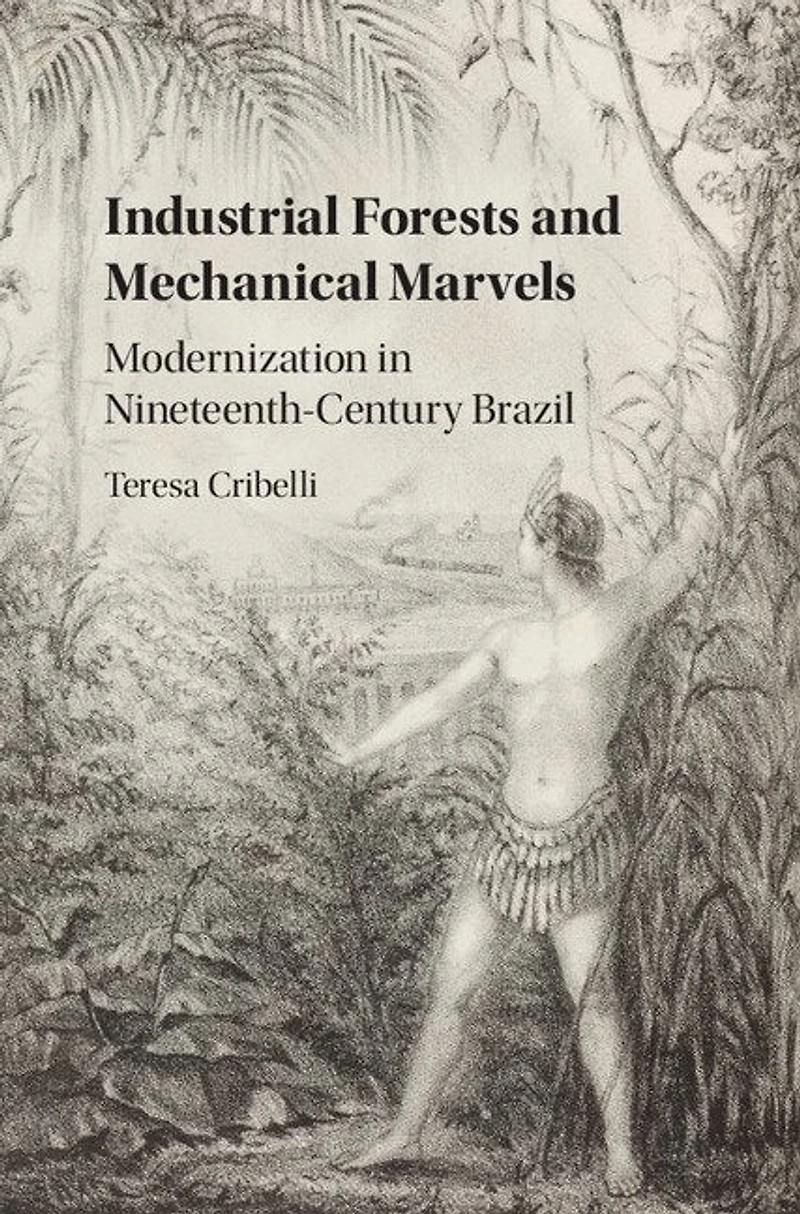
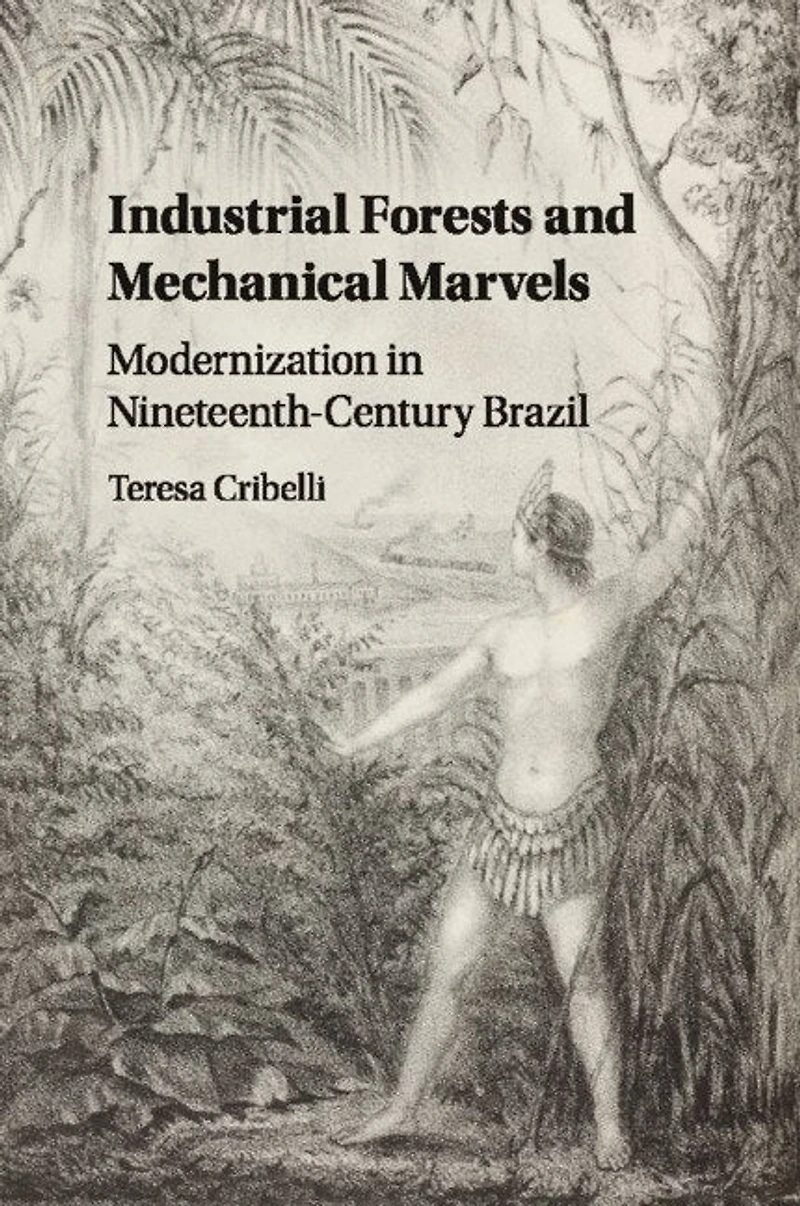
Industrial Forests and Mechanical Marvels: Modernization Nineteenth-Century Brazil in Grande Prairie, AB
Current price: $152.95
Coles
Industrial Forests and Mechanical Marvels: Modernization Nineteenth-Century Brazil in Grande Prairie, AB
Current price: $152.95
Loading Inventory...
Size: Hardcover
*Product information and pricing may vary - to confirm current pricing, availability, shipping, and return information please contact Coles. In the event of a pricing discrepancy, the retailer's price will apply.
An account of modernization and technological innovation in nineteenth-century Brazil that provides a distinctly Brazilian perspective. Existing scholarship on the period describes the beginnings of Brazilian modernization as a European or North American import dependent on foreign capital, transfers of technology, and philosophical inspiration. Promoters of modernization were considered few in number, derivative in their thinking, or thwarted by an entrenched slaveholding elite hostile to industrialization. Teresa Cribelli presents a more nuanced picture. Nineteenth-century Brazilians selected among the transnational flow of ideas and technologies with care and attention to the specific conditions of their tropical nation. Studying underutilized sources, Cribelli illuminates a distinctly Brazilian vision of modernization that challenges the view that Brazil, a nation dependent on slave labor for much of the nineteenth century, was merely reactive in the face of the modernization models of the North Atlantic industrializing nations.
An account of modernization and technological innovation in nineteenth-century Brazil that provides a distinctly Brazilian perspective. Existing scholarship on the period describes the beginnings of Brazilian modernization as a European or North American import dependent on foreign capital, transfers of technology, and philosophical inspiration. Promoters of modernization were considered few in number, derivative in their thinking, or thwarted by an entrenched slaveholding elite hostile to industrialization. Teresa Cribelli presents a more nuanced picture. Nineteenth-century Brazilians selected among the transnational flow of ideas and technologies with care and attention to the specific conditions of their tropical nation. Studying underutilized sources, Cribelli illuminates a distinctly Brazilian vision of modernization that challenges the view that Brazil, a nation dependent on slave labor for much of the nineteenth century, was merely reactive in the face of the modernization models of the North Atlantic industrializing nations.
You May Also Like

















Find at Prairie Mall in Grande Prairie, AB
Visit at Prairie Mall in Grande Prairie, AB