


Gifting Made Simple
Give the Gift of ChoiceClick below to purchase a Prairie Mall eGift Card that can be used at participating retailers at Prairie Mall.Buy Gift CardHome
Indigenous Politics: Institutions, Representation, Mobilisation
Coles
Loading Inventory...
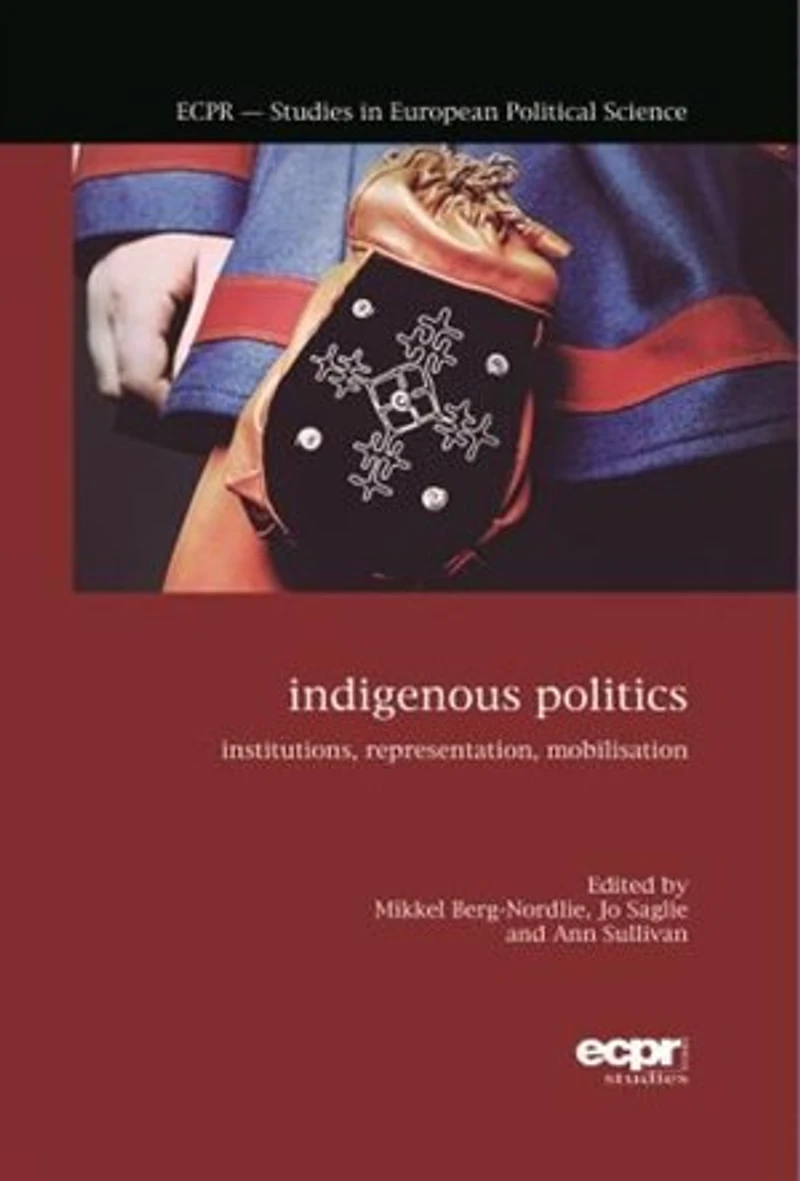
Indigenous Politics: Institutions, Representation, Mobilisation in Grande Prairie, AB
Current price: $70.00
Coles
Indigenous Politics: Institutions, Representation, Mobilisation in Grande Prairie, AB
Current price: $70.00
Loading Inventory...
Size: Paperback
*Product information and pricing may vary - to confirm current pricing, availability, shipping, and return information please contact Coles. In the event of a pricing discrepancy, the retailer's price will apply.
Over the last fifty years, indigenous politics has become an increasingly important field of study. Recognition of self-determination rights are being demanded by indigenous peoples around the world. Indigenous struggles for political representation are shaped by historical and social circumstances particular to their nations but there are, nevertheless, many shared experiences. What are some of the commonalities, similarities and differences to indigenous representation, participation and mobilisation? This anthology offers a comparative perspective on institutional arrangements that provide for varying degrees of indigenous representation, including forms of self-organisation as well as government-created representation structures. A range of comparative and country-specific studies provides a wealth of information on institutional arrangements and processes that mobilise indigenous peoples and the ways in which they negotiate alliances and handle conflict.
Over the last fifty years, indigenous politics has become an increasingly important field of study. Recognition of self-determination rights are being demanded by indigenous peoples around the world. Indigenous struggles for political representation are shaped by historical and social circumstances particular to their nations but there are, nevertheless, many shared experiences. What are some of the commonalities, similarities and differences to indigenous representation, participation and mobilisation? This anthology offers a comparative perspective on institutional arrangements that provide for varying degrees of indigenous representation, including forms of self-organisation as well as government-created representation structures. A range of comparative and country-specific studies provides a wealth of information on institutional arrangements and processes that mobilise indigenous peoples and the ways in which they negotiate alliances and handle conflict.
You May Also Like










Find at Prairie Mall in Grande Prairie, AB
Visit at Prairie Mall in Grande Prairie, AB