


Gifting Made Simple
Give the Gift of ChoiceClick below to purchase a Prairie Mall eGift Card that can be used at participating retailers at Prairie Mall.Buy Gift CardHome
Indigenous Languages, Politics, and Authority Latin America: Historical Ethnographic Perspectives
Coles
Loading Inventory...
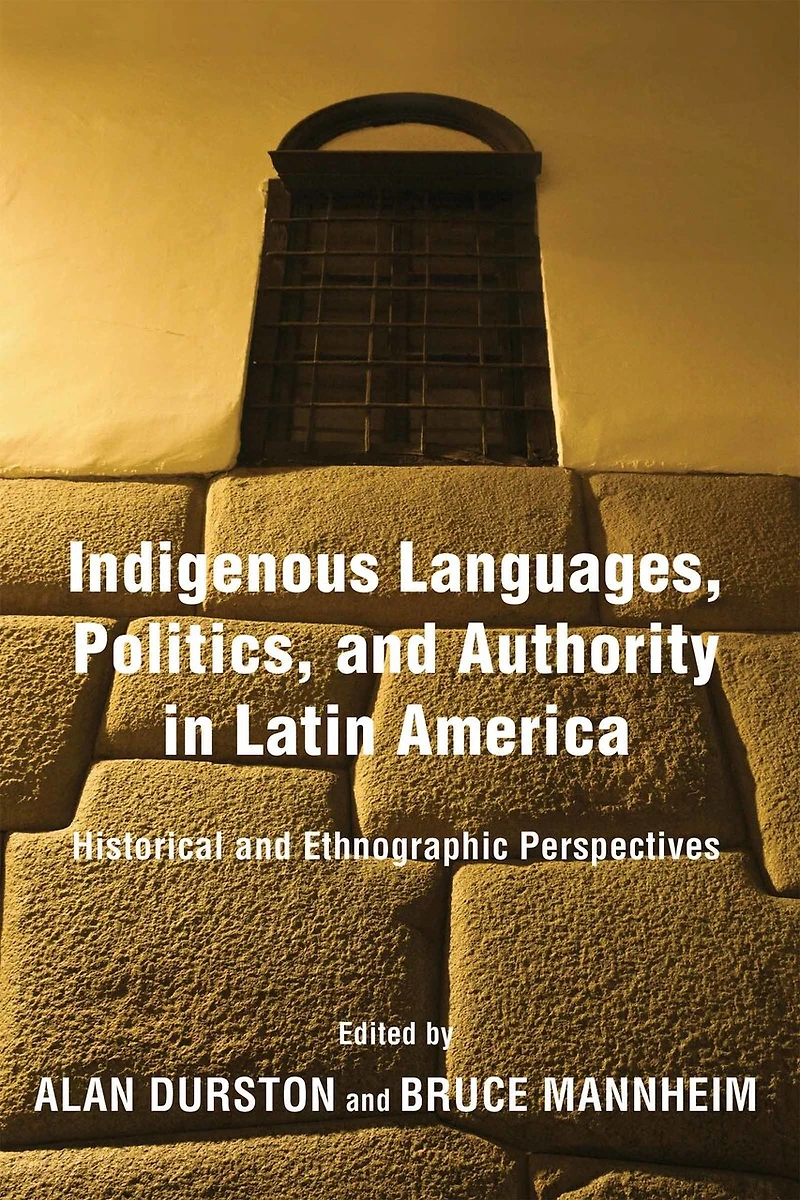
Indigenous Languages, Politics, and Authority Latin America: Historical Ethnographic Perspectives in Grande Prairie, AB
Current price: $77.99
Coles
Indigenous Languages, Politics, and Authority Latin America: Historical Ethnographic Perspectives in Grande Prairie, AB
Current price: $77.99
Loading Inventory...
Size: Hardcover
*Product information and pricing may vary - to confirm current pricing, availability, shipping, and return information please contact Coles. In the event of a pricing discrepancy, the retailer's price will apply.
This volume makes a vital and original contribution to a topic that lies at the intersection of the fields of history, anthropology, and linguistics. The book is the first to consider indigenous languages as vehicles of political orders in Latin America from the sixteenth century to the present, across regional and national contexts, including Peru, Mexico, Guatemala, and Paraguay. The chapters focus on languages that have been prominent in multiethnic colonial and national societies and are well represented in the written record: Guarani, Quechua, some of the Mayan languages, Nahuatl, and other Mesoamerican languages. The contributors put into dialogue the questions and methodologies that have animated anthropological and historical approaches to the topic, including ethnohistory, philology, language politics and ideologies, sociolinguistics, pragmatics, and metapragmatics. Some of the historical chapters deal with how political concepts and discourses were expressed in indigenous languages, while others focus on multilingualism and language hierarchies, where some indigenous languages, or language varieties, acquired a special status as mediums of written communication and as elite languages. The ethnographic chapters show how the deployment of distinct linguistic varieties in social interaction lays bare the workings of social differentiation and social hierarchy. Contributors: Alan Durston, Bruce Mannheim, Sabine MacCormack, Bas van Doesburg, Camilla Townsend, Capucine Boidin, Anglica Otaz Melgarejo, Judith M. Maxwell, Margarita Huayhua.
This volume makes a vital and original contribution to a topic that lies at the intersection of the fields of history, anthropology, and linguistics. The book is the first to consider indigenous languages as vehicles of political orders in Latin America from the sixteenth century to the present, across regional and national contexts, including Peru, Mexico, Guatemala, and Paraguay. The chapters focus on languages that have been prominent in multiethnic colonial and national societies and are well represented in the written record: Guarani, Quechua, some of the Mayan languages, Nahuatl, and other Mesoamerican languages. The contributors put into dialogue the questions and methodologies that have animated anthropological and historical approaches to the topic, including ethnohistory, philology, language politics and ideologies, sociolinguistics, pragmatics, and metapragmatics. Some of the historical chapters deal with how political concepts and discourses were expressed in indigenous languages, while others focus on multilingualism and language hierarchies, where some indigenous languages, or language varieties, acquired a special status as mediums of written communication and as elite languages. The ethnographic chapters show how the deployment of distinct linguistic varieties in social interaction lays bare the workings of social differentiation and social hierarchy. Contributors: Alan Durston, Bruce Mannheim, Sabine MacCormack, Bas van Doesburg, Camilla Townsend, Capucine Boidin, Anglica Otaz Melgarejo, Judith M. Maxwell, Margarita Huayhua.
You May Also Like











Find at Prairie Mall in Grande Prairie, AB
Visit at Prairie Mall in Grande Prairie, AB