


Gifting Made Simple
Give the Gift of ChoiceClick below to purchase a Prairie Mall eGift Card that can be used at participating retailers at Prairie Mall.Buy Gift CardHome
Indigenous Diplomacy and the Rights of Peoples: Achieving UN Recognition
Coles
Loading Inventory...
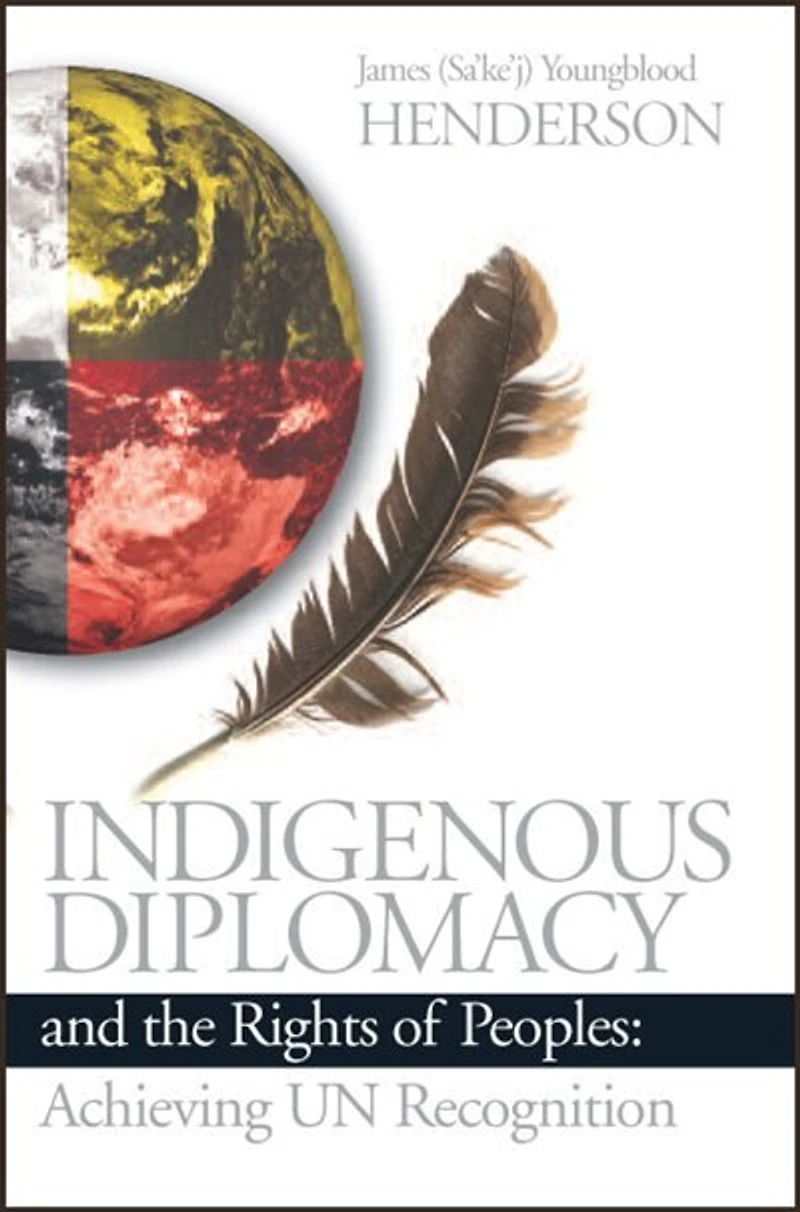
Indigenous Diplomacy and the Rights of Peoples: Achieving UN Recognition in Grande Prairie, AB
Current price: $29.50
Coles
Indigenous Diplomacy and the Rights of Peoples: Achieving UN Recognition in Grande Prairie, AB
Current price: $29.50
Loading Inventory...
Size: Paperback
*Product information and pricing may vary - to confirm current pricing, availability, shipping, and return information please contact Coles. In the event of a pricing discrepancy, the retailer's price will apply.
Despite centuries of sustained attacks against their collective existence, Indigenous peoples represent over 5,000 languages and cultures in more than 70 nations on six continents. Most have also retained social, cultural, economic, and political characteristics distinct from other segments of national populations, yet recognition of their humanity and rights has been a struggle to achieve. Based on personal experience, James (Sa’ke’j) Youngblood Henderson documents the generation-long struggle that led to the adoption of the Declaration of the Rights of Indigenous Peoples by the United Nations General Assembly. Henderson puts the Declaration and the struggles of Indigenous peoples in a wider context, outlining the rise of international law and how it was shaped by European ideas, the rise of the UN, and post-WWII agreements focusing on human rights.
Despite centuries of sustained attacks against their collective existence, Indigenous peoples represent over 5,000 languages and cultures in more than 70 nations on six continents. Most have also retained social, cultural, economic, and political characteristics distinct from other segments of national populations, yet recognition of their humanity and rights has been a struggle to achieve. Based on personal experience, James (Sa’ke’j) Youngblood Henderson documents the generation-long struggle that led to the adoption of the Declaration of the Rights of Indigenous Peoples by the United Nations General Assembly. Henderson puts the Declaration and the struggles of Indigenous peoples in a wider context, outlining the rise of international law and how it was shaped by European ideas, the rise of the UN, and post-WWII agreements focusing on human rights.
You May Also Like









Find at Prairie Mall in Grande Prairie, AB
Visit at Prairie Mall in Grande Prairie, AB