


Gifting Made Simple
Give the Gift of ChoiceClick below to purchase a Prairie Mall eGift Card that can be used at participating retailers at Prairie Mall.Buy Gift CardHome
Inclusive Design for Historic Buildings: Architectural Approaches to Accessibility
Coles
Loading Inventory...
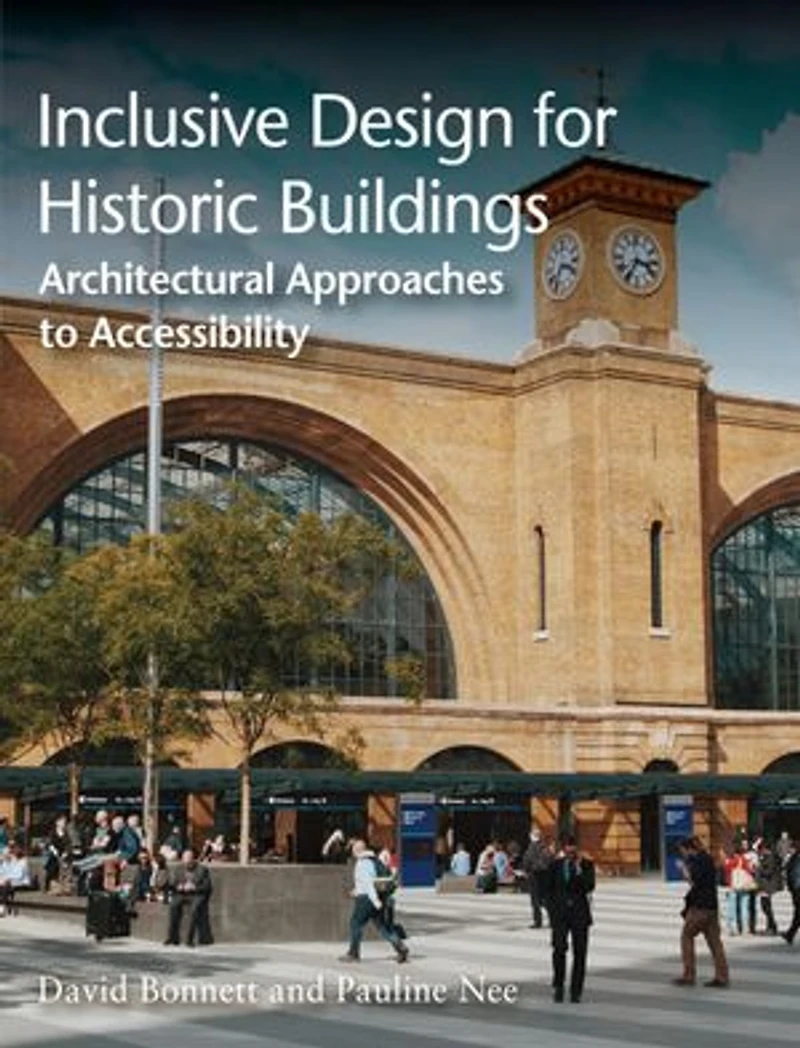
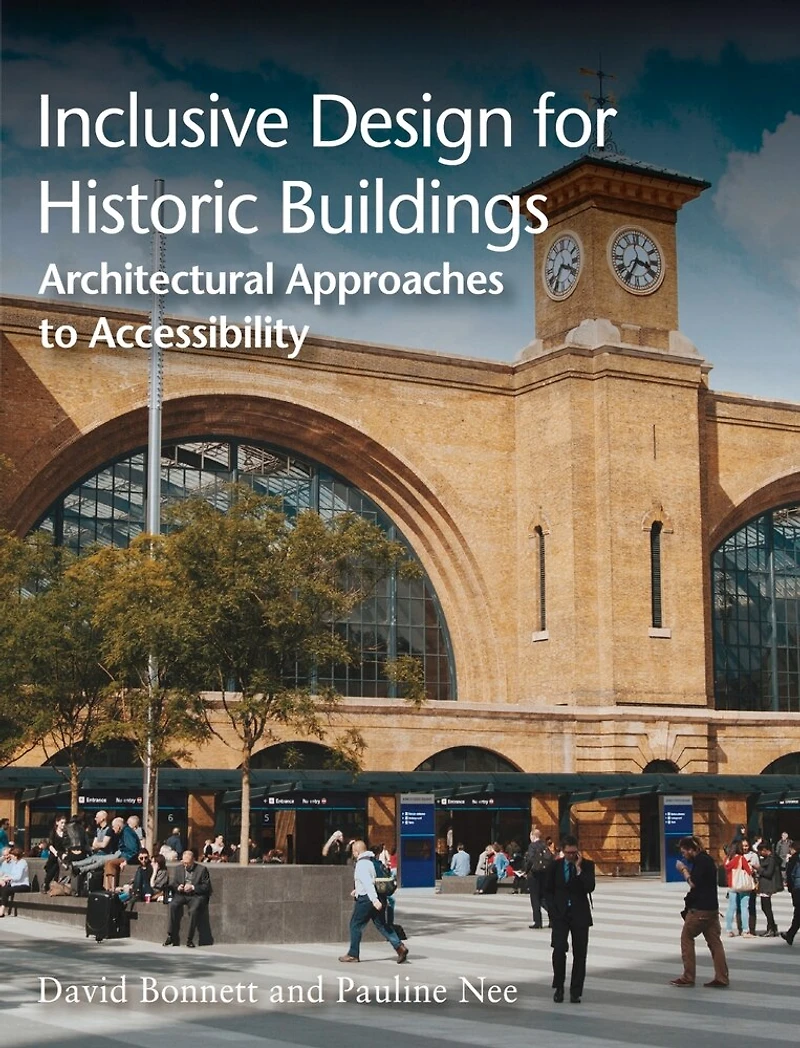
Inclusive Design for Historic Buildings: Architectural Approaches to Accessibility in Grande Prairie, AB
Current price: $22.79
Original price: $28.49
Coles
Inclusive Design for Historic Buildings: Architectural Approaches to Accessibility in Grande Prairie, AB
Current price: $22.79
Original price: $28.49
Loading Inventory...
Size: Kobo eBook
*Product information and pricing may vary - to confirm current pricing, availability, shipping, and return information please contact Coles. In the event of a pricing discrepancy, the retailer's price will apply.
Historic listed buildings continue to be enjoyed in the UK as places of work, education, entertainment, worship and more. However, in order to retain and enhance their value to society, they must function inclusively and provide easier access for disabled visitors. Inclusive Design for Historic Buildings explores how this challenging ambition can be reconciled with the long-standing objectives of building conservation. Experienced Access Consultant, David Bonnett, clearly sets out the qualifying elements for inclusivity and explores the architectural methods available, identifying five key typologies. Over twenty-five case studies are examined in depth, each illustrating a successful solution. Topics covered include the history of inclusive legislation; access auditing; working on-site and on-plan; consultation with disabled clients; creative problem-solving skills and, finally, social dynamics of the future.
Historic listed buildings continue to be enjoyed in the UK as places of work, education, entertainment, worship and more. However, in order to retain and enhance their value to society, they must function inclusively and provide easier access for disabled visitors. Inclusive Design for Historic Buildings explores how this challenging ambition can be reconciled with the long-standing objectives of building conservation. Experienced Access Consultant, David Bonnett, clearly sets out the qualifying elements for inclusivity and explores the architectural methods available, identifying five key typologies. Over twenty-five case studies are examined in depth, each illustrating a successful solution. Topics covered include the history of inclusive legislation; access auditing; working on-site and on-plan; consultation with disabled clients; creative problem-solving skills and, finally, social dynamics of the future.
You May Also Like









Find at Prairie Mall in Grande Prairie, AB
Visit at Prairie Mall in Grande Prairie, AB