


Gifting Made Simple
Give the Gift of ChoiceClick below to purchase a Prairie Mall eGift Card that can be used at participating retailers at Prairie Mall.Buy Gift CardHome
Incidents in the Life of a Slave Girl
Coles
Loading Inventory...
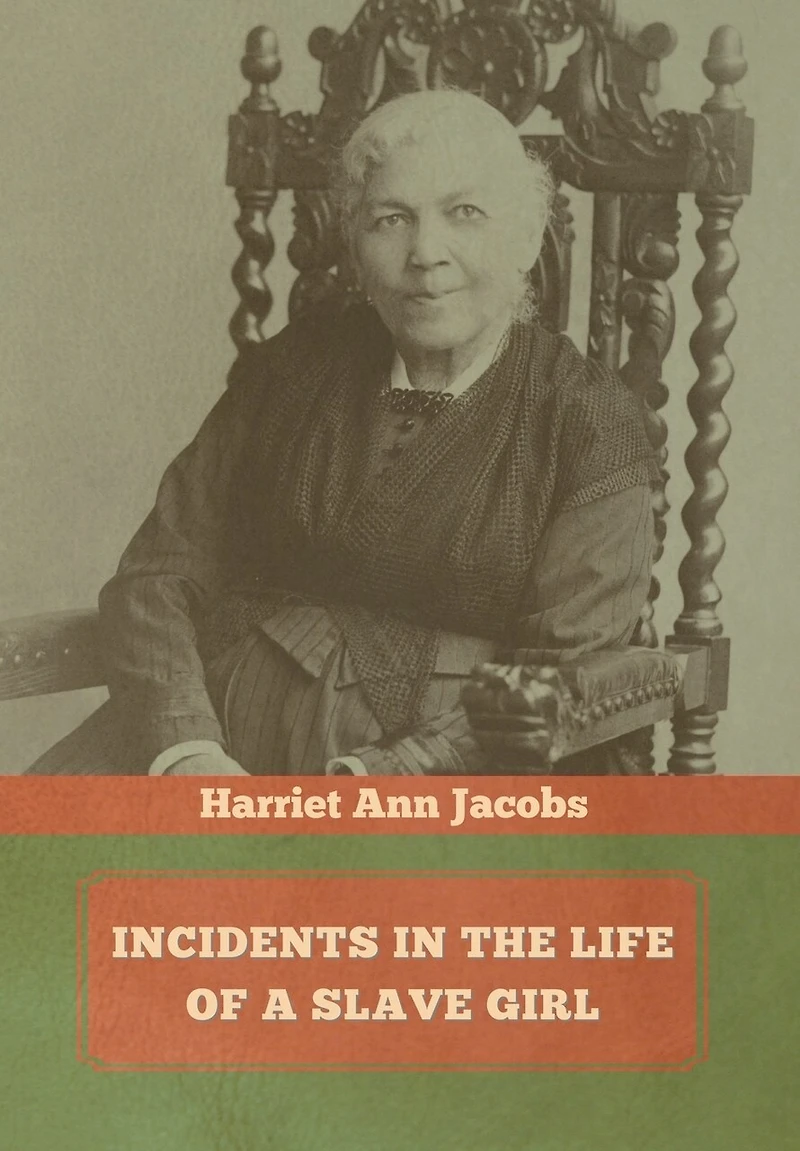
Incidents in the Life of a Slave Girl in Grande Prairie, AB
Current price: $21.95
Coles
Incidents in the Life of a Slave Girl in Grande Prairie, AB
Current price: $21.95
Loading Inventory...
Size: Hardcover
*Product information and pricing may vary - to confirm current pricing, availability, shipping, and return information please contact Coles. In the event of a pricing discrepancy, the retailer's price will apply.
Incidents in the Life of Slave Girl is considered a slave narrative as well as an example of feminist literature. Harriet Jacobs began composing Incidents in the Life of a Slave Girl while living and working at Idlewild, Willis's home on the Hudson River. Jacobs's autobiographical accounts were first published in serial form in the New York Tribune, a newspaper owned and edited by abolitionist Horace Greeley. Her reports of sexual abuse were considered too shocking for the average newspaper reader of the day, and the paper ceased publishing her account before its completion. The narrative was designed to appeal to middle class white Christian women in the North, focusing on the impact of slavery on women's chastity and sexual virtues. Christian women could perceive how slavery was a temptation to masculine lusts and vice as well as to womanly virtues. (Wikipedia)
Incidents in the Life of Slave Girl is considered a slave narrative as well as an example of feminist literature. Harriet Jacobs began composing Incidents in the Life of a Slave Girl while living and working at Idlewild, Willis's home on the Hudson River. Jacobs's autobiographical accounts were first published in serial form in the New York Tribune, a newspaper owned and edited by abolitionist Horace Greeley. Her reports of sexual abuse were considered too shocking for the average newspaper reader of the day, and the paper ceased publishing her account before its completion. The narrative was designed to appeal to middle class white Christian women in the North, focusing on the impact of slavery on women's chastity and sexual virtues. Christian women could perceive how slavery was a temptation to masculine lusts and vice as well as to womanly virtues. (Wikipedia)
You May Also Like


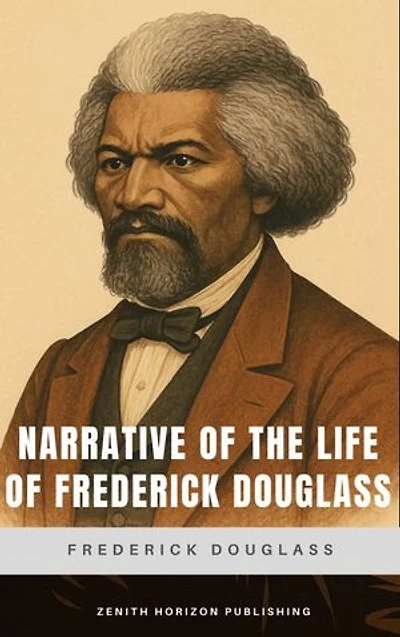








Find at Prairie Mall in Grande Prairie, AB
Visit at Prairie Mall in Grande Prairie, AB