


Gifting Made Simple
Give the Gift of ChoiceClick below to purchase a Prairie Mall eGift Card that can be used at participating retailers at Prairie Mall.Buy Gift CardHome
Incarceration and Regime Change: European Prisons during after the Second World War
Coles
Loading Inventory...
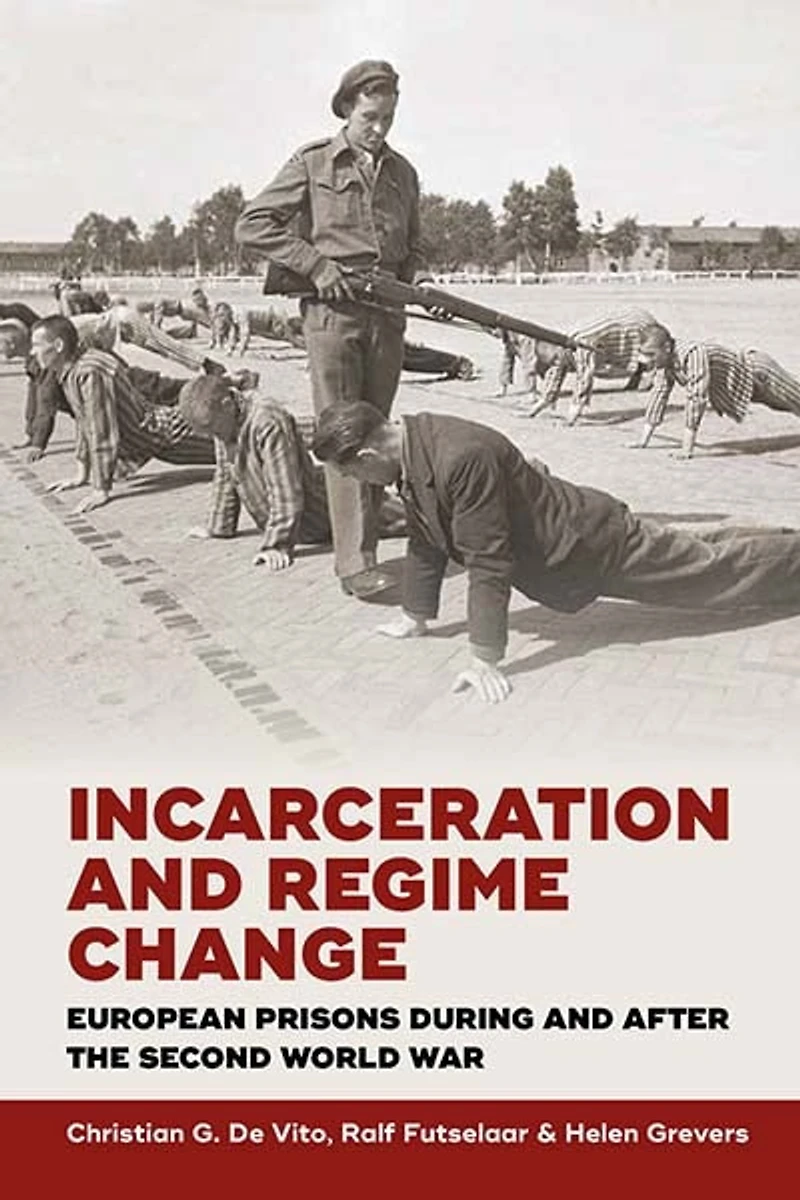
Incarceration and Regime Change: European Prisons during after the Second World War in Grande Prairie, AB
Current price: $24.99
Original price: $31.15
Coles
Incarceration and Regime Change: European Prisons during after the Second World War in Grande Prairie, AB
Current price: $24.99
Original price: $31.15
Loading Inventory...
Size: Kobo eBook
*Product information and pricing may vary - to confirm current pricing, availability, shipping, and return information please contact Coles. In the event of a pricing discrepancy, the retailer's price will apply.
Political instability is nearly always accompanied by fuller prisons, and this was particularly true during the “long” Second World War, when military mobilization, social disorder, wrenching political changes, and shifting national boundaries swelled the ranks of the imprisoned and broadened the carceral reach of the state. This volume brings together theoretically sophisticated, empirically rich studies of key transitional moments that transformed the scope and nature of European prisons during and after the war. It depicts the complex interactions of both penal and administrative institutions with the men and women who experienced internment, imprisonment, and detention at a time when these categories were in perpetual flux.
Political instability is nearly always accompanied by fuller prisons, and this was particularly true during the “long” Second World War, when military mobilization, social disorder, wrenching political changes, and shifting national boundaries swelled the ranks of the imprisoned and broadened the carceral reach of the state. This volume brings together theoretically sophisticated, empirically rich studies of key transitional moments that transformed the scope and nature of European prisons during and after the war. It depicts the complex interactions of both penal and administrative institutions with the men and women who experienced internment, imprisonment, and detention at a time when these categories were in perpetual flux.
You May Also Like









Find at Prairie Mall in Grande Prairie, AB
Visit at Prairie Mall in Grande Prairie, AB