


Gifting Made Simple
Give the Gift of ChoiceClick below to purchase a Prairie Mall eGift Card that can be used at participating retailers at Prairie Mall.Buy Gift CardHome
Immunodiagnostic Technologies from Laboratory to Point-Of-Care Testing
Coles
Loading Inventory...
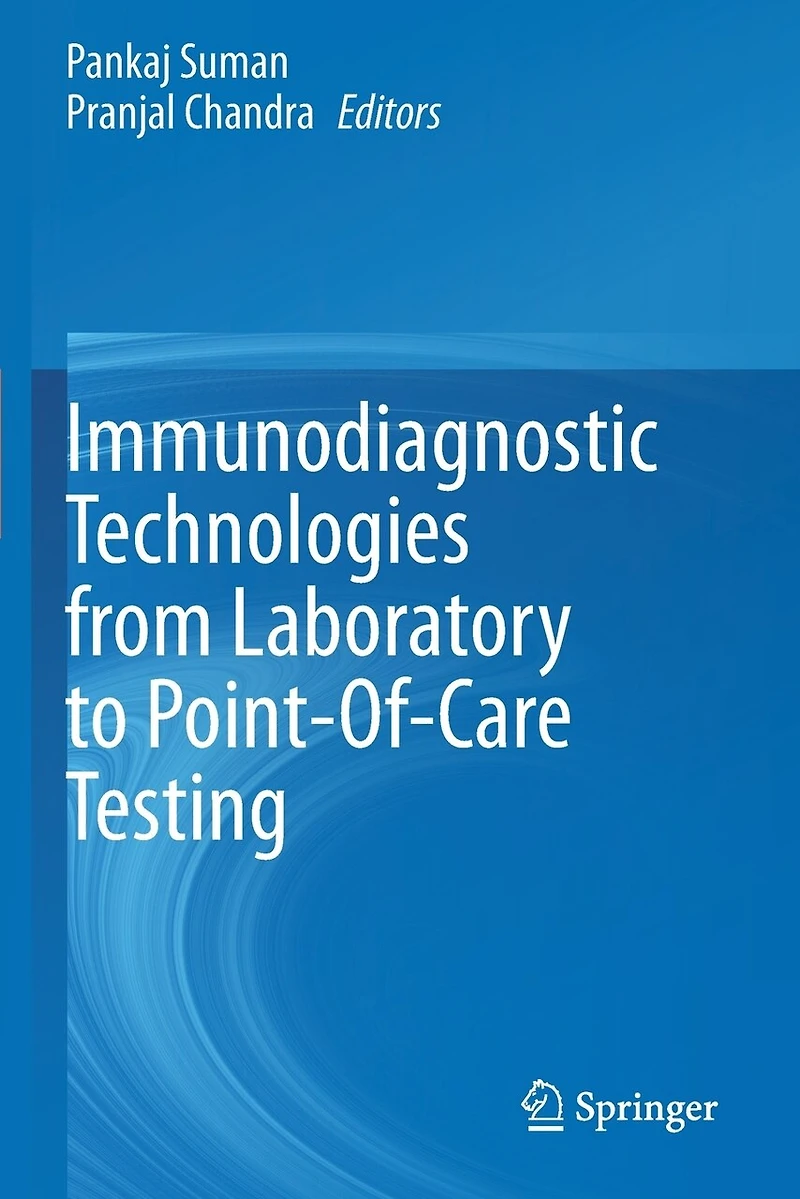
Immunodiagnostic Technologies from Laboratory to Point-Of-Care Testing in Grande Prairie, AB
Current price: $248.50
Coles
Immunodiagnostic Technologies from Laboratory to Point-Of-Care Testing in Grande Prairie, AB
Current price: $248.50
Loading Inventory...
Size: Paperback
*Product information and pricing may vary - to confirm current pricing, availability, shipping, and return information please contact Coles. In the event of a pricing discrepancy, the retailer's price will apply.
This book presents the timeline of immunodiagnostics evolution, including advancements in immunological/nucleic acid probes, assay design, labelling techniques, and devices for signal transduction and acquisition. In the past few years, enzyme and nanocatalyst-based immune assays have undergone numerous modifications to enhance their sensitivity and potential for automation. Further, to reduce production costs and the use of laboratory animals, engineering small antibodies and nucleic acid probes (aptamers) has become increasingly popular in the development of novel and powerful bioassays. In light of the notable advancements in immunodiagnostics, this book highlights the combined efforts of clinicians, biotechnologists, material scientists, nanotechnologists and basic scientists in a coherent and highly structured way. The book takes readers on the journey of immunodiagnostic technologies, from their introduction to the present.
This book presents the timeline of immunodiagnostics evolution, including advancements in immunological/nucleic acid probes, assay design, labelling techniques, and devices for signal transduction and acquisition. In the past few years, enzyme and nanocatalyst-based immune assays have undergone numerous modifications to enhance their sensitivity and potential for automation. Further, to reduce production costs and the use of laboratory animals, engineering small antibodies and nucleic acid probes (aptamers) has become increasingly popular in the development of novel and powerful bioassays. In light of the notable advancements in immunodiagnostics, this book highlights the combined efforts of clinicians, biotechnologists, material scientists, nanotechnologists and basic scientists in a coherent and highly structured way. The book takes readers on the journey of immunodiagnostic technologies, from their introduction to the present.
You May Also Like
















Find at Prairie Mall in Grande Prairie, AB
Visit at Prairie Mall in Grande Prairie, AB