


Gifting Made Simple
Give the Gift of ChoiceClick below to purchase a Prairie Mall eGift Card that can be used at participating retailers at Prairie Mall.Buy Gift CardHome
If Cars Could Walk: Postsocialist Streets Transformation
Coles
Loading Inventory...
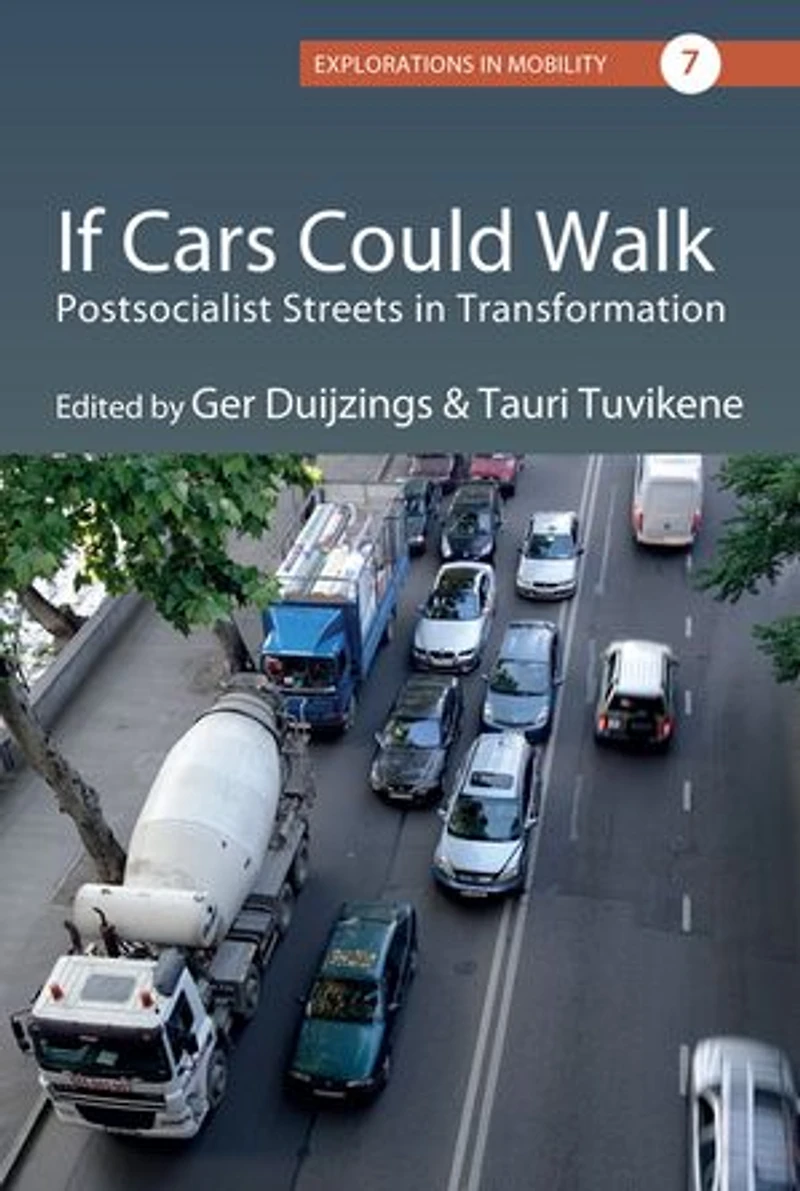

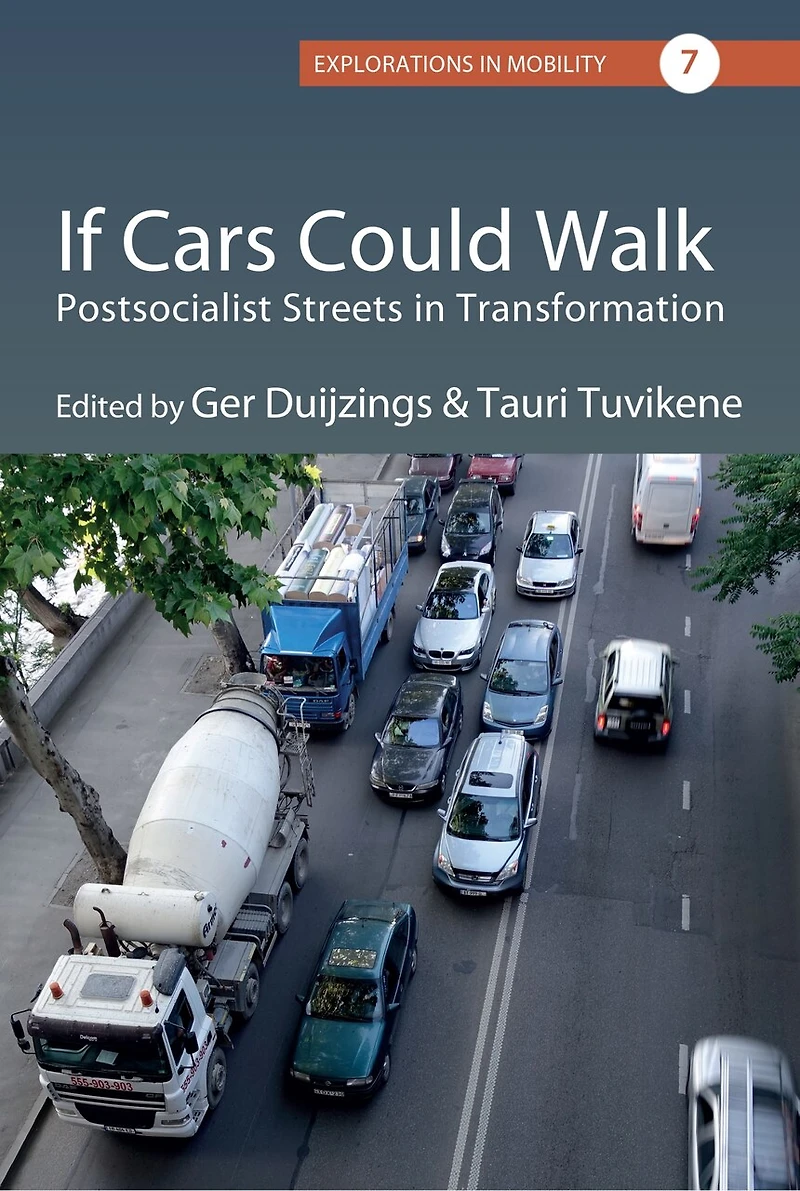
If Cars Could Walk: Postsocialist Streets Transformation
By None
Current price: $26.99
Original price: $32.99
Coles
If Cars Could Walk: Postsocialist Streets Transformation
By None
Current price: $26.99
Original price: $32.99
Loading Inventory...
Size: Kobo eBook (2023)
*Product information and pricing may vary - to confirm current pricing, availability, shipping, and return information please contact Coles. In the event of a pricing discrepancy, the retailer's price will apply.
In the last twenty-five years, the explosive rise of car mobility has transformed street life in postsocialist cities. Whereas previously the social fabric of these cities ran on socialist modes of mobility, they are now overtaken by a culture of privately owned cars. If Cars Could Walk uses ethnographic cases studies documenting these changes in terms of street interaction, vehicles used, and the parameters of speed, maneuverability, and cultural and symbolic values. The altered reality of people’s movements, replacing public transport, bicycles and other former ‘socialist’ modes of mobility with privatized mobility reflect an evolving political and cultural imagination, which in turn shapes their current political reality.
In the last twenty-five years, the explosive rise of car mobility has transformed street life in postsocialist cities. Whereas previously the social fabric of these cities ran on socialist modes of mobility, they are now overtaken by a culture of privately owned cars. If Cars Could Walk uses ethnographic cases studies documenting these changes in terms of street interaction, vehicles used, and the parameters of speed, maneuverability, and cultural and symbolic values. The altered reality of people’s movements, replacing public transport, bicycles and other former ‘socialist’ modes of mobility with privatized mobility reflect an evolving political and cultural imagination, which in turn shapes their current political reality.










More About Coles at Prairie Mall
11801 100 St #104, Grande Prairie, AB T8V 3Y2, Canada
Find Coles at Prairie Mall in Grande Prairie, AB
Visit Coles at Prairie Mall in Grande Prairie, AB