


Gifting Made Simple
Give the Gift of ChoiceClick below to purchase a Prairie Mall eGift Card that can be used at participating retailers at Prairie Mall.Buy Gift CardHome
Ideological Flexibility of Political Parties the Era Transnational Cleavage: A Comparative Study Lega and Rassemblement National
Coles
Loading Inventory...
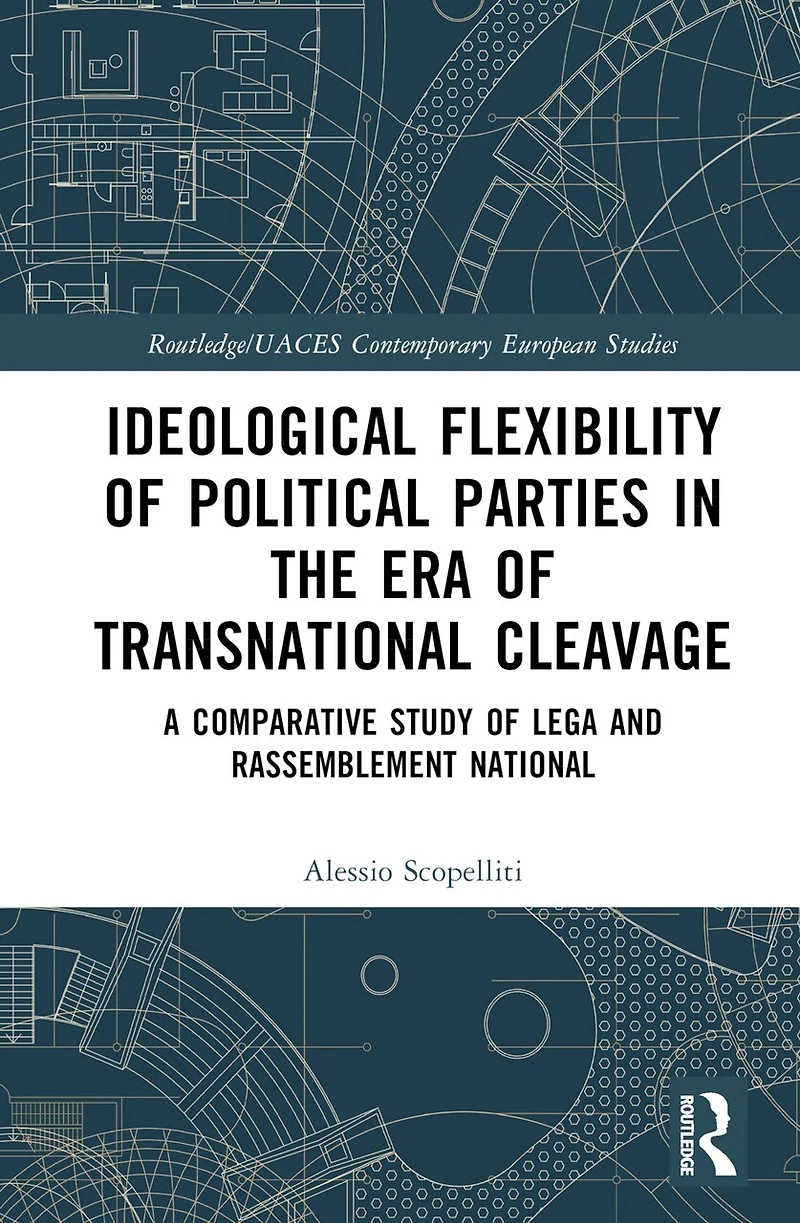

Ideological Flexibility of Political Parties the Era Transnational Cleavage: A Comparative Study Lega and Rassemblement National in Grande Prairie, AB
Current price: $296.50
Coles
Ideological Flexibility of Political Parties the Era Transnational Cleavage: A Comparative Study Lega and Rassemblement National in Grande Prairie, AB
Current price: $296.50
Loading Inventory...
Size: Hardcover
*Product information and pricing may vary - to confirm current pricing, availability, shipping, and return information please contact Coles. In the event of a pricing discrepancy, the retailer's price will apply.
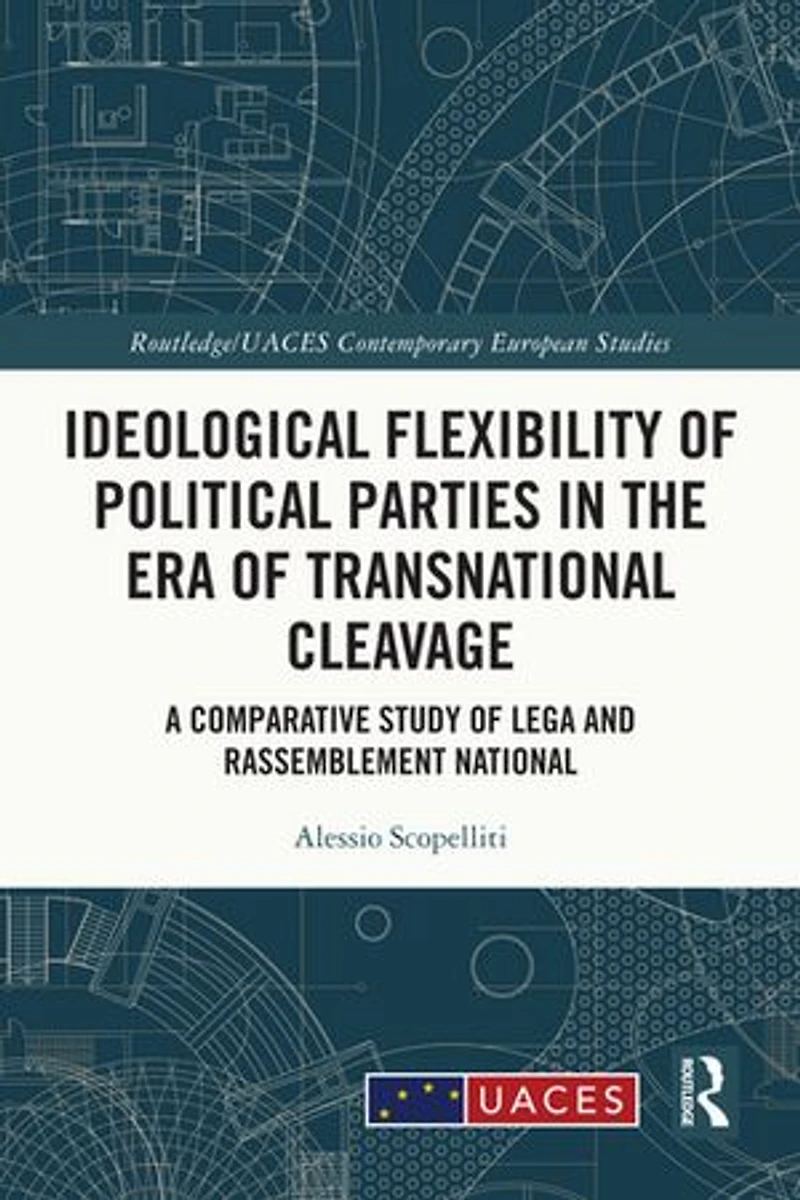
This book provides a comprehensive analysis of how the parties of Lega and Rassemblement National have adjusted their ideologies over a four-decade period to adapt to the new transnational cleavage in Western Europe - the conflict between pro-EU and anti-EU sentiments. It sheds light on their ability to change ideological positions, policy stances, and adopt strategic shifts in response to the evolving political landscape. Drawing from a rich array of sources, the book challenges the perception of established radical right parties as inflexible, revealing their significant ideological adaptability. As such, it offers a richer understanding of the dynamics within the radical right party family. This book is of key interest to scholars and students of Euroscepticism, the Radical Right, party politics, and more broadly to European and comparative politics.
This book provides a comprehensive analysis of how the parties of Lega and Rassemblement National have adjusted their ideologies over a four-decade period to adapt to the new transnational cleavage in Western Europe - the conflict between pro-EU and anti-EU sentiments. It sheds light on their ability to change ideological positions, policy stances, and adopt strategic shifts in response to the evolving political landscape. Drawing from a rich array of sources, the book challenges the perception of established radical right parties as inflexible, revealing their significant ideological adaptability. As such, it offers a richer understanding of the dynamics within the radical right party family. This book is of key interest to scholars and students of Euroscepticism, the Radical Right, party politics, and more broadly to European and comparative politics.
You May Also Like












Find at Prairie Mall in Grande Prairie, AB
Visit at Prairie Mall in Grande Prairie, AB