


Gifting Made Simple
Give the Gift of ChoiceClick below to purchase a Prairie Mall eGift Card that can be used at participating retailers at Prairie Mall.Buy Gift CardHome
Idealism Modern Philosophy
Coles
Loading Inventory...
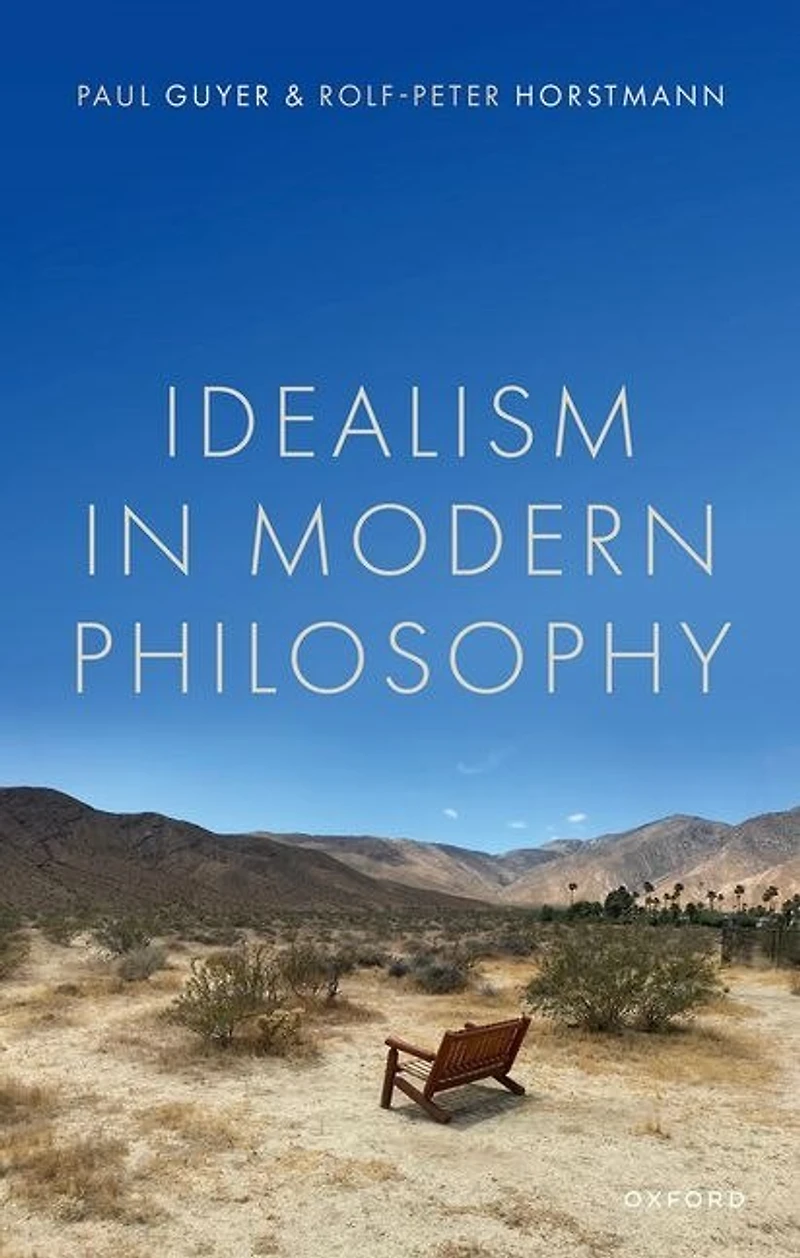
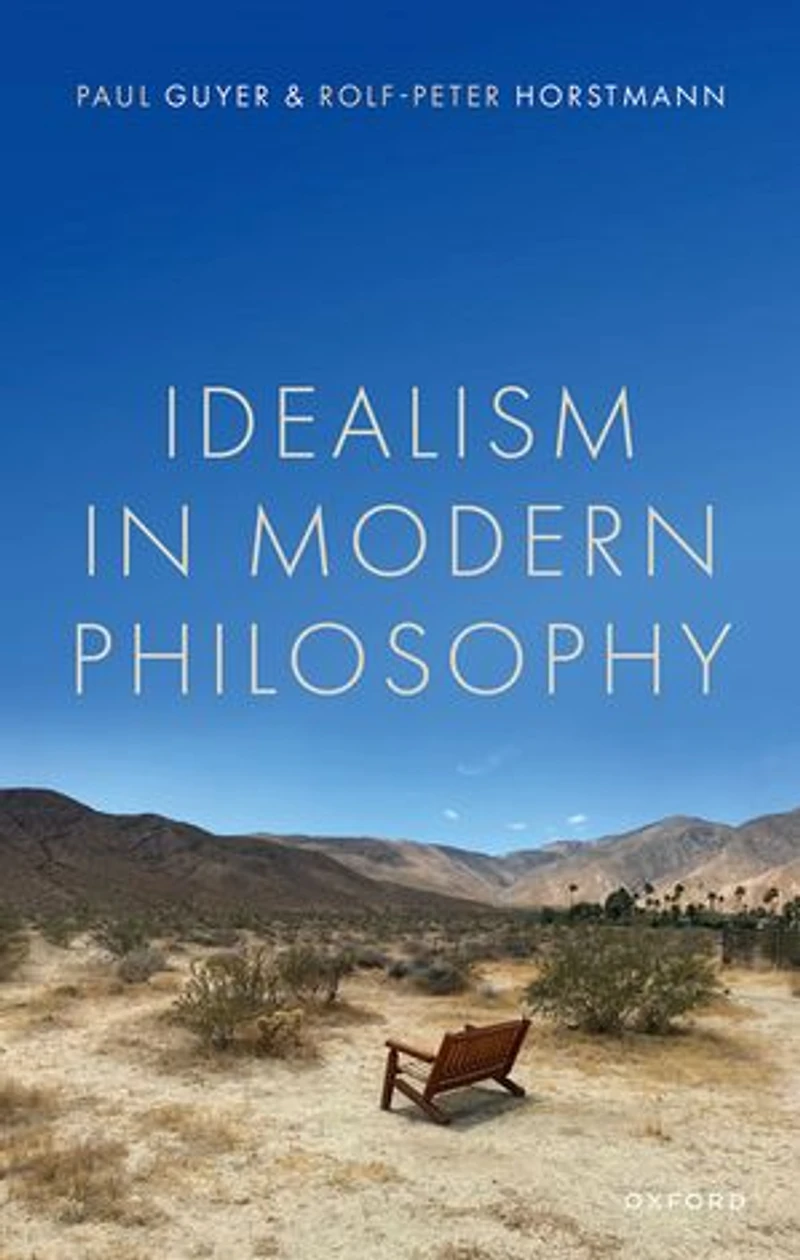
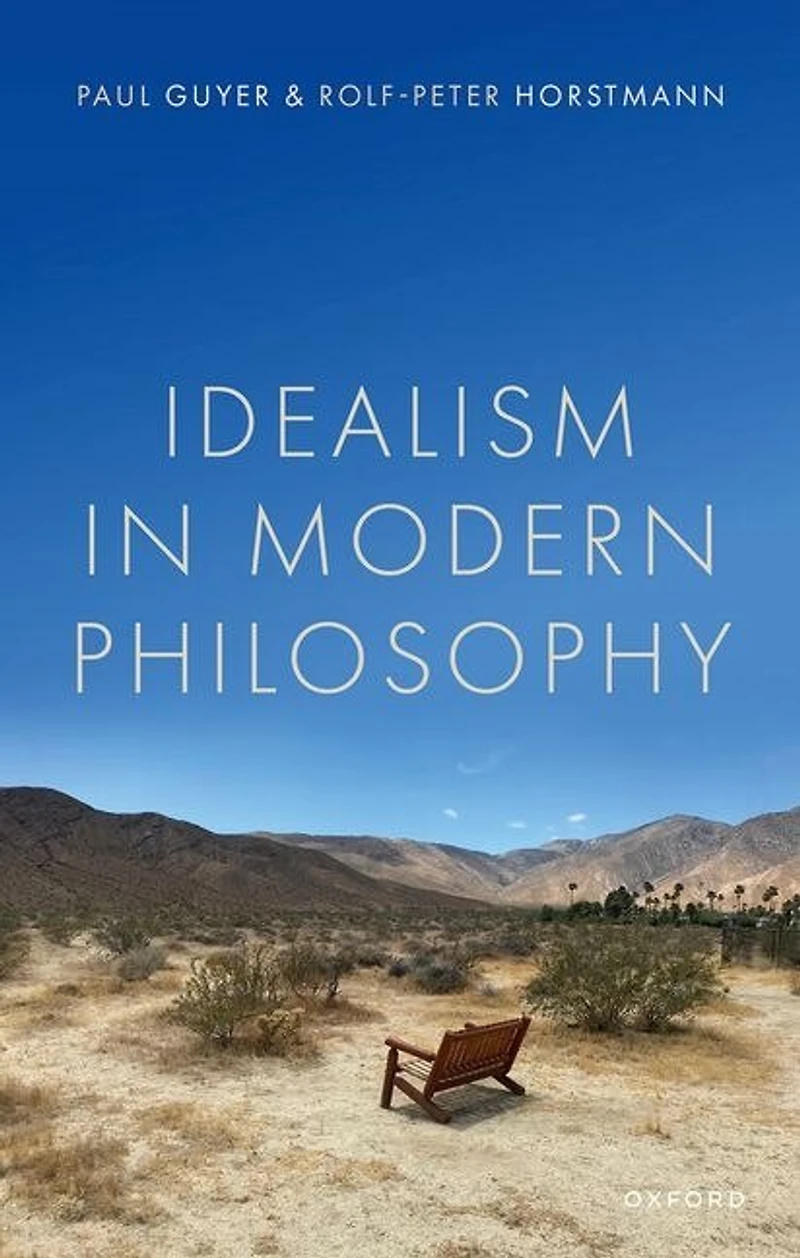
Idealism Modern Philosophy in Grande Prairie, AB
Current price: $128.04
Coles
Idealism Modern Philosophy in Grande Prairie, AB
Current price: $128.04
Loading Inventory...
Size: Hardcover
*Product information and pricing may vary - to confirm current pricing, availability, shipping, and return information please contact Coles. In the event of a pricing discrepancy, the retailer's price will apply.
This book tells the story of idealism in modern philosophy, from the seventeenth century to the turn of the twenty-first. Paul Guyer and Rolf-Peter Horstmann define idealism as the reduction of all reality to something mental in nature. Rather than distinguishing between metaphysical and epistemological versions of idealism, they distinguish between metaphysical and epistemological motivations for idealism. They argue that while metaphysical arguments for idealism have only rarely been accepted, for example by Bishop Berkeley in the early eighteenth century and the British idealists Bradley and McTaggart in the late nineteenth and early twentieth centuries, epistemological arguments for idealism have been widely accepted, even in the so-called analytic philosophy of the twentieth century.
Guyer and Horstmann discuss many philosophers who have played a role in the development of idealism, from Descartes, Hobbes, Spinoza, Leibniz, Locke, Berkeley, and Hume, through Kant; the German idealists Fichte, Schelling, and Hegel; Schopenhauer and Nietzsche; the British and American idealists such as Green and Royce in addition to Bradley and McTaggart; G.E. Moore and Bertrand Russell, Neo-Kantians such as Ernst Cassirer; and twentieth-century philosophers such as Wittgenstein, Collingwood, Carnap, Sellars, and McDowell.
This book tells the story of idealism in modern philosophy, from the seventeenth century to the turn of the twenty-first. Paul Guyer and Rolf-Peter Horstmann define idealism as the reduction of all reality to something mental in nature. Rather than distinguishing between metaphysical and epistemological versions of idealism, they distinguish between metaphysical and epistemological motivations for idealism. They argue that while metaphysical arguments for idealism have only rarely been accepted, for example by Bishop Berkeley in the early eighteenth century and the British idealists Bradley and McTaggart in the late nineteenth and early twentieth centuries, epistemological arguments for idealism have been widely accepted, even in the so-called analytic philosophy of the twentieth century.
Guyer and Horstmann discuss many philosophers who have played a role in the development of idealism, from Descartes, Hobbes, Spinoza, Leibniz, Locke, Berkeley, and Hume, through Kant; the German idealists Fichte, Schelling, and Hegel; Schopenhauer and Nietzsche; the British and American idealists such as Green and Royce in addition to Bradley and McTaggart; G.E. Moore and Bertrand Russell, Neo-Kantians such as Ernst Cassirer; and twentieth-century philosophers such as Wittgenstein, Collingwood, Carnap, Sellars, and McDowell.
You May Also Like
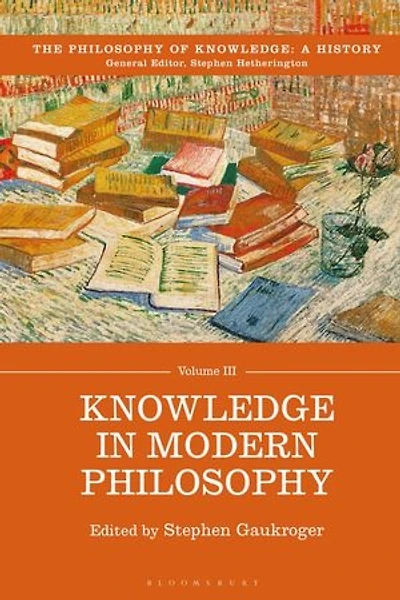








Find at Prairie Mall in Grande Prairie, AB
Visit at Prairie Mall in Grande Prairie, AB