


Gifting Made Simple
Give the Gift of ChoiceClick below to purchase a Prairie Mall eGift Card that can be used at participating retailers at Prairie Mall.Buy Gift CardHome
Humanitarianism from Below: Faith, Welfare, and the Role of Casas de Migrantes Mexico
Coles
Loading Inventory...
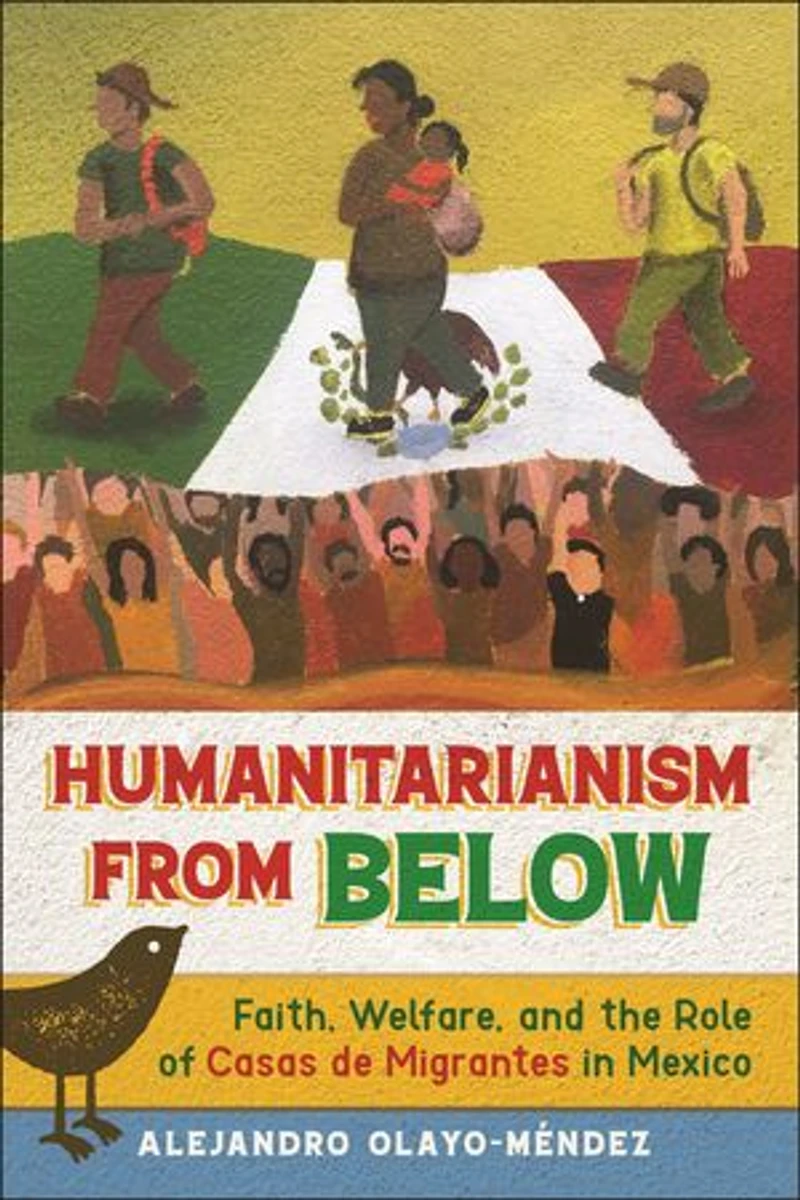
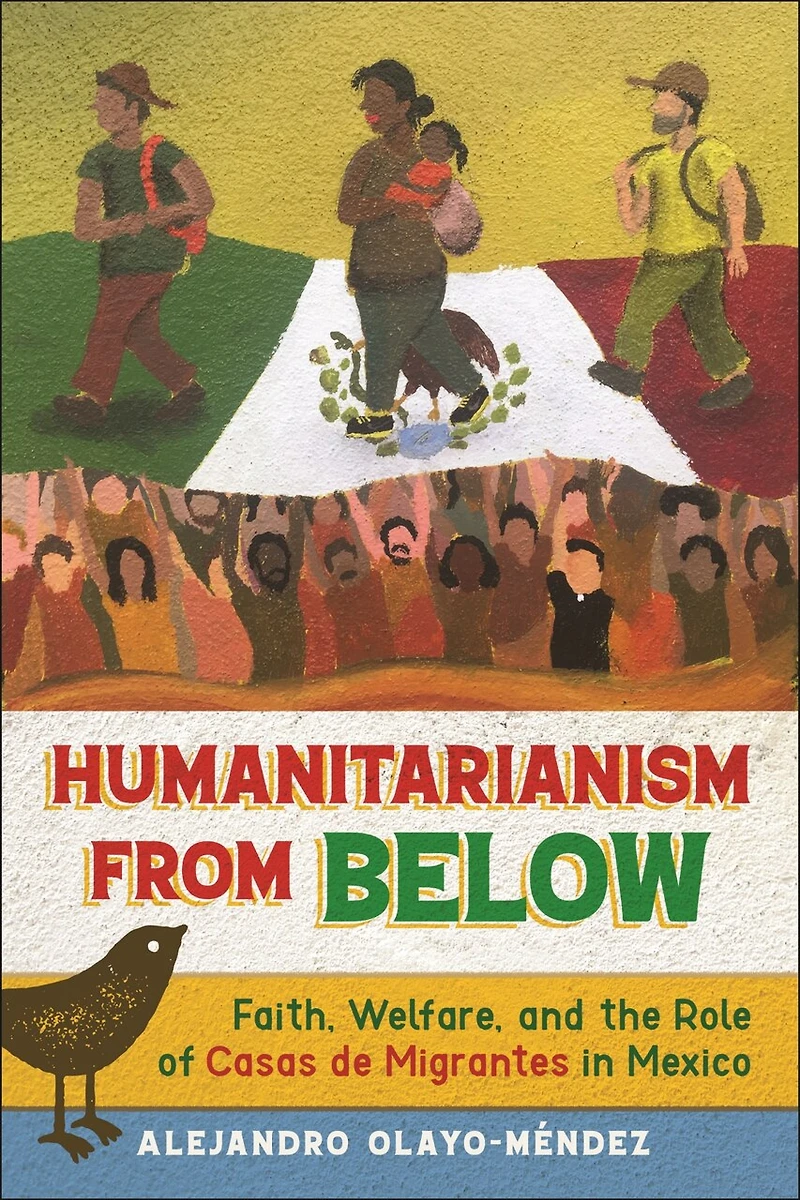
Humanitarianism from Below: Faith, Welfare, and the Role of Casas de Migrantes Mexico in Grande Prairie, AB
Current price: $22.89
Original price: $28.50
Coles
Humanitarianism from Below: Faith, Welfare, and the Role of Casas de Migrantes Mexico in Grande Prairie, AB
Current price: $22.89
Original price: $28.50
Loading Inventory...
Size: Kobo eBook
*Product information and pricing may vary - to confirm current pricing, availability, shipping, and return information please contact Coles. In the event of a pricing discrepancy, the retailer's price will apply.
Challenges our understanding of what counts as humanitarian aid by focusing on faith-based migrant shelters across Mexico
Aside from being one of the most important migration corridors in the world, Mexico is becoming an immigrant destination itself, with more and more migrants deciding or needing to stay in the country after failing to enter the United States. In the absence of state aid, migrant shelters have emerged as an informal welfare system for migrants, asylum seekers, refugees, and deportees in Mexico. Largely run by faith-based humanitarian organizations, these shelters have grown significantly in recent years.
Humanitarianism from Below examines the significance of these casas de migrantes (migrant shelters) in the migration process in Mexico. The book also reviews the role of faith-based humanitarian organizations, whose engagement with migrants is perceived more as charity work than professional humanitarian work. The volume argues that faith-based humanitarian organizations? work challenges traditional understandings of what counts as humanitarian aid. It makes the case that in order to understand the full ecology of migration, we need to understand not only how large organizations like the Red Cross work, but also how these smaller and local entities with fewer resources interact with migrants on their journeys. Most migration research tends to focus on its impact within home countries or in destination contexts, rarely focusing on the actual migration process, including the interactions that influence the course of the migration journey itself. In conducting this research, Alejandro Olayo-Méndez traveled along migrant routes several times in order to gain knowledge about how migrants move and how they interact with the migrant shelters. He offers a detailed look at the experiences and challenges of casas de migrantes in Mexico, situating these faith-based shelters as an integral part of Mexico?s humanitarian ecosystem.
Challenges our understanding of what counts as humanitarian aid by focusing on faith-based migrant shelters across Mexico
Aside from being one of the most important migration corridors in the world, Mexico is becoming an immigrant destination itself, with more and more migrants deciding or needing to stay in the country after failing to enter the United States. In the absence of state aid, migrant shelters have emerged as an informal welfare system for migrants, asylum seekers, refugees, and deportees in Mexico. Largely run by faith-based humanitarian organizations, these shelters have grown significantly in recent years.
Humanitarianism from Below examines the significance of these casas de migrantes (migrant shelters) in the migration process in Mexico. The book also reviews the role of faith-based humanitarian organizations, whose engagement with migrants is perceived more as charity work than professional humanitarian work. The volume argues that faith-based humanitarian organizations? work challenges traditional understandings of what counts as humanitarian aid. It makes the case that in order to understand the full ecology of migration, we need to understand not only how large organizations like the Red Cross work, but also how these smaller and local entities with fewer resources interact with migrants on their journeys. Most migration research tends to focus on its impact within home countries or in destination contexts, rarely focusing on the actual migration process, including the interactions that influence the course of the migration journey itself. In conducting this research, Alejandro Olayo-Méndez traveled along migrant routes several times in order to gain knowledge about how migrants move and how they interact with the migrant shelters. He offers a detailed look at the experiences and challenges of casas de migrantes in Mexico, situating these faith-based shelters as an integral part of Mexico?s humanitarian ecosystem.












Find at Prairie Mall in Grande Prairie, AB
Visit at Prairie Mall in Grande Prairie, AB