


Gifting Made Simple
Give the Gift of ChoiceClick below to purchase a Prairie Mall eGift Card that can be used at participating retailers at Prairie Mall.Buy Gift CardHome
How the Other Half Ate: A History of Working-Class Meals at Turn Century
Coles
Loading Inventory...

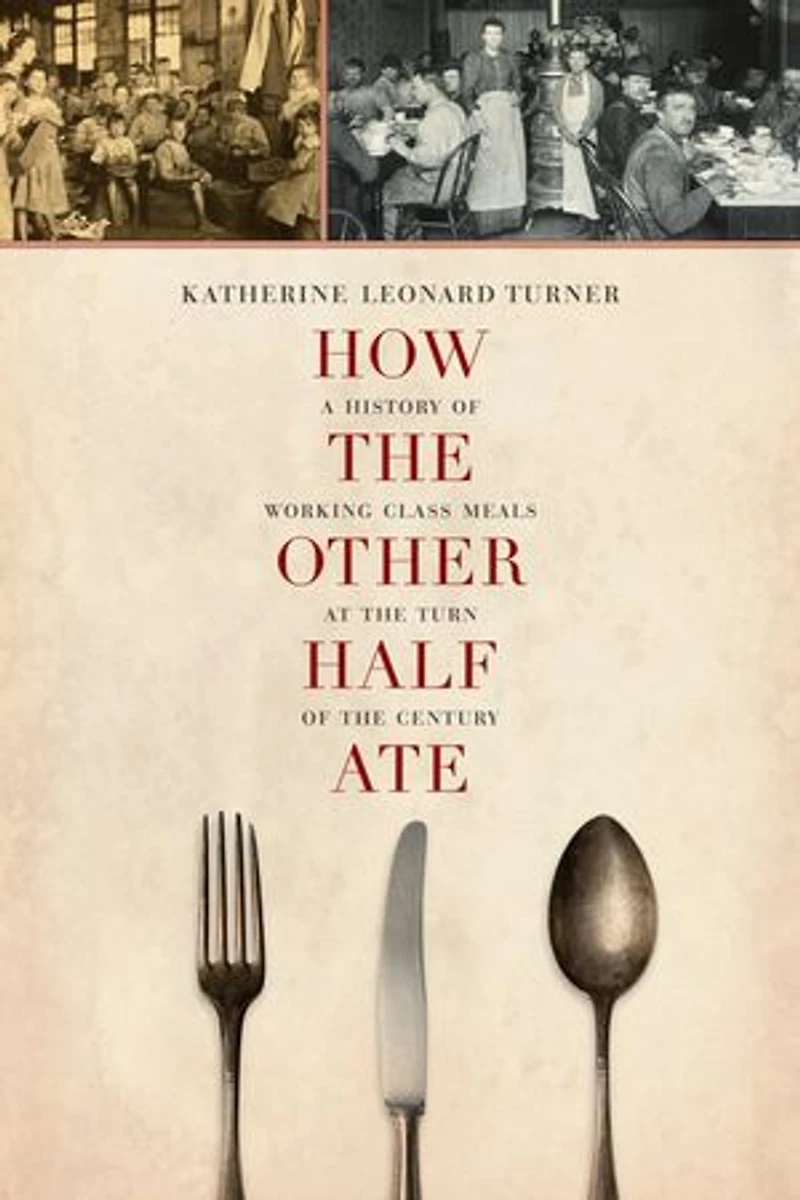
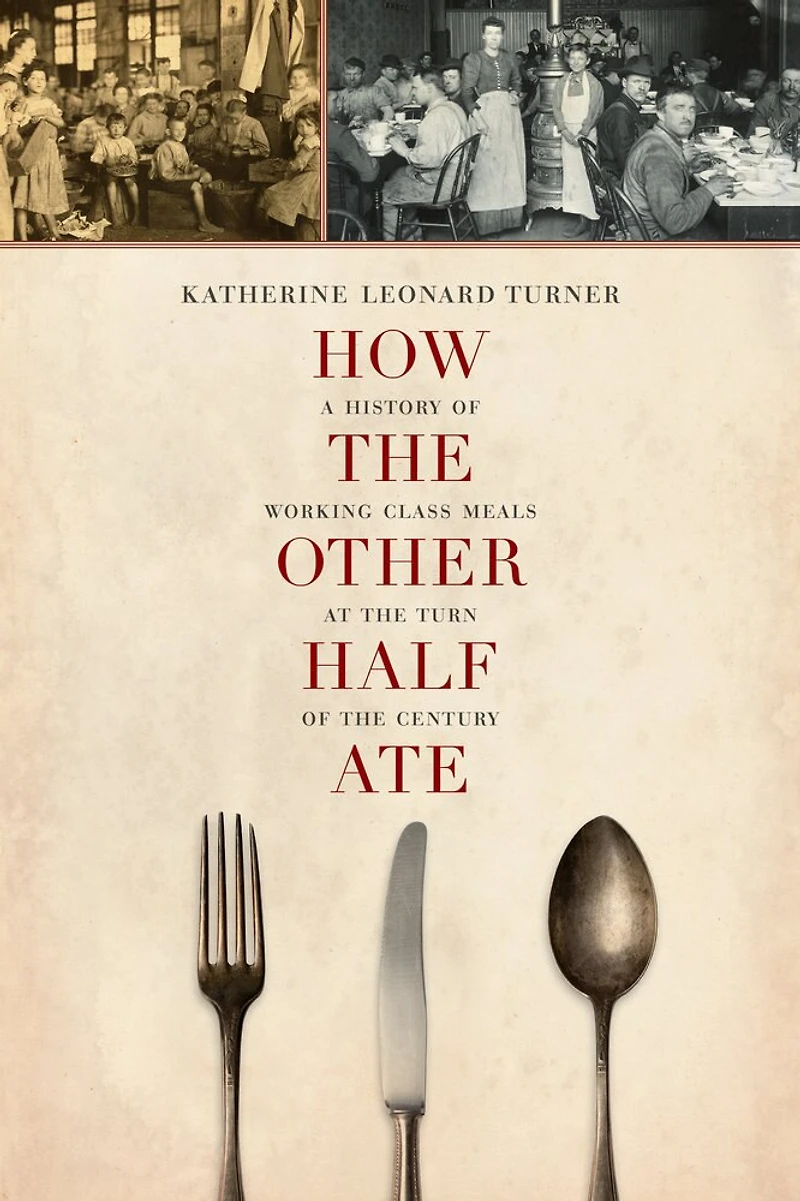
How the Other Half Ate: A History of Working-Class Meals at Turn Century in Grande Prairie, AB
Current price: $122.46
Coles
How the Other Half Ate: A History of Working-Class Meals at Turn Century in Grande Prairie, AB
Current price: $122.46
Loading Inventory...
Size: Hardcover
*Product information and pricing may vary - to confirm current pricing, availability, shipping, and return information please contact Coles. In the event of a pricing discrepancy, the retailer's price will apply.
In the late nineteenth and early twentieth centuries, working-class Americans had eating habits that were distinctly shaped by jobs, families, neighborhoods, and the tools, utilities, and size of their kitchens—along with their cultural heritage. How the Other Half Ate is a deep exploration by historian and lecturer Katherine Turner that delivers an unprecedented and thoroughly researched study of the changing food landscape in American working-class families from industrialization through the 1950s.
Relevant to readers across a range of disciplines—history, economics, sociology, urban studies, women’s studies, and food studies—this work fills an important gap in historical literature by illustrating how families experienced food and cooking during the so-called age of abundance. Turner delivers an engaging portrait that shows how America’s working class, in a multitude of ways, has shaped the foods we eat today.
In the late nineteenth and early twentieth centuries, working-class Americans had eating habits that were distinctly shaped by jobs, families, neighborhoods, and the tools, utilities, and size of their kitchens—along with their cultural heritage. How the Other Half Ate is a deep exploration by historian and lecturer Katherine Turner that delivers an unprecedented and thoroughly researched study of the changing food landscape in American working-class families from industrialization through the 1950s.
Relevant to readers across a range of disciplines—history, economics, sociology, urban studies, women’s studies, and food studies—this work fills an important gap in historical literature by illustrating how families experienced food and cooking during the so-called age of abundance. Turner delivers an engaging portrait that shows how America’s working class, in a multitude of ways, has shaped the foods we eat today.
You May Also Like


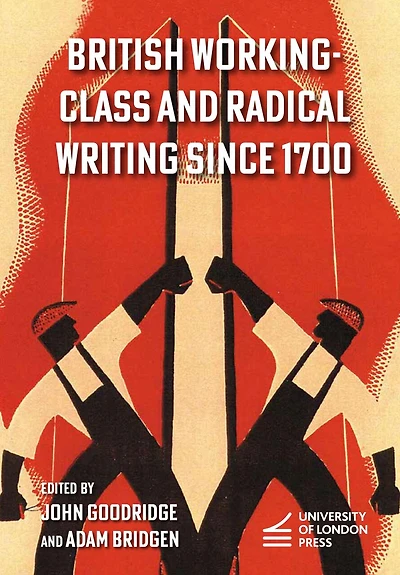










Find at Prairie Mall in Grande Prairie, AB
Visit at Prairie Mall in Grande Prairie, AB