


Gifting Made Simple
Give the Gift of ChoiceClick below to purchase a Prairie Mall eGift Card that can be used at participating retailers at Prairie Mall.Buy Gift CardHome
How Students Come to Be, Know, and Do: a Case for Broad View of Learning
Coles
Loading Inventory...
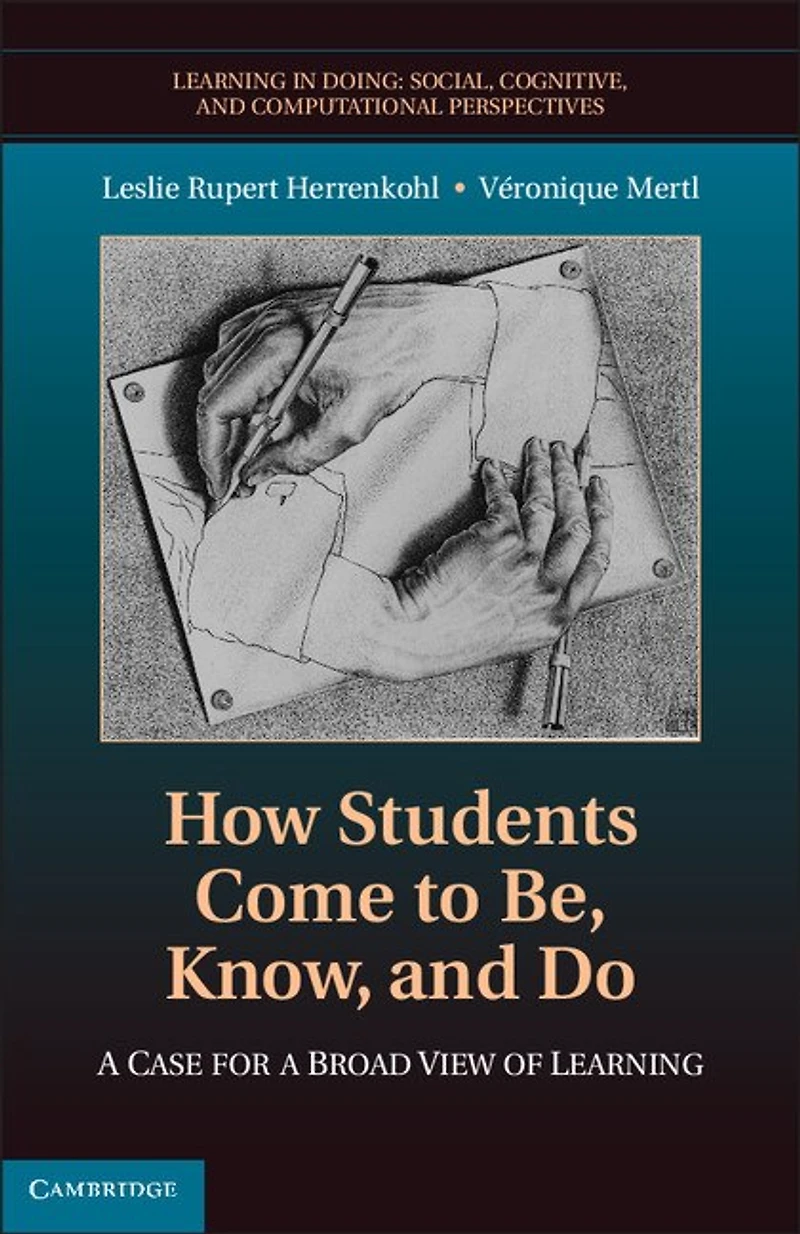
How Students Come to Be, Know, and Do: a Case for Broad View of Learning in Grande Prairie, AB
Current price: $166.95
Coles
How Students Come to Be, Know, and Do: a Case for Broad View of Learning in Grande Prairie, AB
Current price: $166.95
Loading Inventory...
Size: Hardcover
*Product information and pricing may vary - to confirm current pricing, availability, shipping, and return information please contact Coles. In the event of a pricing discrepancy, the retailer's price will apply.
Studies of learning are too frequently conceptualized only in terms of knowledge development. Yet it is vital to pay close attention to the social and emotional aspects of learning in order to understand why and how it occurs. How Students Come to Be, Know, and Do builds a theoretical argument for and a methodological approach to studying learning in a holistic way. The authors provide examples of urban fourth graders from diverse cultural and linguistic backgrounds studying science as a way to illustrate how this model contributes to a more complete and complex understanding of learning in school settings. What makes this book unique is its insistence that to fully understand human learning we have to consider the affective-volitional processes of learning along with the more familiar emphasis on knowledge and skills. Developing interest, persisting in the face of difficulty, actively listening to others’ ideas, accepting and responding to feedback, and challenging ideas are crucial dimensions of students’ experiences that are often ignored.
Studies of learning are too frequently conceptualized only in terms of knowledge development. Yet it is vital to pay close attention to the social and emotional aspects of learning in order to understand why and how it occurs. How Students Come to Be, Know, and Do builds a theoretical argument for and a methodological approach to studying learning in a holistic way. The authors provide examples of urban fourth graders from diverse cultural and linguistic backgrounds studying science as a way to illustrate how this model contributes to a more complete and complex understanding of learning in school settings. What makes this book unique is its insistence that to fully understand human learning we have to consider the affective-volitional processes of learning along with the more familiar emphasis on knowledge and skills. Developing interest, persisting in the face of difficulty, actively listening to others’ ideas, accepting and responding to feedback, and challenging ideas are crucial dimensions of students’ experiences that are often ignored.
You May Also Like
















Find at Prairie Mall in Grande Prairie, AB
Visit at Prairie Mall in Grande Prairie, AB