


Gifting Made Simple
Give the Gift of ChoiceClick below to purchase a Prairie Mall eGift Card that can be used at participating retailers at Prairie Mall.Buy Gift CardHome
How People Respond to Violence: Everyday Peace and the Maoist Conflict in India
Coles
Loading Inventory...
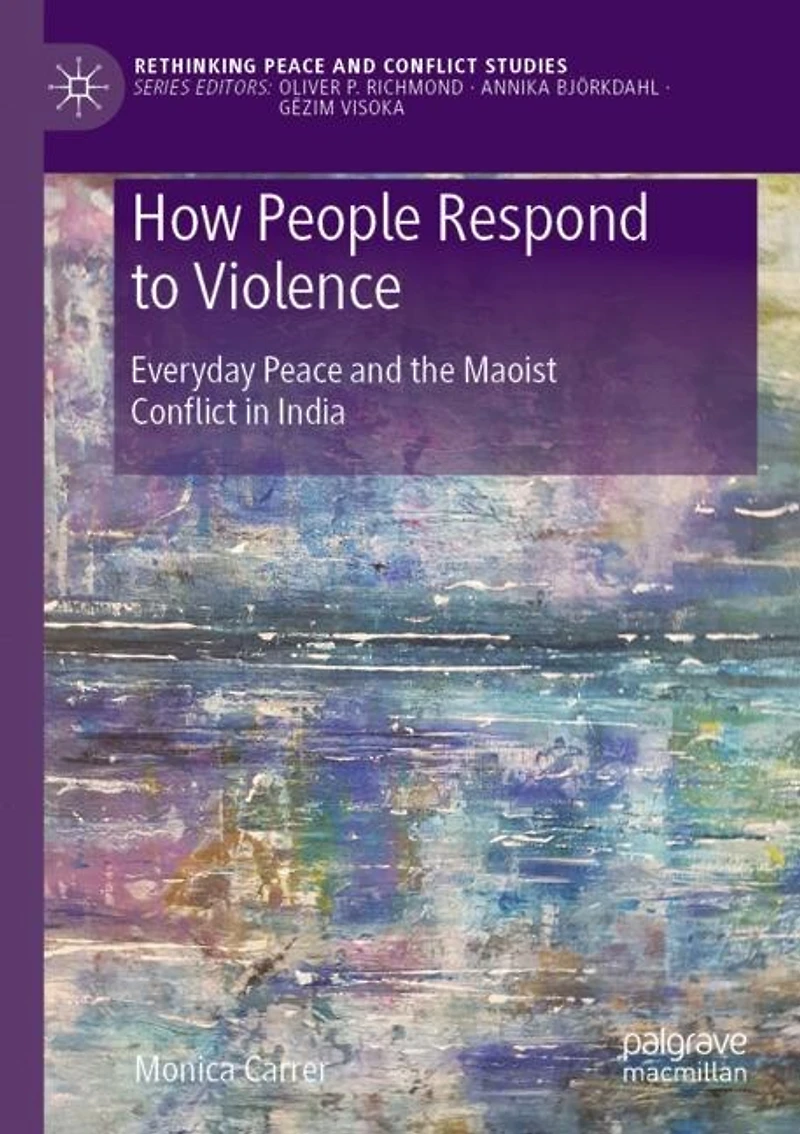
How People Respond to Violence: Everyday Peace and the Maoist Conflict in India in Grande Prairie, AB
Current price: $160.95
Coles
How People Respond to Violence: Everyday Peace and the Maoist Conflict in India in Grande Prairie, AB
Current price: $160.95
Loading Inventory...
Size: Paperback
*Product information and pricing may vary - to confirm current pricing, availability, shipping, and return information please contact Coles. In the event of a pricing discrepancy, the retailer's price will apply.
This book explores the powerful role of ordinary people's agency in times of violent conflict. Drawing on extensive fieldwork and a Critical Discourse Analysis, the author draws out the motivations, drivers and strategies at individual and community levels. With a focus on people's own voices, this research highlights rich findings showing a wide range of experiences and actions that people engaged in during the violent conflict, and dimensions that are often missed in dominant explanations of violent conflict. Therefore, while looking at peace and conflict from an everyday perspective, the question of power and the meaning of peace knowledge become central. This monograph addresses the power of people's agency not only in shaping the politics and dynamics of violence, but also in redefining what 'peace' and 'change' ought to look like. Essential reading for researchers and students of Peace and Conflict Studies, and also International Relations, Security Studies, Resistance Studies, Anthropology, Politics, International Development.
This book explores the powerful role of ordinary people's agency in times of violent conflict. Drawing on extensive fieldwork and a Critical Discourse Analysis, the author draws out the motivations, drivers and strategies at individual and community levels. With a focus on people's own voices, this research highlights rich findings showing a wide range of experiences and actions that people engaged in during the violent conflict, and dimensions that are often missed in dominant explanations of violent conflict. Therefore, while looking at peace and conflict from an everyday perspective, the question of power and the meaning of peace knowledge become central. This monograph addresses the power of people's agency not only in shaping the politics and dynamics of violence, but also in redefining what 'peace' and 'change' ought to look like. Essential reading for researchers and students of Peace and Conflict Studies, and also International Relations, Security Studies, Resistance Studies, Anthropology, Politics, International Development.
You May Also Like








Find at Prairie Mall in Grande Prairie, AB
Visit at Prairie Mall in Grande Prairie, AB