


Gifting Made Simple
Give the Gift of ChoiceClick below to purchase a Prairie Mall eGift Card that can be used at participating retailers at Prairie Mall.Buy Gift CardHome
How Judges Judge: Empirical Insights into Judicial Decision-Making
Coles
Loading Inventory...
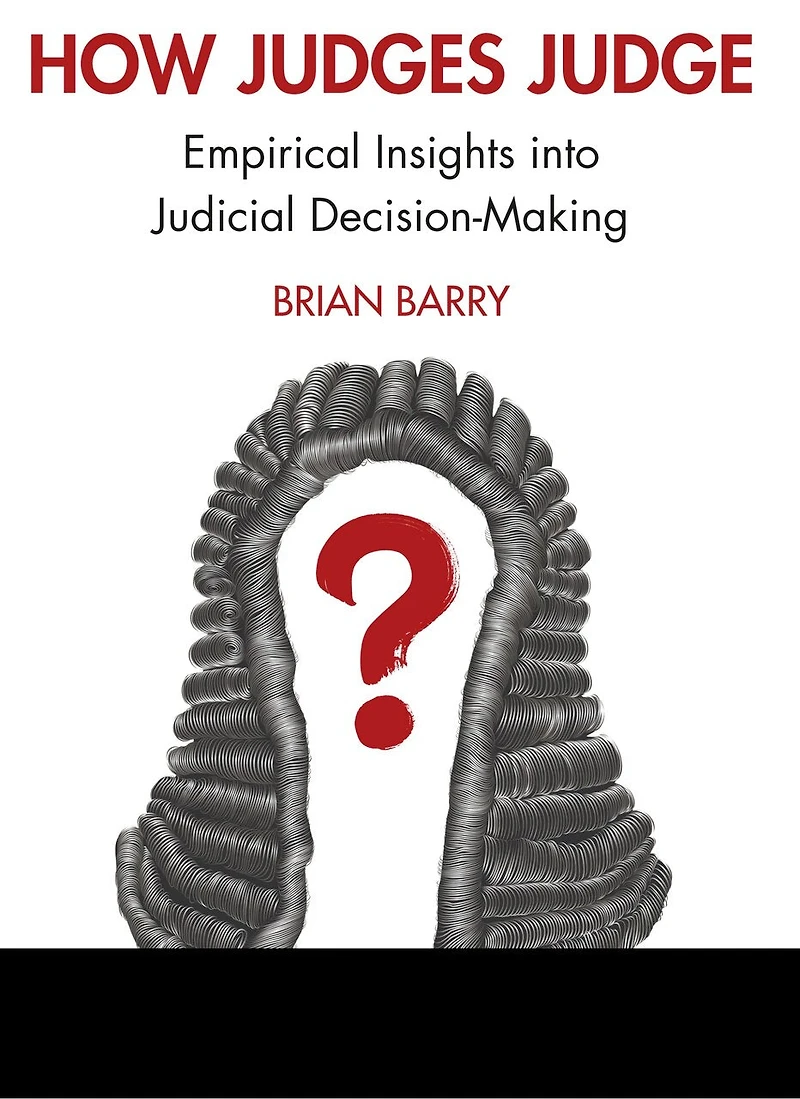
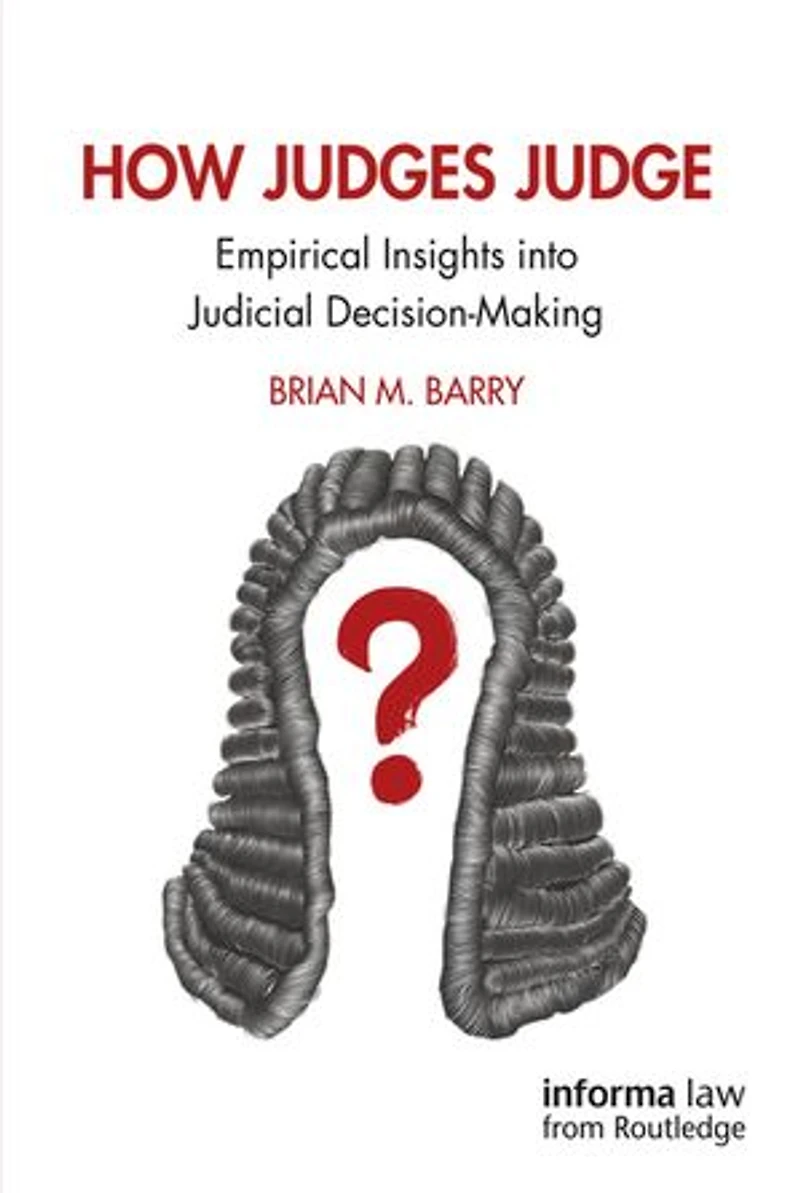
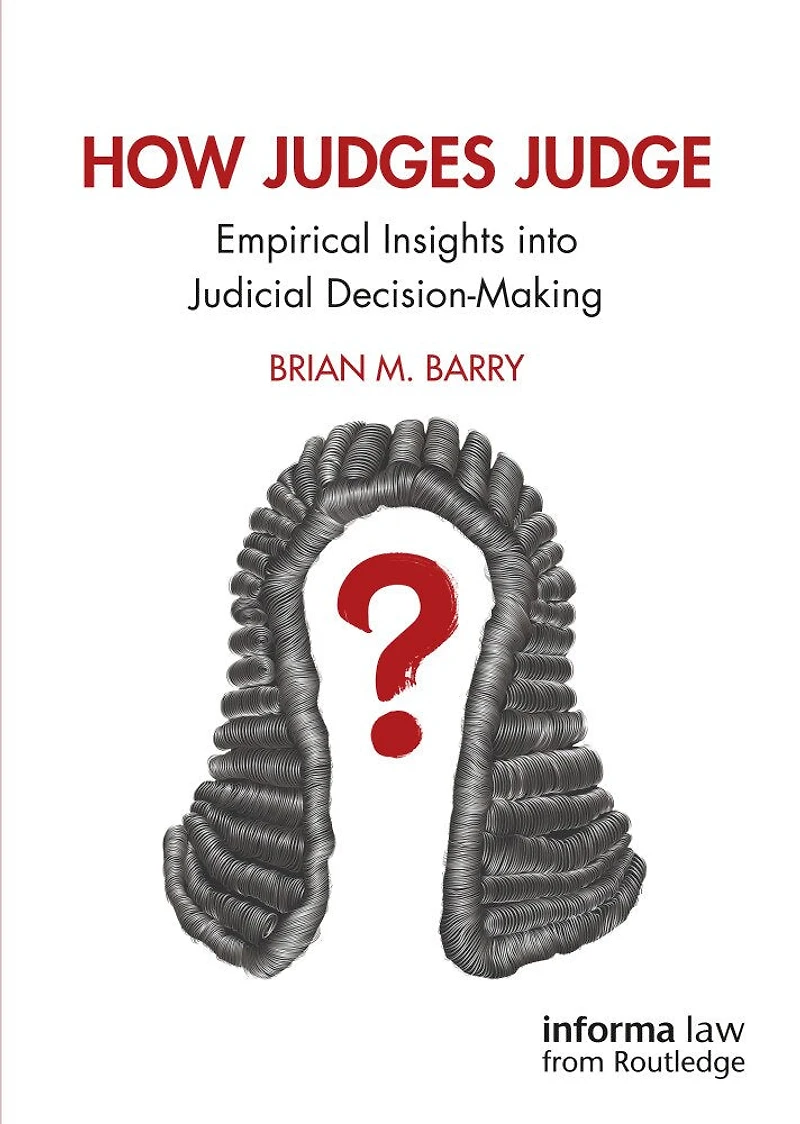
How Judges Judge: Empirical Insights into Judicial Decision-Making in Grande Prairie, AB
Current price: $414.50
Coles
How Judges Judge: Empirical Insights into Judicial Decision-Making in Grande Prairie, AB
Current price: $414.50
Loading Inventory...
Size: Hardcover
*Product information and pricing may vary - to confirm current pricing, availability, shipping, and return information please contact Coles. In the event of a pricing discrepancy, the retailer's price will apply.
A judge's role is to make decisions. This book is about how judges undertake this task. It is about forces on the judicial role and their consequences, about empirical research from a variety of academic disciplines that observes and verifies how factors can affect how judges judge. On the one hand, judges decide by interpreting and applying the law, but much more affects judicial decision-making: psychological effects, group dynamics, numerical reasoning, biases, court processes, influences from political and other institutions, and technological advancement. All can have a bearing on judicial outcomes. In How Judges Judge: Empirical Insights into Judicial Decision-Making , Brian M. Barry explores how these factors, beyond the law, affect judges in their role. Case examples, judicial rulings, judges' own self-reflections on their role and accounts from legal history complement this analysis to contextualise the research, make it more accessible and enrich the reader's understanding and appreciation of judicial decision-making. Offering research-based insights into how judges make the decisions that can impact daily life and societies around the globe, this book will be of interest to practising and training judges, litigation lawyers and those studying law and related disciplines.
A judge's role is to make decisions. This book is about how judges undertake this task. It is about forces on the judicial role and their consequences, about empirical research from a variety of academic disciplines that observes and verifies how factors can affect how judges judge. On the one hand, judges decide by interpreting and applying the law, but much more affects judicial decision-making: psychological effects, group dynamics, numerical reasoning, biases, court processes, influences from political and other institutions, and technological advancement. All can have a bearing on judicial outcomes. In How Judges Judge: Empirical Insights into Judicial Decision-Making , Brian M. Barry explores how these factors, beyond the law, affect judges in their role. Case examples, judicial rulings, judges' own self-reflections on their role and accounts from legal history complement this analysis to contextualise the research, make it more accessible and enrich the reader's understanding and appreciation of judicial decision-making. Offering research-based insights into how judges make the decisions that can impact daily life and societies around the globe, this book will be of interest to practising and training judges, litigation lawyers and those studying law and related disciplines.










Find at Prairie Mall in Grande Prairie, AB
Visit at Prairie Mall in Grande Prairie, AB