


Gifting Made Simple
Give the Gift of ChoiceClick below to purchase a Prairie Mall eGift Card that can be used at participating retailers at Prairie Mall.Buy Gift CardHome
How History Made the Mind: The Cultural Origins of Objective Thinking
Coles
Loading Inventory...
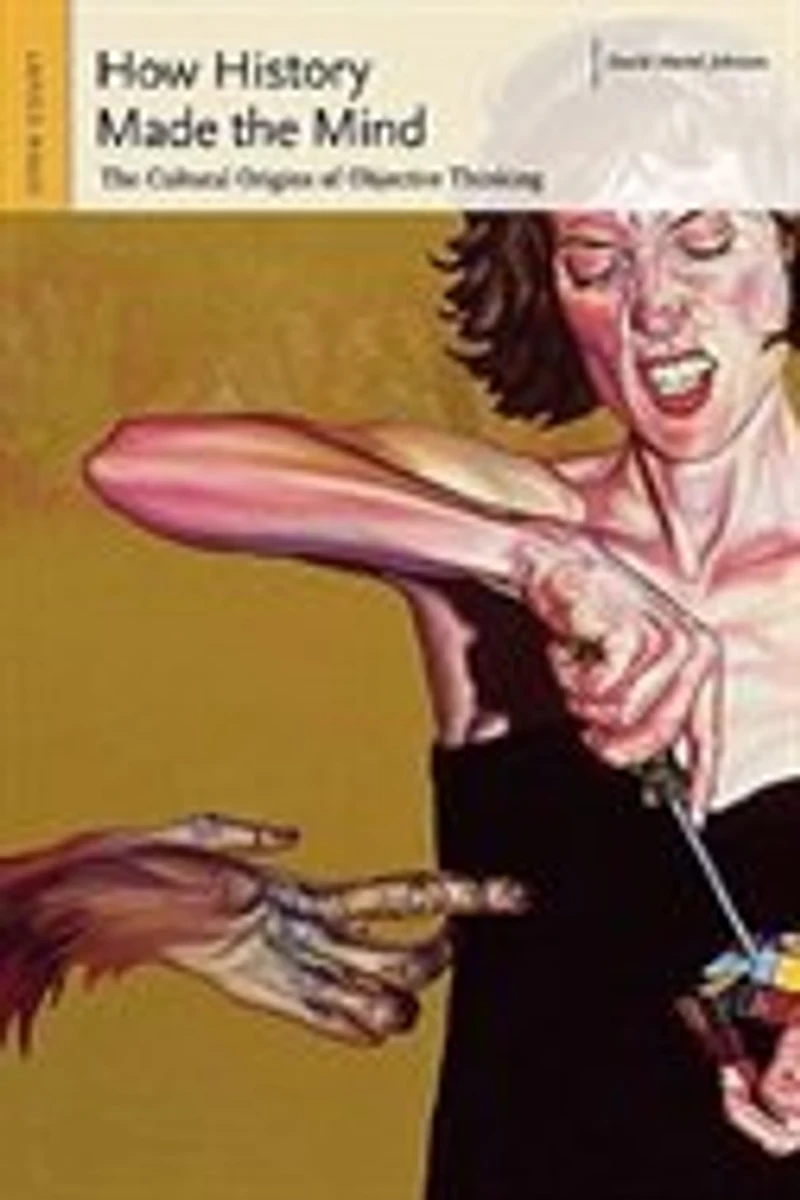
How History Made the Mind: The Cultural Origins of Objective Thinking in Grande Prairie, AB
Current price: $49.50
Coles
How History Made the Mind: The Cultural Origins of Objective Thinking in Grande Prairie, AB
Current price: $49.50
Loading Inventory...
Size: Paperback
*Product information and pricing may vary - to confirm current pricing, availability, shipping, and return information please contact Coles. In the event of a pricing discrepancy, the retailer's price will apply.
How History Made the Mind, David Martel Johnson argues that what we now think of as "reason" or "objective thinking" is not a natural product of the existence of an enlarged brain or culmination of innate biological tendencies. Rather, it is a way of learning to use the brain that runs counter to the natural characteristics involved in being an animal, a mammal, and a primate. Johnson defends his theory of mind as a cultural artifact against objections, and uses it to question a number of currently fashionable positions in philosophy of mind, known theories of Julian Jaynes, which Johnson argues go too far in the direction of emphasizing the dissimilarities between ancient and modern ways of thinking.
How History Made the Mind, David Martel Johnson argues that what we now think of as "reason" or "objective thinking" is not a natural product of the existence of an enlarged brain or culmination of innate biological tendencies. Rather, it is a way of learning to use the brain that runs counter to the natural characteristics involved in being an animal, a mammal, and a primate. Johnson defends his theory of mind as a cultural artifact against objections, and uses it to question a number of currently fashionable positions in philosophy of mind, known theories of Julian Jaynes, which Johnson argues go too far in the direction of emphasizing the dissimilarities between ancient and modern ways of thinking.
You May Also Like








Find at Prairie Mall in Grande Prairie, AB
Visit at Prairie Mall in Grande Prairie, AB