


Gifting Made Simple
Give the Gift of ChoiceClick below to purchase a Prairie Mall eGift Card that can be used at participating retailers at Prairie Mall.Buy Gift CardHome
How Cambodia Survived the Killing Fields: From International Pawn to Contemporary Quest for Stability
Coles
Loading Inventory...
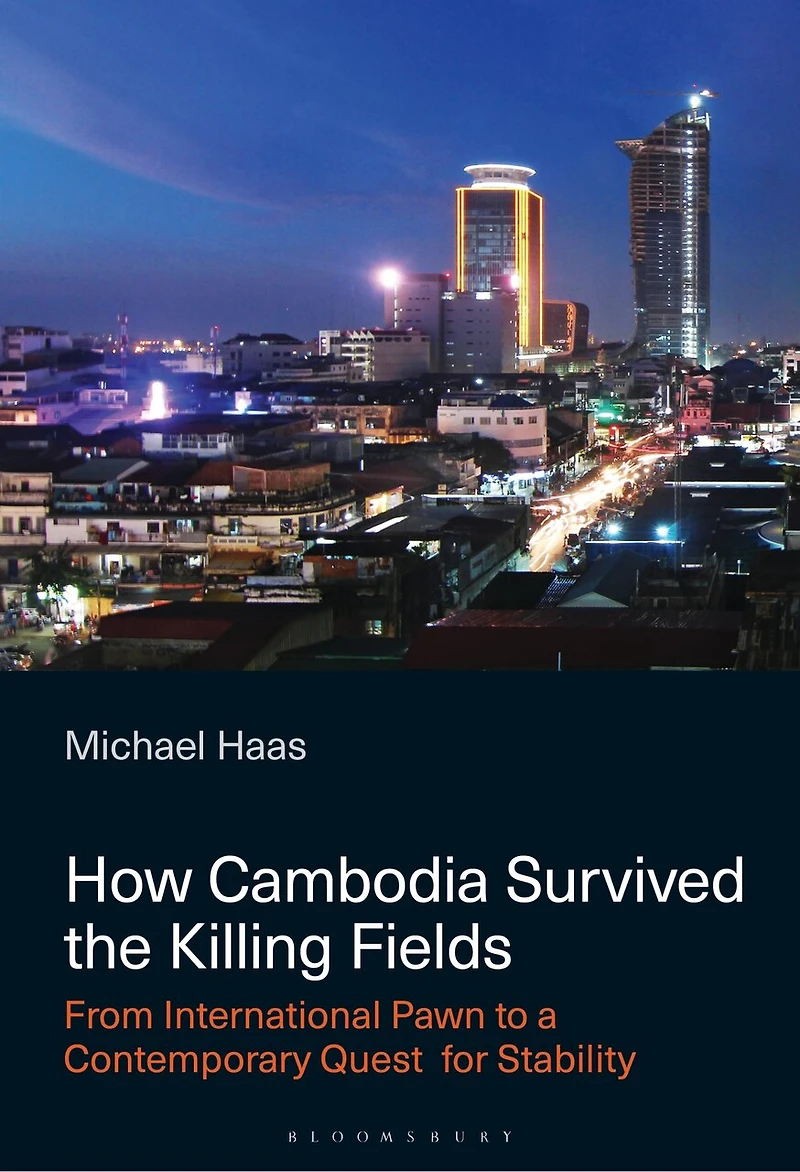
How Cambodia Survived the Killing Fields: From International Pawn to Contemporary Quest for Stability in Grande Prairie, AB
Current price: $160.95
Coles
How Cambodia Survived the Killing Fields: From International Pawn to Contemporary Quest for Stability in Grande Prairie, AB
Current price: $160.95
Loading Inventory...
Size: Hardcover
*Product information and pricing may vary - to confirm current pricing, availability, shipping, and return information please contact Coles. In the event of a pricing discrepancy, the retailer's price will apply.
Weaving a critique of major power intervention into political history, this book provides a comprehensive overview of Cambodia from 1953 to the present. Since gaining its independence in 1953, Cambodia has been treated as a pawn by more powerful countries. China, Vietnam, the United Nations, and especially the United States have played a role in shaping Cambodia's history, from propping up the Khmer Rouge regime to restricting its economic opportunities. Michael Haas has been deeply and personally involved in many aspects of the recent history of the country, and his research uncovers details of 20th-century US realpolitik such as Lyndon Johnson's indiscriminate bombing of Cambodia during the Vietnam War, US funding of the Khmer Rouge in the 1980s, and the Unites States' surrender of economic control to China since the 1990s. In an era of increasing great power competition in Southeast Asia, Cambodia is a case study long overdue for reassessment.
Weaving a critique of major power intervention into political history, this book provides a comprehensive overview of Cambodia from 1953 to the present. Since gaining its independence in 1953, Cambodia has been treated as a pawn by more powerful countries. China, Vietnam, the United Nations, and especially the United States have played a role in shaping Cambodia's history, from propping up the Khmer Rouge regime to restricting its economic opportunities. Michael Haas has been deeply and personally involved in many aspects of the recent history of the country, and his research uncovers details of 20th-century US realpolitik such as Lyndon Johnson's indiscriminate bombing of Cambodia during the Vietnam War, US funding of the Khmer Rouge in the 1980s, and the Unites States' surrender of economic control to China since the 1990s. In an era of increasing great power competition in Southeast Asia, Cambodia is a case study long overdue for reassessment.
You May Also Like
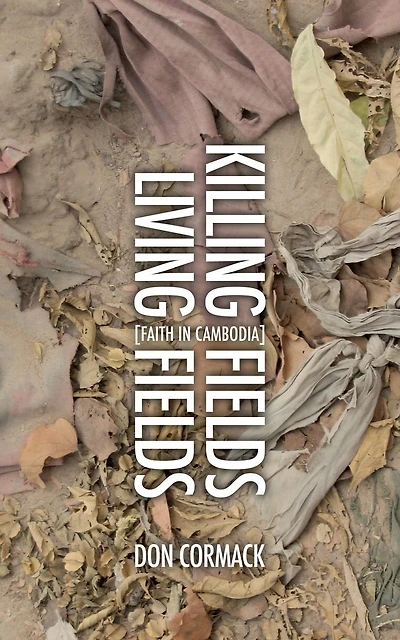
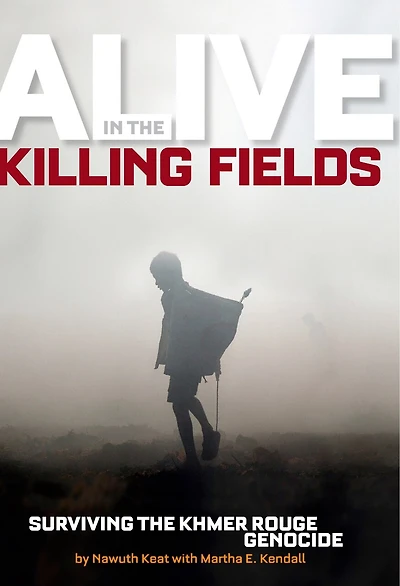









Find at Prairie Mall in Grande Prairie, AB
Visit at Prairie Mall in Grande Prairie, AB