


Gifting Made Simple
Give the Gift of ChoiceClick below to purchase a Prairie Mall eGift Card that can be used at participating retailers at Prairie Mall.Buy Gift CardHome
Homeric Imagery and the Natural Environment
Coles
Loading Inventory...
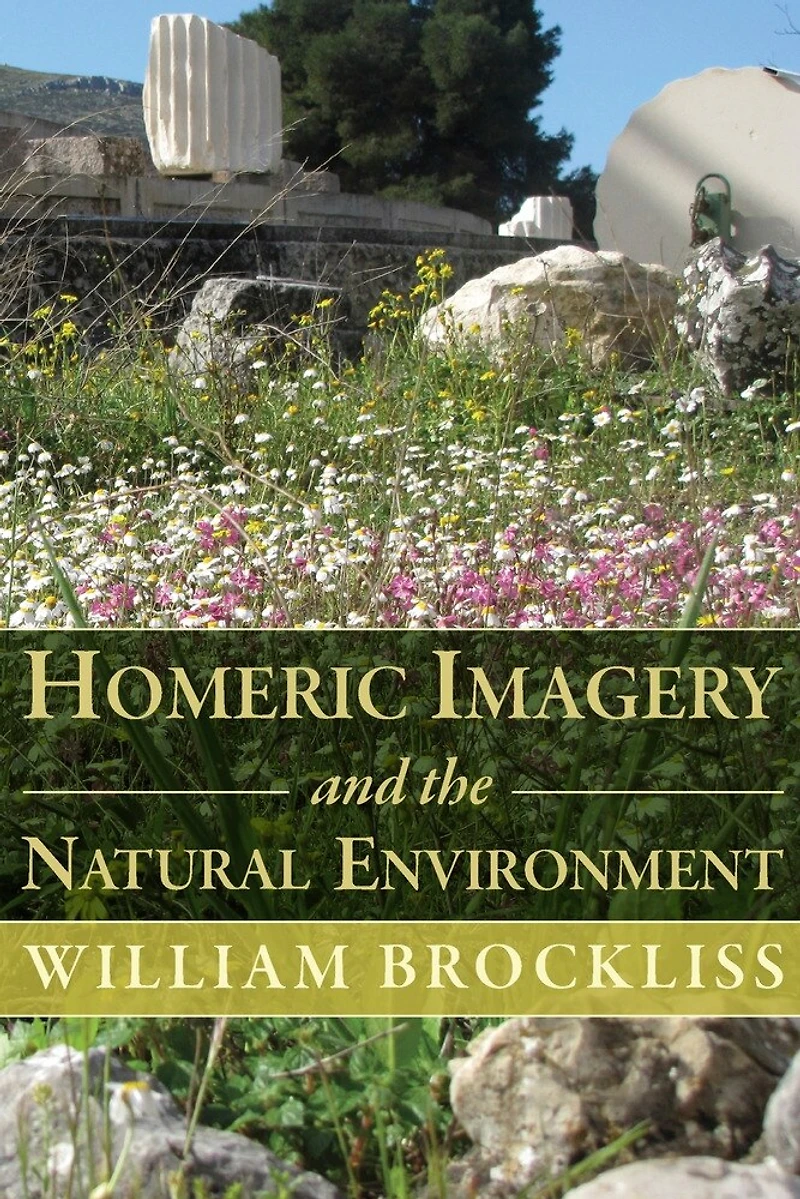
Homeric Imagery and the Natural Environment in Grande Prairie, AB
Current price: $38.00
Coles
Homeric Imagery and the Natural Environment in Grande Prairie, AB
Current price: $38.00
Loading Inventory...
Size: Paperback
*Product information and pricing may vary - to confirm current pricing, availability, shipping, and return information please contact Coles. In the event of a pricing discrepancy, the retailer's price will apply.
Responding to George Lakoff’s and Mark Johnson’s analysis of metaphor, William Brockliss explores the Homeric poets’ use of concrete concepts drawn from the Greek natural environment to aid their audiences’ understanding of abstract concepts. In particular, he considers Homeric images that associate flowers with the concepts of deception, disorder, and death, and examines the ways in which the poets engage with natural phenomena such as the brief, diverse blooms of the Greek spring.
Taken together, such Homeric images present a more pessimistic depiction of the human condition than we find in the vegetal imagery of other archaic Greek genres. While lyric poets drew on floral imagery to emphasize the beauty of the beloved, the Homeric poets used images of flowers to explore the potentially deceptive qualities of bodies adorned for seduction. Where the Hesiodic poets employed vegetal images to depict the stable structure of the cosmos, the Homeric poets set arboreal imagery of good order against floral images suggestive of challenges or changes to orderliness. And while the elegiac poets celebrated the brief “flower of youth,” the Homeric poets created floral images reminiscent of Hesiodic monsters, and thereby helped audiences to imagine the monstrous otherness of death.
Responding to George Lakoff’s and Mark Johnson’s analysis of metaphor, William Brockliss explores the Homeric poets’ use of concrete concepts drawn from the Greek natural environment to aid their audiences’ understanding of abstract concepts. In particular, he considers Homeric images that associate flowers with the concepts of deception, disorder, and death, and examines the ways in which the poets engage with natural phenomena such as the brief, diverse blooms of the Greek spring.
Taken together, such Homeric images present a more pessimistic depiction of the human condition than we find in the vegetal imagery of other archaic Greek genres. While lyric poets drew on floral imagery to emphasize the beauty of the beloved, the Homeric poets used images of flowers to explore the potentially deceptive qualities of bodies adorned for seduction. Where the Hesiodic poets employed vegetal images to depict the stable structure of the cosmos, the Homeric poets set arboreal imagery of good order against floral images suggestive of challenges or changes to orderliness. And while the elegiac poets celebrated the brief “flower of youth,” the Homeric poets created floral images reminiscent of Hesiodic monsters, and thereby helped audiences to imagine the monstrous otherness of death.
You May Also Like















Find at Prairie Mall in Grande Prairie, AB
Visit at Prairie Mall in Grande Prairie, AB