


Gifting Made Simple
Give the Gift of ChoiceClick below to purchase a Prairie Mall eGift Card that can be used at participating retailers at Prairie Mall.Buy Gift CardHome
Holy Other: Anti-Catholic Bias from the Protestant Reformation to its Influence on American Political Discourse
Coles
Loading Inventory...
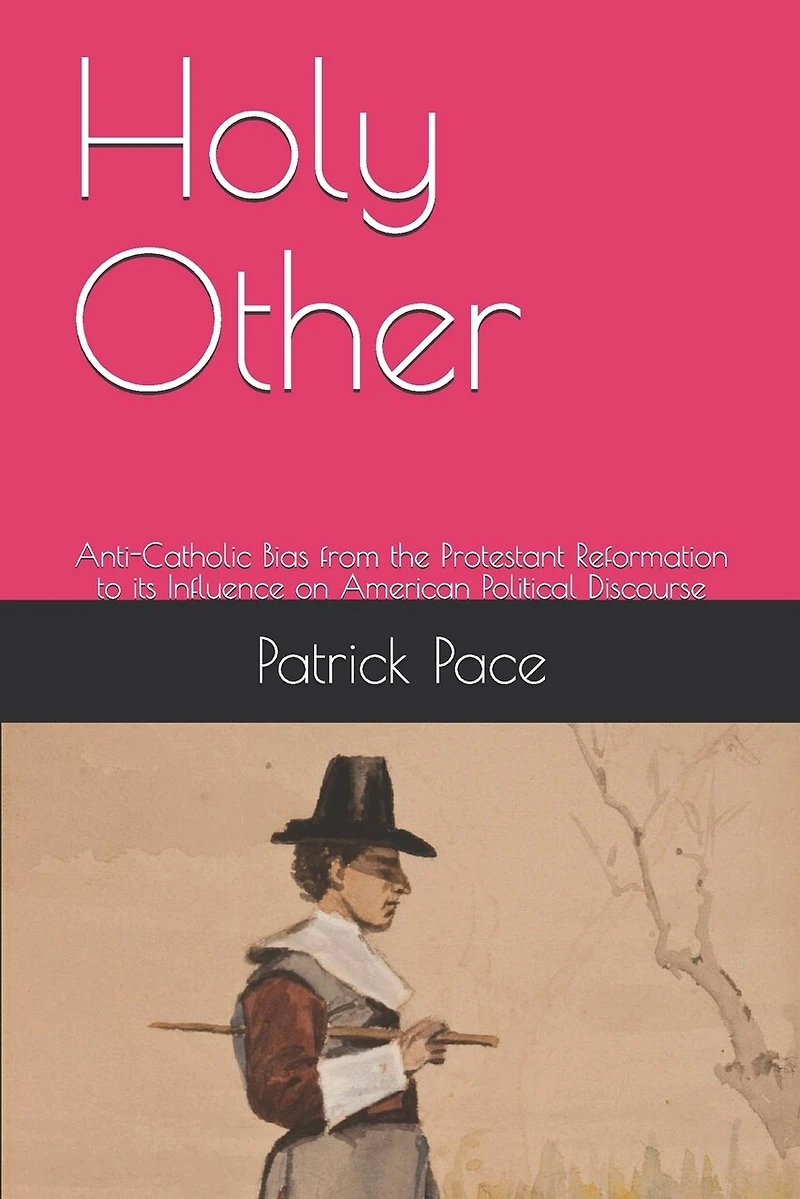
Holy Other: Anti-Catholic Bias from the Protestant Reformation to its Influence on American Political Discourse in Grande Prairie, AB
Current price: $13.00
Coles
Holy Other: Anti-Catholic Bias from the Protestant Reformation to its Influence on American Political Discourse in Grande Prairie, AB
Current price: $13.00
Loading Inventory...
Size: Paperback
*Product information and pricing may vary - to confirm current pricing, availability, shipping, and return information please contact Coles. In the event of a pricing discrepancy, the retailer's price will apply.
Evidence of anti-Roman Catholic or anti-papist prejudice existed in the British American colonies from an early date. Anti-Catholic prejudices rested primarily on the view that the Roman pontiff was an analogue to a monarch, which the early Protestants to the American revolutionaries rejected in favor of religious and political autonomy. However, anti-Catholic biases extended beyond the unilateral patriarchy of Rome and encapsulated prejudices that included irrational cultural presuppositions regarding Catholic colonials and immigrants as being superstitious, slothful, and reprobate. Similar assumptions were echoed regarding subsequent immigrant communities throughout American history, spurring moments and movements of nationalism. Most notable among early nationalist groups was the infamous Know-Nothing party of the mid-nineteenth century which gave nativists political clout against immigrants and Catholics. In all forms of American nationalism, a plausible pathology is apparent in that anti-Catholic rhetoric often existed alongside other marginalizing narratives, though not always directly so, being addendum only to each iteration of nationalism. Despite the lack of direct transmission of one nationalist-set to another, anti-Catholic sentiments were kept alive through print media and Protestant Christian voices. When perceived threats and challenges arose against American sovereignty and personal liberties, anti-Catholic rhetoric often accompanied. What was central to American anti-Catholic belief was its favoritism of Protestantism. Early Protestant reformers, such as Martin Luther and John Calvin, forwarded papal suspicions, which would reach an ideological zenith within the nation's Puritan communities in the seventeenth and eighteenth centuries. By the time of the American Revolution, Enlightenment philosophies concerning rights and conscience were wed to the Puritan rooted Great Awakening zeal for pious individuality. These ideas provided the structure for the new nation. As a country all its own, the United States wrestled between cordial Protestant-Catholic relations and upsurges in polemical disagreement when social pressures like immigration arose. This book explores the tension between Catholics and comparable outlying groups and the American heirs of the Protestant Reformation. The aim of the book is to clarify the issues so that Americans will be cognizant of their biases and nationalism, so that a more compassionate nation might develop.
Evidence of anti-Roman Catholic or anti-papist prejudice existed in the British American colonies from an early date. Anti-Catholic prejudices rested primarily on the view that the Roman pontiff was an analogue to a monarch, which the early Protestants to the American revolutionaries rejected in favor of religious and political autonomy. However, anti-Catholic biases extended beyond the unilateral patriarchy of Rome and encapsulated prejudices that included irrational cultural presuppositions regarding Catholic colonials and immigrants as being superstitious, slothful, and reprobate. Similar assumptions were echoed regarding subsequent immigrant communities throughout American history, spurring moments and movements of nationalism. Most notable among early nationalist groups was the infamous Know-Nothing party of the mid-nineteenth century which gave nativists political clout against immigrants and Catholics. In all forms of American nationalism, a plausible pathology is apparent in that anti-Catholic rhetoric often existed alongside other marginalizing narratives, though not always directly so, being addendum only to each iteration of nationalism. Despite the lack of direct transmission of one nationalist-set to another, anti-Catholic sentiments were kept alive through print media and Protestant Christian voices. When perceived threats and challenges arose against American sovereignty and personal liberties, anti-Catholic rhetoric often accompanied. What was central to American anti-Catholic belief was its favoritism of Protestantism. Early Protestant reformers, such as Martin Luther and John Calvin, forwarded papal suspicions, which would reach an ideological zenith within the nation's Puritan communities in the seventeenth and eighteenth centuries. By the time of the American Revolution, Enlightenment philosophies concerning rights and conscience were wed to the Puritan rooted Great Awakening zeal for pious individuality. These ideas provided the structure for the new nation. As a country all its own, the United States wrestled between cordial Protestant-Catholic relations and upsurges in polemical disagreement when social pressures like immigration arose. This book explores the tension between Catholics and comparable outlying groups and the American heirs of the Protestant Reformation. The aim of the book is to clarify the issues so that Americans will be cognizant of their biases and nationalism, so that a more compassionate nation might develop.
You May Also Like










Find at Prairie Mall in Grande Prairie, AB
Visit at Prairie Mall in Grande Prairie, AB