


Gifting Made Simple
Give the Gift of ChoiceClick below to purchase a Prairie Mall eGift Card that can be used at participating retailers at Prairie Mall.Buy Gift CardHome
Histone Deacetylase Inhibitors Combinatorial Anticancer Therapy
Coles
Loading Inventory...
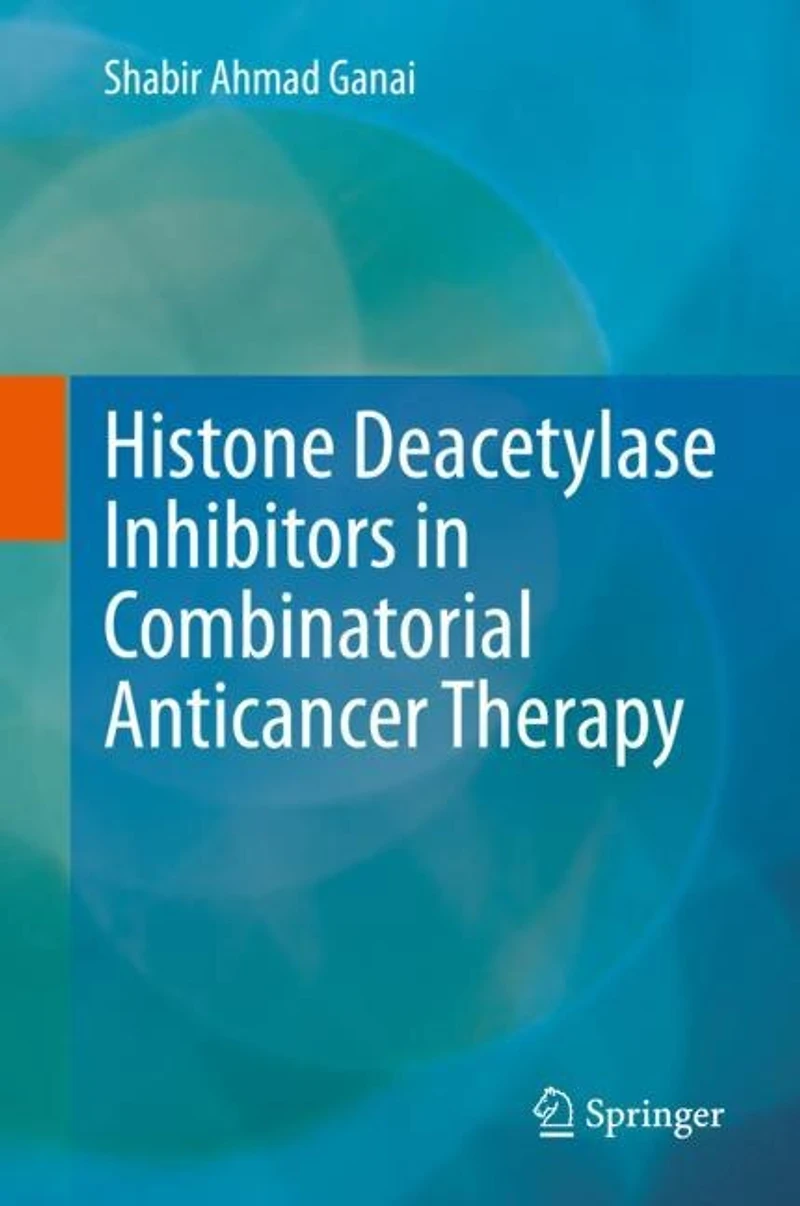
Histone Deacetylase Inhibitors Combinatorial Anticancer Therapy
By None
Current price: $248.50
Coles
Histone Deacetylase Inhibitors Combinatorial Anticancer Therapy
By None
Current price: $248.50
Loading Inventory...
Size: Hardcover
*Product information and pricing may vary - to confirm current pricing, availability, shipping, and return information please contact Coles. In the event of a pricing discrepancy, the retailer's price will apply.
This book reviews the latest developments in the design, synthesis, and molecular mechanism of action of Histone Deacetylase (HDAC) inhibitors in the context of potential cancer therapy. HDAC inhibitors are emerging as promising anticancer drug molecules that promote growth arrest, differentiation and apoptosis of cancer cells with tumor selective toxicity. The book begins with an overview of various epigenetic modifying enzymes that are involved in cancer transition and progression; before exploring the potential of HDACs in cancer treatment. It provides a classification of HDAC inhibitors based on their structural attributes, and addresses HDAC-induced cytotoxicity.. Lastly, it discusses and assesses the rationale behind therapies that combine HDAC inhibitors with other anticancer agents to treat solid tumors. Given its scope, it offers a valuable resource for all researchers, clinicians, and students working in formulation, drug discovery, oncology, and personalized medicine.
This book reviews the latest developments in the design, synthesis, and molecular mechanism of action of Histone Deacetylase (HDAC) inhibitors in the context of potential cancer therapy. HDAC inhibitors are emerging as promising anticancer drug molecules that promote growth arrest, differentiation and apoptosis of cancer cells with tumor selective toxicity. The book begins with an overview of various epigenetic modifying enzymes that are involved in cancer transition and progression; before exploring the potential of HDACs in cancer treatment. It provides a classification of HDAC inhibitors based on their structural attributes, and addresses HDAC-induced cytotoxicity.. Lastly, it discusses and assesses the rationale behind therapies that combine HDAC inhibitors with other anticancer agents to treat solid tumors. Given its scope, it offers a valuable resource for all researchers, clinicians, and students working in formulation, drug discovery, oncology, and personalized medicine.
You May Also Like















More About Coles at Prairie Mall
11801 100 St #104, Grande Prairie, AB T8V 3Y2, Canada
Find Coles at Prairie Mall in Grande Prairie, AB
Visit Coles at Prairie Mall in Grande Prairie, AB