


Gifting Made Simple
Give the Gift of ChoiceClick below to purchase a Prairie Mall eGift Card that can be used at participating retailers at Prairie Mall.Buy Gift CardHome
Hippias Minor or The Art of Cunning: A New Translation of Plato's Most Controversial Dialogue
Coles
Loading Inventory...
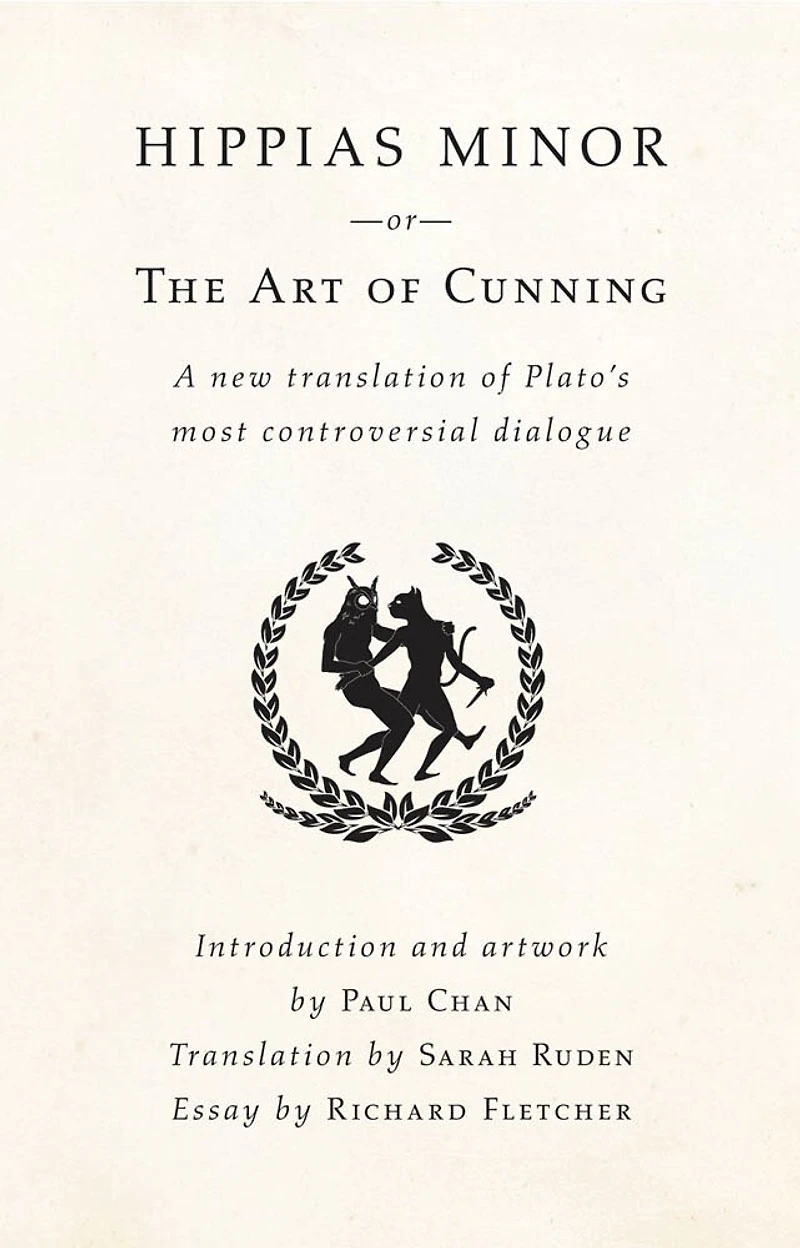
Hippias Minor or The Art of Cunning: A New Translation of Plato's Most Controversial Dialogue in Grande Prairie, AB
Current price: $22.95
Coles
Hippias Minor or The Art of Cunning: A New Translation of Plato's Most Controversial Dialogue in Grande Prairie, AB
Current price: $22.95
Loading Inventory...
Size: Paperback
*Product information and pricing may vary - to confirm current pricing, availability, shipping, and return information please contact Coles. In the event of a pricing discrepancy, the retailer's price will apply.
A provocative dialogue about art as a form of wrongdoing One of Plato's most controversial dialogues, Hippias Minor details Socrates' claims that there is no difference between a person who tells the truth and one who lies, and that the good man is the one who willingly makes mistakes and does wrong. But what if Socrates wasn't merely championing the act of lying--as the dialogue has been traditionally interpreted--but, rather, advocating the power of the creative act?
In this new translation by Sarah Ruden, Hippias Minor is rendered anew as a provocative dialogue about how art is a form of wrongdoing. The accompanying introduction by artist Paul Chan and essay by classicist Richard Fletcher argue that an understanding of the dialogue makes life more ethical by paradoxically teaching one to be more cunning.
A provocative dialogue about art as a form of wrongdoing One of Plato's most controversial dialogues, Hippias Minor details Socrates' claims that there is no difference between a person who tells the truth and one who lies, and that the good man is the one who willingly makes mistakes and does wrong. But what if Socrates wasn't merely championing the act of lying--as the dialogue has been traditionally interpreted--but, rather, advocating the power of the creative act?
In this new translation by Sarah Ruden, Hippias Minor is rendered anew as a provocative dialogue about how art is a form of wrongdoing. The accompanying introduction by artist Paul Chan and essay by classicist Richard Fletcher argue that an understanding of the dialogue makes life more ethical by paradoxically teaching one to be more cunning.
You May Also Like








Find at Prairie Mall in Grande Prairie, AB
Visit at Prairie Mall in Grande Prairie, AB