


Gifting Made Simple
Give the Gift of ChoiceClick below to purchase a Prairie Mall eGift Card that can be used at participating retailers at Prairie Mall.Buy Gift CardHome
Hindutva as Political Monotheism
Coles
Loading Inventory...
Hindutva as Political Monotheism in Grande Prairie, AB
Current price: $37.99
Original price: $47.43
Coles
Hindutva as Political Monotheism in Grande Prairie, AB
Current price: $37.99
Original price: $47.43
Loading Inventory...
Size: Kobo eBook
*Product information and pricing may vary - to confirm current pricing, availability, shipping, and return information please contact Coles. In the event of a pricing discrepancy, the retailer's price will apply.
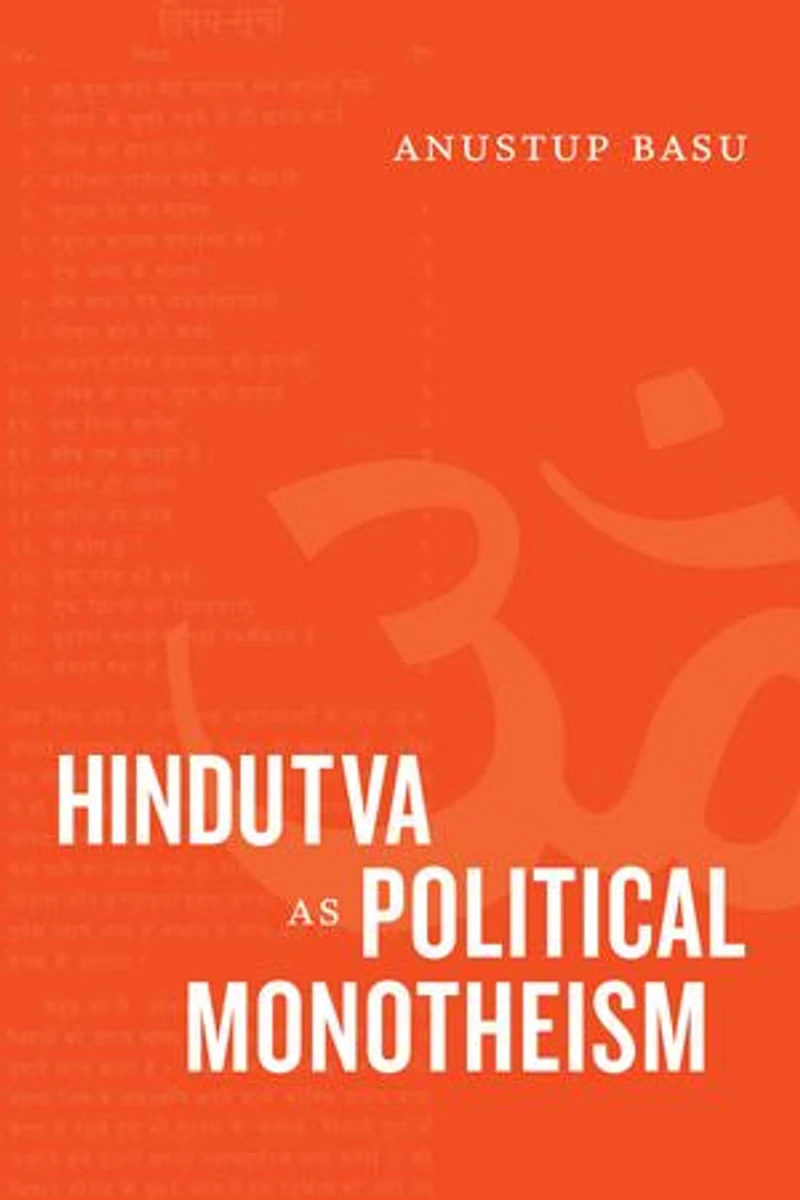
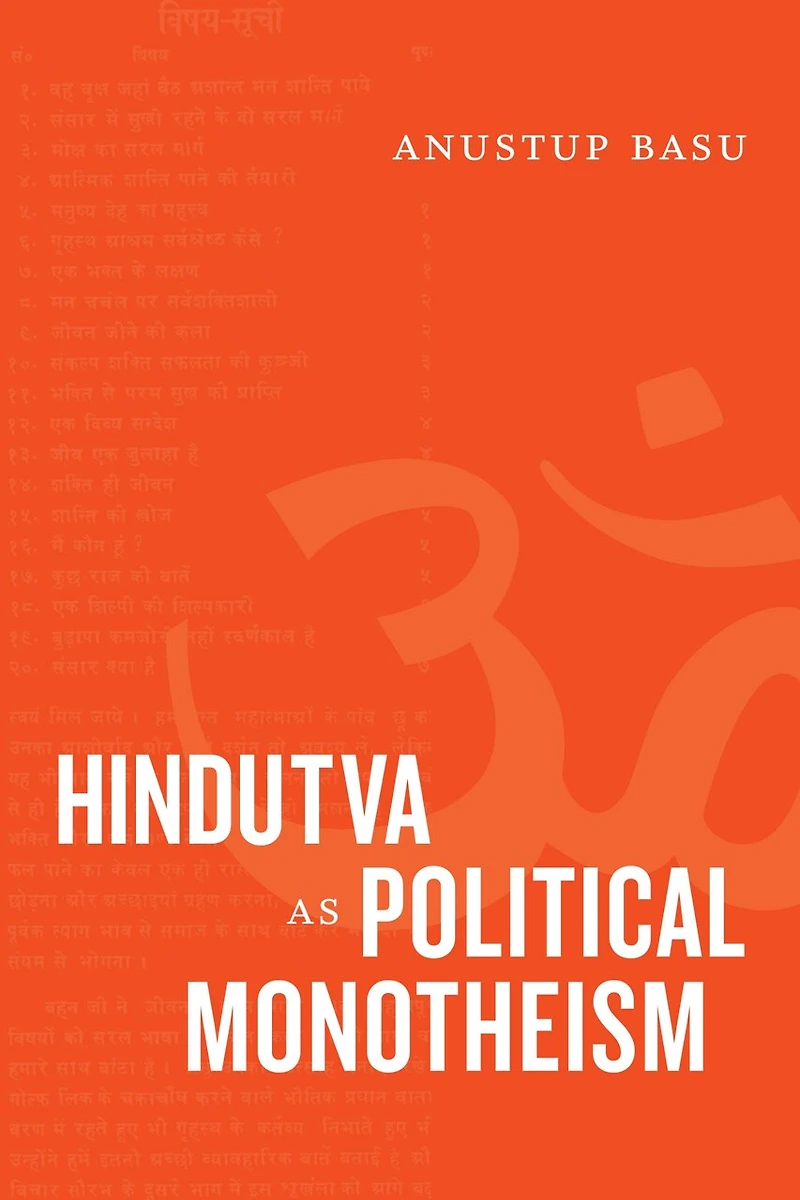
In Hindutva as Political Monotheism , Anustup Basu offers a genealogical study of Hindutva-Hindu right-wing nationalism-to illustrate the significance of Western anthropology and political theory to the idea of India as a Hindu nation. Connecting Nazi jurist Carl Schmitt's notion of political theology to traditional theorems of Hindu sovereignty and nationhood, Basu demonstrates how Western and Indian theorists subsumed a vast array of polytheistic, pantheistic, and henotheistic cults featuring millions of gods into a singular edifice of faith. Basu exposes the purported "Hindu Nation" as itself an orientalist vision by analyzing three crucial moments: European anthropologists' and Indian intellectuals' invention of a unified Hinduism during the long nineteenth century; Indian ideologues' adoption of ethnoreligious nationalism in pursuit of a single Hindu way of life in the twentieth century; and the transformations of this project in the era of finance capital, Bollywood, and new media. Arguing that Hindutva aligns with Enlightenment notions of nationalism, Basu foregrounds its significance not just to Narendra Modi's right-wing, anti-Muslim government but also to mainstream Indian nationalism and its credo of secularism and tolerance.
In Hindutva as Political Monotheism , Anustup Basu offers a genealogical study of Hindutva-Hindu right-wing nationalism-to illustrate the significance of Western anthropology and political theory to the idea of India as a Hindu nation. Connecting Nazi jurist Carl Schmitt's notion of political theology to traditional theorems of Hindu sovereignty and nationhood, Basu demonstrates how Western and Indian theorists subsumed a vast array of polytheistic, pantheistic, and henotheistic cults featuring millions of gods into a singular edifice of faith. Basu exposes the purported "Hindu Nation" as itself an orientalist vision by analyzing three crucial moments: European anthropologists' and Indian intellectuals' invention of a unified Hinduism during the long nineteenth century; Indian ideologues' adoption of ethnoreligious nationalism in pursuit of a single Hindu way of life in the twentieth century; and the transformations of this project in the era of finance capital, Bollywood, and new media. Arguing that Hindutva aligns with Enlightenment notions of nationalism, Basu foregrounds its significance not just to Narendra Modi's right-wing, anti-Muslim government but also to mainstream Indian nationalism and its credo of secularism and tolerance.
You May Also Like

















Find at Prairie Mall in Grande Prairie, AB
Visit at Prairie Mall in Grande Prairie, AB