


Gifting Made Simple
Give the Gift of ChoiceClick below to purchase a Prairie Mall eGift Card that can be used at participating retailers at Prairie Mall.Buy Gift CardHome
Hierarchy International Law: The Place of Human Rights
Coles
Loading Inventory...
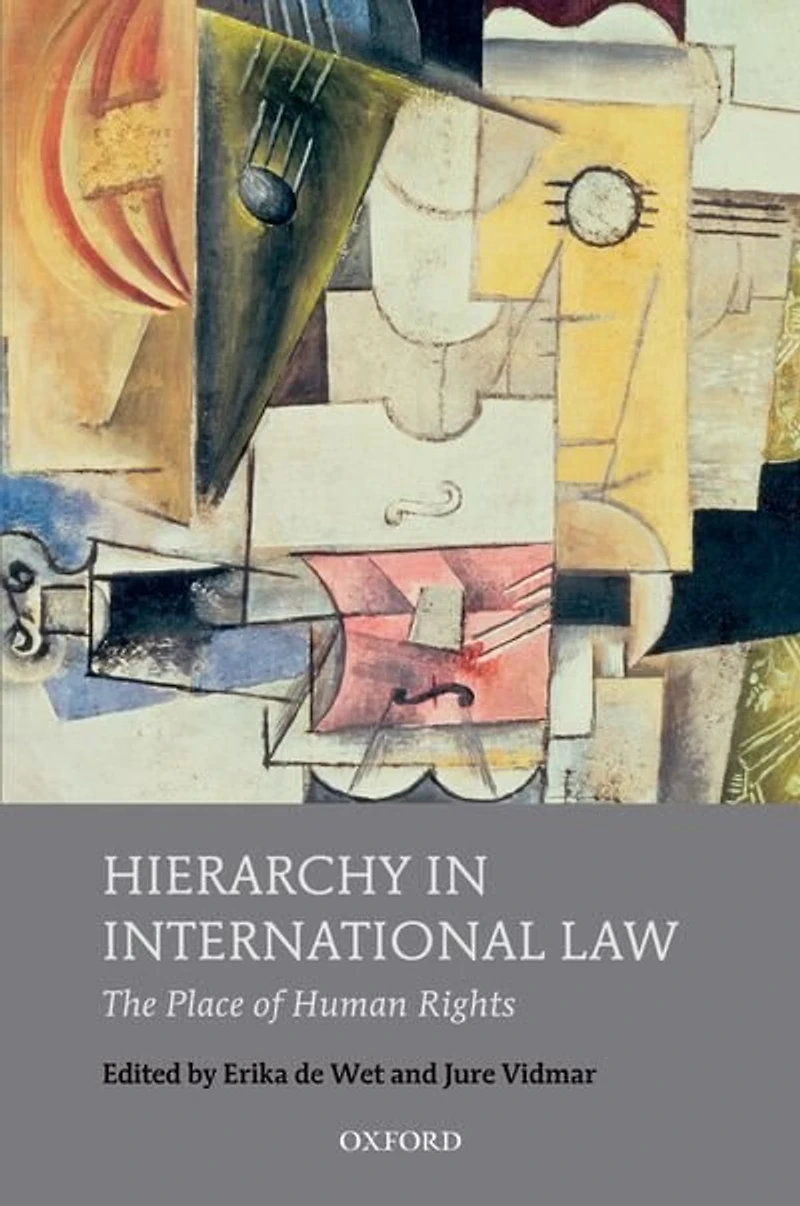
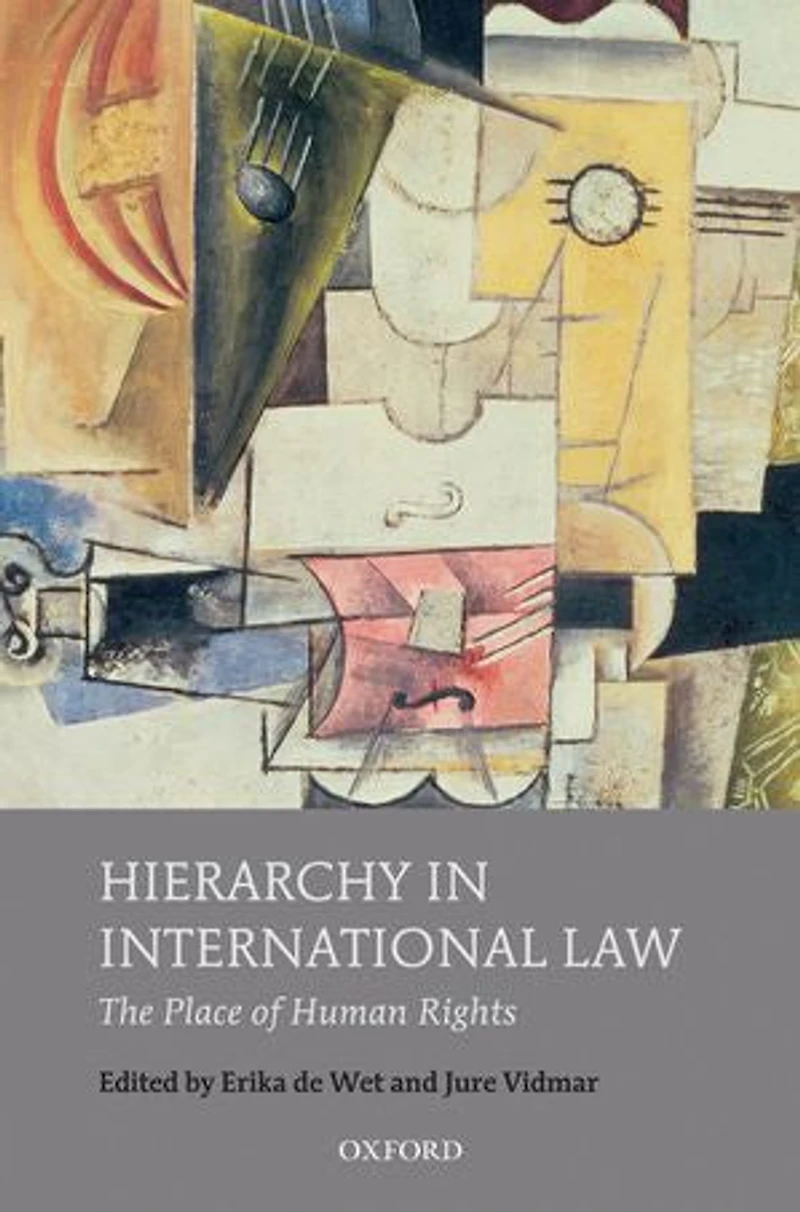
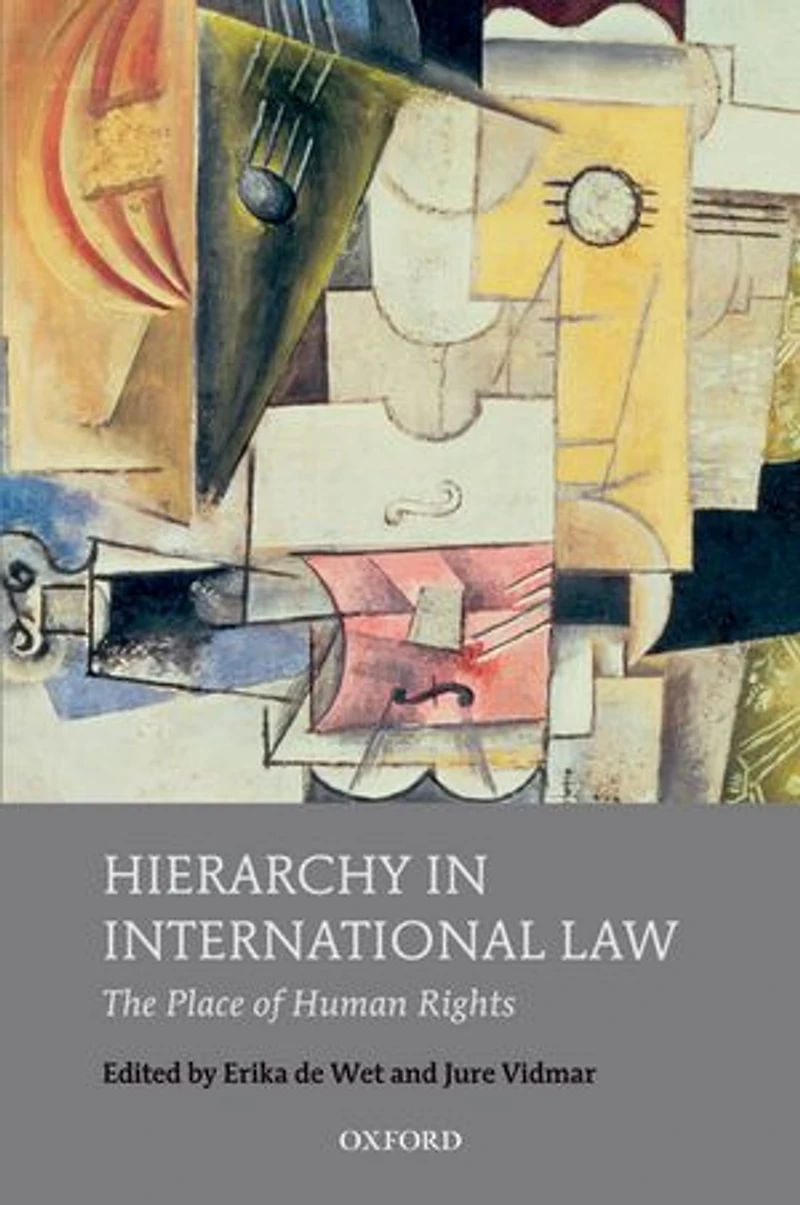
Hierarchy International Law: The Place of Human Rights in Grande Prairie, AB
Current price: $147.00
Coles
Hierarchy International Law: The Place of Human Rights in Grande Prairie, AB
Current price: $147.00
Loading Inventory...
Size: Hardcover
*Product information and pricing may vary - to confirm current pricing, availability, shipping, and return information please contact Coles. In the event of a pricing discrepancy, the retailer's price will apply.
This book takes an inductive approach to the question of whether there is a hierarchy in international law, with human rights obligations trumping other duties. It assesses the extent to which such a hierarchy can be said to exist through an analysis of the case law of national courts. Each chapter of the book examines domestic case law on an issue where human rights obligations conflict with another international law requirement, to see whether national courts gave precedence to human rights. If this is shown to be the case, it would lend support to the argument that the international legal order is moving toward a vertical legal system, with human rights at its apex.
In resolving conflicts between human rights obligations and other areas of international law, the practice of judicial bodies, both domestic and international, is crucial. Judicial practice indicates that norm conflicts typically manifest themselves in situations where human rights obligations are at odds with other international obligations, such as immunities; extradition and refoulement; trade and investment law; and environmental protection. This book sets out and analyses the relevant case law in all of these areas.
This book takes an inductive approach to the question of whether there is a hierarchy in international law, with human rights obligations trumping other duties. It assesses the extent to which such a hierarchy can be said to exist through an analysis of the case law of national courts. Each chapter of the book examines domestic case law on an issue where human rights obligations conflict with another international law requirement, to see whether national courts gave precedence to human rights. If this is shown to be the case, it would lend support to the argument that the international legal order is moving toward a vertical legal system, with human rights at its apex.
In resolving conflicts between human rights obligations and other areas of international law, the practice of judicial bodies, both domestic and international, is crucial. Judicial practice indicates that norm conflicts typically manifest themselves in situations where human rights obligations are at odds with other international obligations, such as immunities; extradition and refoulement; trade and investment law; and environmental protection. This book sets out and analyses the relevant case law in all of these areas.
You May Also Like
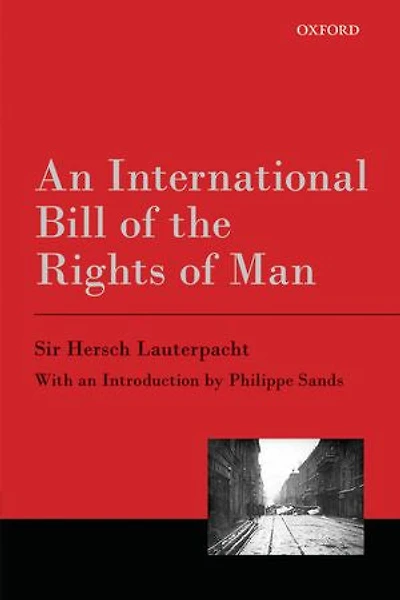

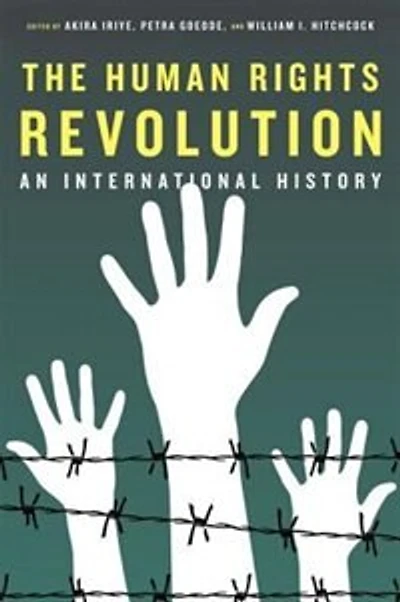








Find at Prairie Mall in Grande Prairie, AB
Visit at Prairie Mall in Grande Prairie, AB