


Gifting Made Simple
Give the Gift of ChoiceClick below to purchase a Prairie Mall eGift Card that can be used at participating retailers at Prairie Mall.Buy Gift CardHome
Heroic Forms: Cervantes and the Literature of War
Coles
Loading Inventory...
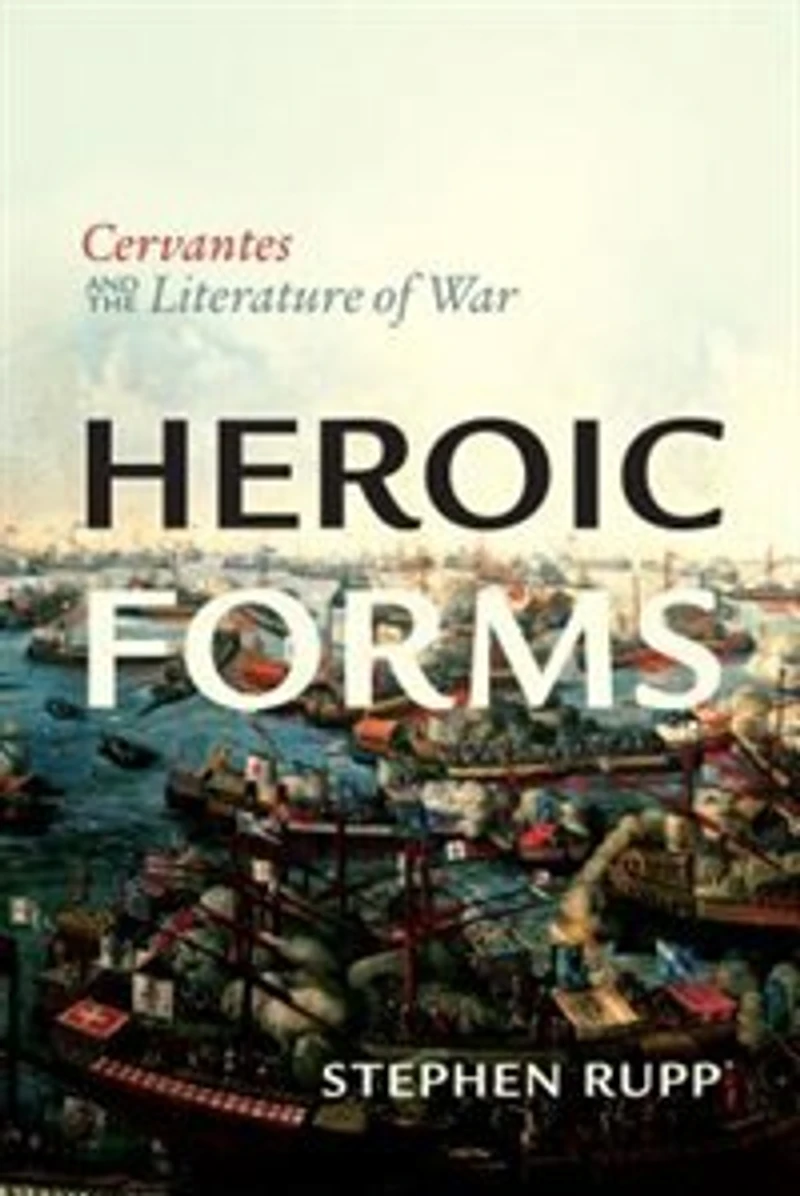
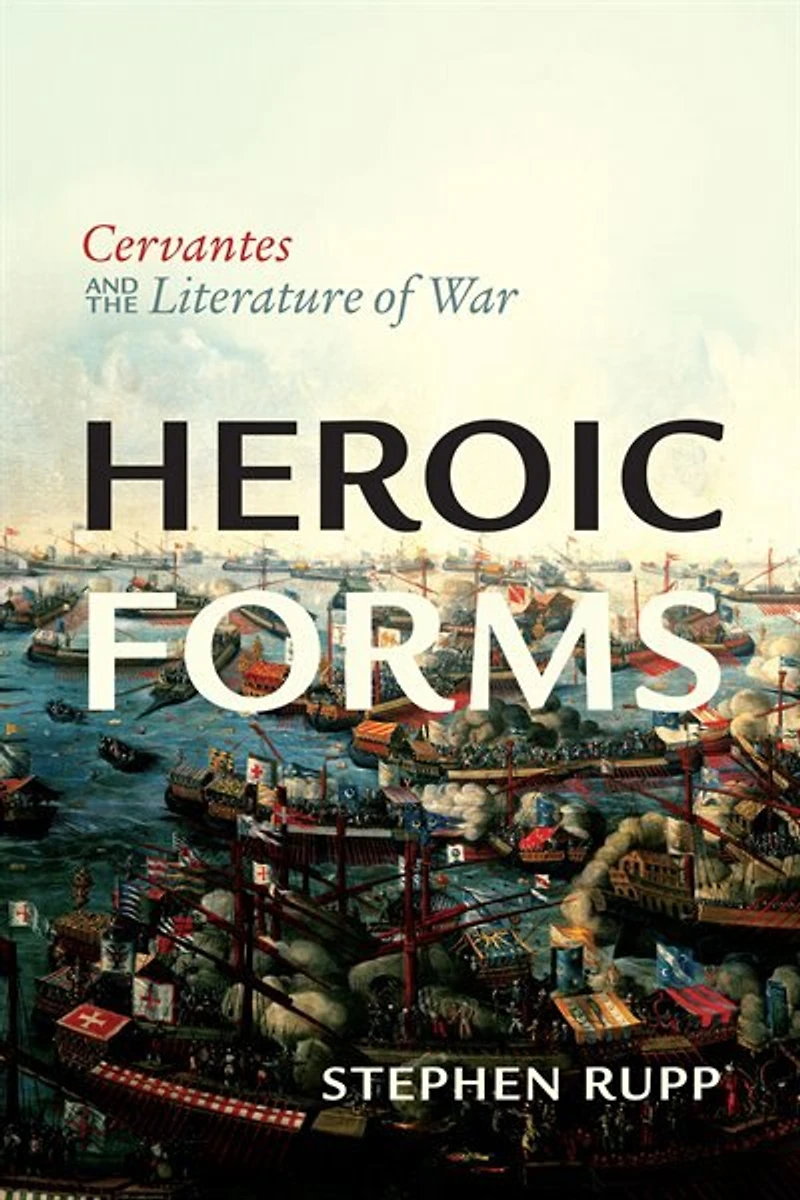
Heroic Forms: Cervantes and the Literature of War in Grande Prairie, AB
Current price: $91.16
Coles
Heroic Forms: Cervantes and the Literature of War in Grande Prairie, AB
Current price: $91.16
Loading Inventory...
Size: Hardcover
*Product information and pricing may vary - to confirm current pricing, availability, shipping, and return information please contact Coles. In the event of a pricing discrepancy, the retailer's price will apply.
In Ghostly Landscapes , Patricia M. Keller analyses the aesthetics of haunting and the relationship between ideology and image production by revisiting twentieth-century Spanish history through the camera's lens. Through its vision she demonstrates how the traumatic losses of the Spanish Civil War and their systematic denial and burial during the fascist dictatorship have constituted fertile territory for the expressions of loss, uncanny return, and untimeliness that characterize the aesthetic presence of the ghost. Examining fascist documentary newsreels, countercultural art films from the Spanish New Wave, and conceptual landscape photographs created since the transition to democracy, Keller reveals how haunting serves to mourn loss, redefine space and history, and confirm the significance of lives and stories previously hidden or erased. Her richly illustrated book constitutes a significant reevaluation of fascist and post-fascist Spanish visual culture and a unique theorization of haunting as an aesthetic register inextricably connected to the visual and the landscape.
In Ghostly Landscapes , Patricia M. Keller analyses the aesthetics of haunting and the relationship between ideology and image production by revisiting twentieth-century Spanish history through the camera's lens. Through its vision she demonstrates how the traumatic losses of the Spanish Civil War and their systematic denial and burial during the fascist dictatorship have constituted fertile territory for the expressions of loss, uncanny return, and untimeliness that characterize the aesthetic presence of the ghost. Examining fascist documentary newsreels, countercultural art films from the Spanish New Wave, and conceptual landscape photographs created since the transition to democracy, Keller reveals how haunting serves to mourn loss, redefine space and history, and confirm the significance of lives and stories previously hidden or erased. Her richly illustrated book constitutes a significant reevaluation of fascist and post-fascist Spanish visual culture and a unique theorization of haunting as an aesthetic register inextricably connected to the visual and the landscape.
You May Also Like








Find at Prairie Mall in Grande Prairie, AB
Visit at Prairie Mall in Grande Prairie, AB