


Gifting Made Simple
Give the Gift of ChoiceClick below to purchase a Prairie Mall eGift Card that can be used at participating retailers at Prairie Mall.Buy Gift CardHome
Hegemonic War and Grand Strategy: Ludwig Dehio, World History, the American Future
Coles
Loading Inventory...
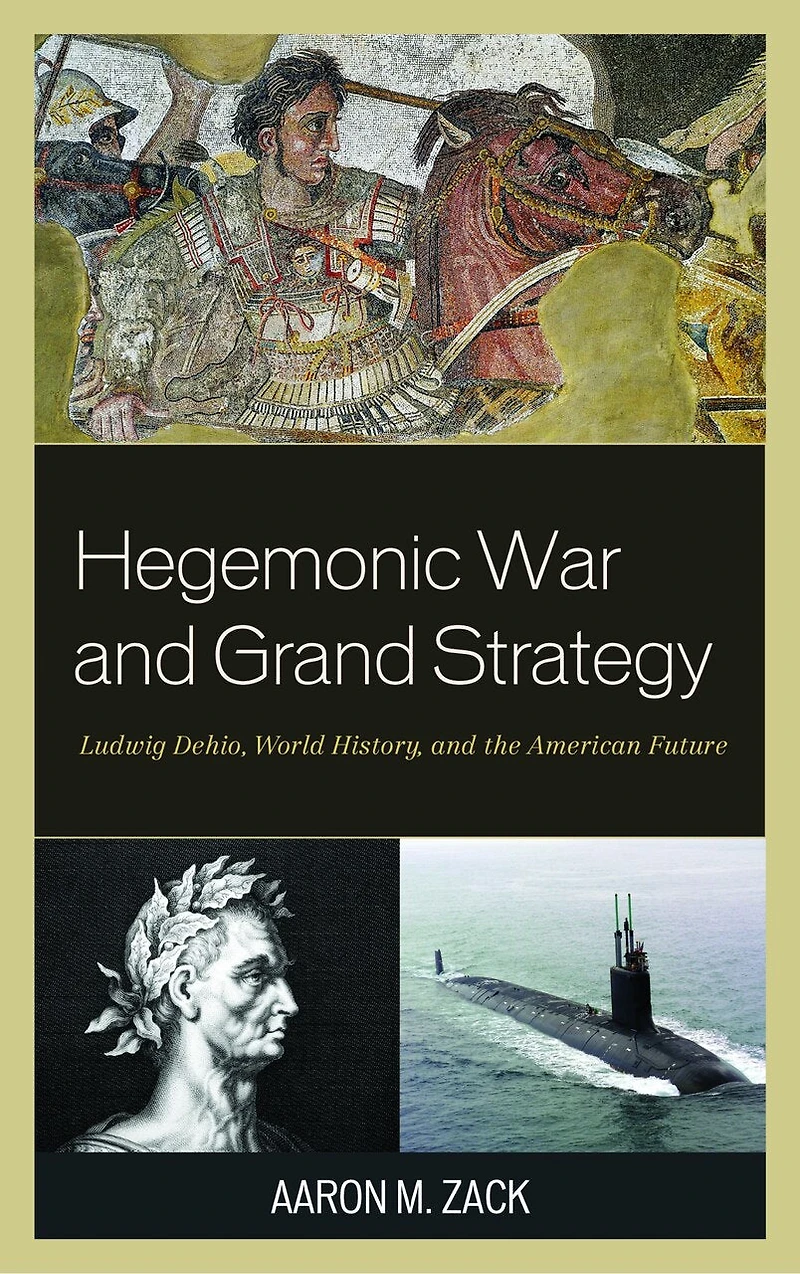
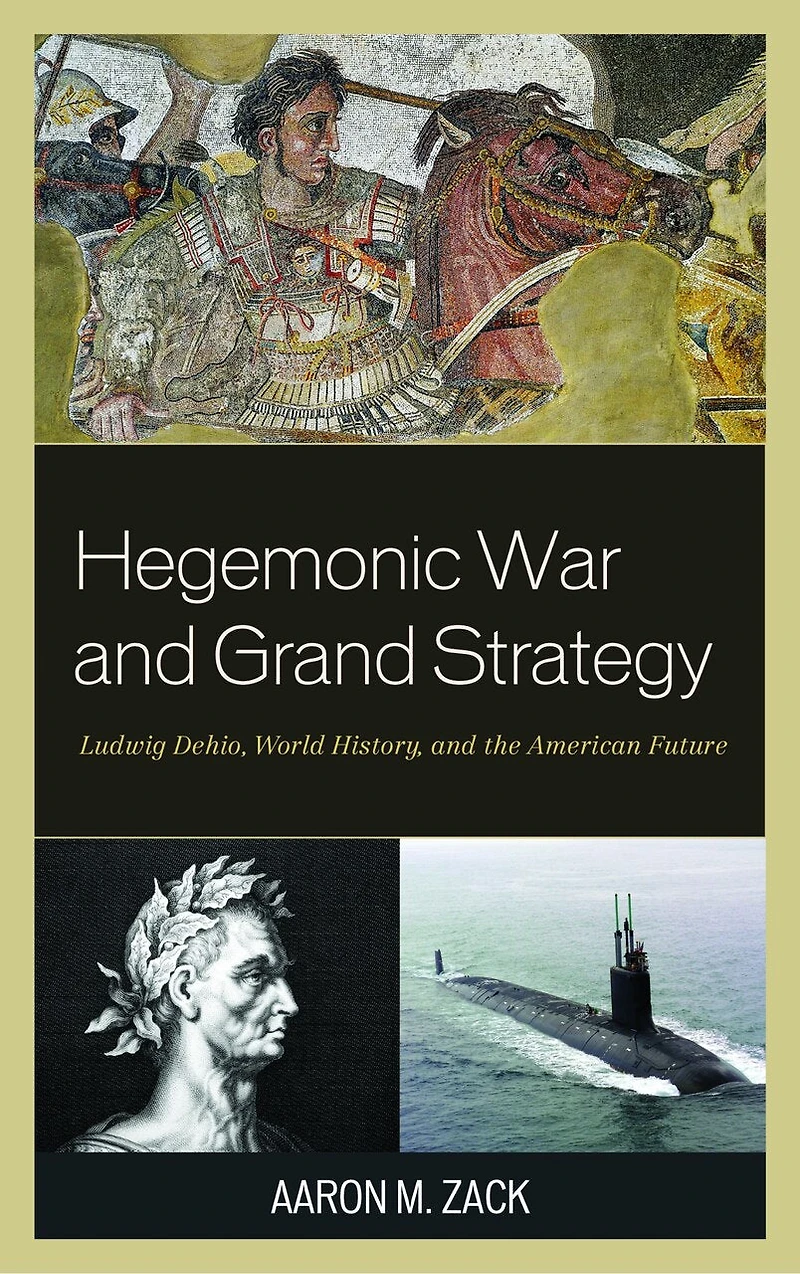
Hegemonic War and Grand Strategy: Ludwig Dehio, World History, the American Future
By None
Current price: $175.50
Coles
Hegemonic War and Grand Strategy: Ludwig Dehio, World History, the American Future
By None
Current price: $175.50
Loading Inventory...
Size: Hardcover
*Product information and pricing may vary - to confirm current pricing, availability, shipping, and return information please contact Coles. In the event of a pricing discrepancy, the retailer's price will apply.
Ludwig Dehio advances a theory of the historical dynamic of the modern European state system (1494–1945) and its hegemonic wars. After explaining Dehio's thoughts about why none of the European Powers were successful in their attempts to conquer the Continent, the text analyzes bids for hegemony in the historical Hellenic, Hellenistic, Roman, Renaissance Italian, modern European, and western hemispheric state systems. The purpose of these analyses is to demonstrate how Dehio's thought illuminates the dynamics of hegemonic conflicts. Additionally, in these chapters we note how prior hegemonic struggles illuminate some of the dilemmas of contemporary American grand strategy. The manuscript then considers how Dehio's thoughts on hegemony enrich our understanding of contemporary challenges, such as the struggles for power in the Middle East and East Asia, the rise of China and its Western Hemispheric ambitions, and American grand strategic options. The text concludes by arguing that Dehio's thought suggests that particular grand strategies will partially determine the global system’s movement towards destructive bids for hegemony, or a viable plural order.
Ludwig Dehio advances a theory of the historical dynamic of the modern European state system (1494–1945) and its hegemonic wars. After explaining Dehio's thoughts about why none of the European Powers were successful in their attempts to conquer the Continent, the text analyzes bids for hegemony in the historical Hellenic, Hellenistic, Roman, Renaissance Italian, modern European, and western hemispheric state systems. The purpose of these analyses is to demonstrate how Dehio's thought illuminates the dynamics of hegemonic conflicts. Additionally, in these chapters we note how prior hegemonic struggles illuminate some of the dilemmas of contemporary American grand strategy. The manuscript then considers how Dehio's thoughts on hegemony enrich our understanding of contemporary challenges, such as the struggles for power in the Middle East and East Asia, the rise of China and its Western Hemispheric ambitions, and American grand strategic options. The text concludes by arguing that Dehio's thought suggests that particular grand strategies will partially determine the global system’s movement towards destructive bids for hegemony, or a viable plural order.
You May Also Like









More About Coles at Prairie Mall
11801 100 St #104, Grande Prairie, AB T8V 3Y2, Canada
Find Coles at Prairie Mall in Grande Prairie, AB
Visit Coles at Prairie Mall in Grande Prairie, AB