


Gifting Made Simple
Give the Gift of ChoiceClick below to purchase a Prairie Mall eGift Card that can be used at participating retailers at Prairie Mall.Buy Gift CardHome
Handbook of Transdisciplinary Research
Coles
Loading Inventory...
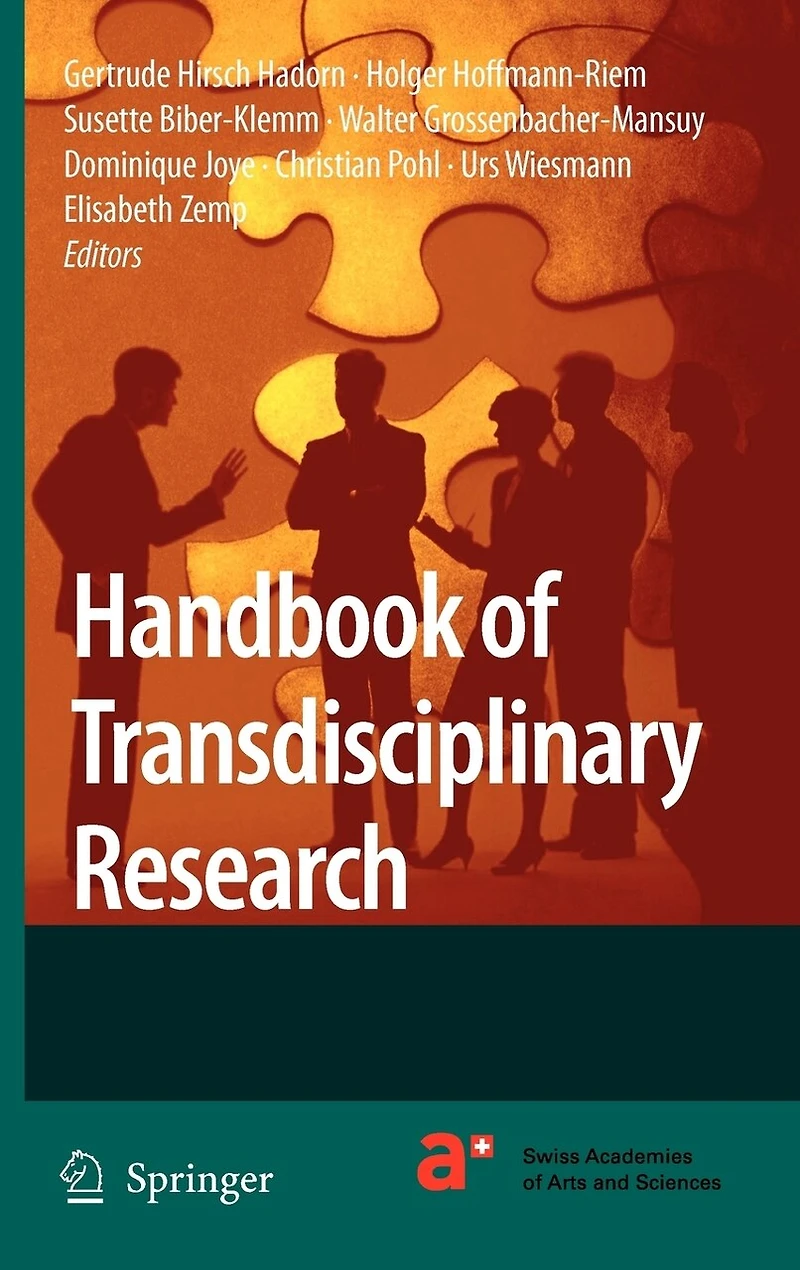
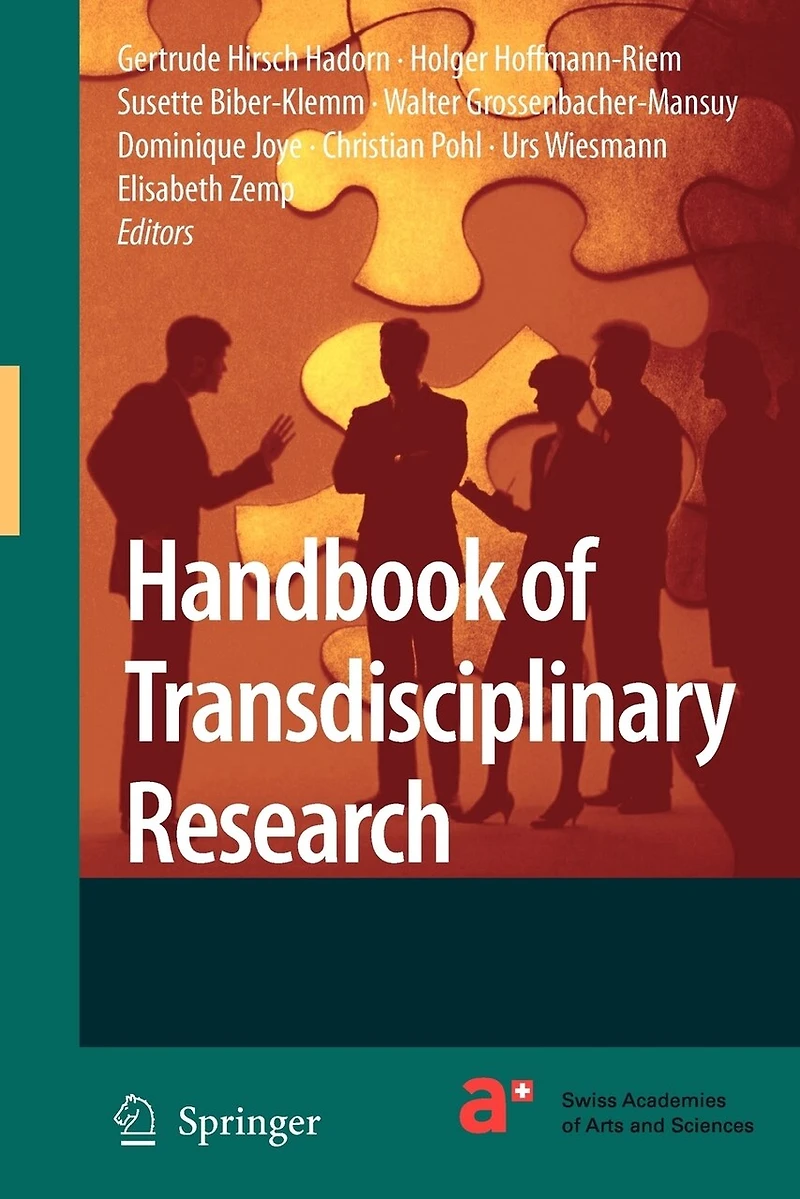
Handbook of Transdisciplinary Research in Grande Prairie, AB
Current price: $261.50
Coles
Handbook of Transdisciplinary Research in Grande Prairie, AB
Current price: $261.50
Loading Inventory...
Size: Hardcover
*Product information and pricing may vary - to confirm current pricing, availability, shipping, and return information please contact Coles. In the event of a pricing discrepancy, the retailer's price will apply.
In a world characterised by rapid change, uncertainty and increasing interconnectedness there is a growing need for science to contribute to the solution of persistent, complex problems. These problems include not only some of the now broadly known environmental issues such as climate change and biodiversity loss, but also related issues such as poverty, security and governance. For all of these problems, progress in nding and implementing solutions has been very slow. The increase in availability of scienti c knowledge has not been re ected in decisive action. It is this mismatch between knowledge and action that lies behind the need for a Handbook of Transdisciplinary Research. As the editors point out in their introduction, a transdisciplinary orientation in research, education and institutions aims to overcome the disconnection between knowledge production, on the one hand, and the demand for knowledge to contribute to the solution of societal pr- lems, on the other hand. This is achieved through transdisciplinary approaches in which researchers from a wide range of disciplines work together with sta- holders. Internationally the term 'transdisciplinary research' is de ned in diff- ent ways, ranging from a diffuse conceptual term located above individual dis- plines, to any research that involves stakeholders. The Handbook contributes to a clari cation of both the concept and the term, and shows that the uniqueness of the approach lies in the partnership between members of different disciplines and stakeholders.
In a world characterised by rapid change, uncertainty and increasing interconnectedness there is a growing need for science to contribute to the solution of persistent, complex problems. These problems include not only some of the now broadly known environmental issues such as climate change and biodiversity loss, but also related issues such as poverty, security and governance. For all of these problems, progress in nding and implementing solutions has been very slow. The increase in availability of scienti c knowledge has not been re ected in decisive action. It is this mismatch between knowledge and action that lies behind the need for a Handbook of Transdisciplinary Research. As the editors point out in their introduction, a transdisciplinary orientation in research, education and institutions aims to overcome the disconnection between knowledge production, on the one hand, and the demand for knowledge to contribute to the solution of societal pr- lems, on the other hand. This is achieved through transdisciplinary approaches in which researchers from a wide range of disciplines work together with sta- holders. Internationally the term 'transdisciplinary research' is de ned in diff- ent ways, ranging from a diffuse conceptual term located above individual dis- plines, to any research that involves stakeholders. The Handbook contributes to a clari cation of both the concept and the term, and shows that the uniqueness of the approach lies in the partnership between members of different disciplines and stakeholders.
You May Also Like
















Find at Prairie Mall in Grande Prairie, AB
Visit at Prairie Mall in Grande Prairie, AB