


Gifting Made Simple
Give the Gift of ChoiceClick below to purchase a Prairie Mall eGift Card that can be used at participating retailers at Prairie Mall.Buy Gift CardHome
Gurkha: Better To Die Than Live A Coward: My Life The Gurkhas
Coles
Loading Inventory...
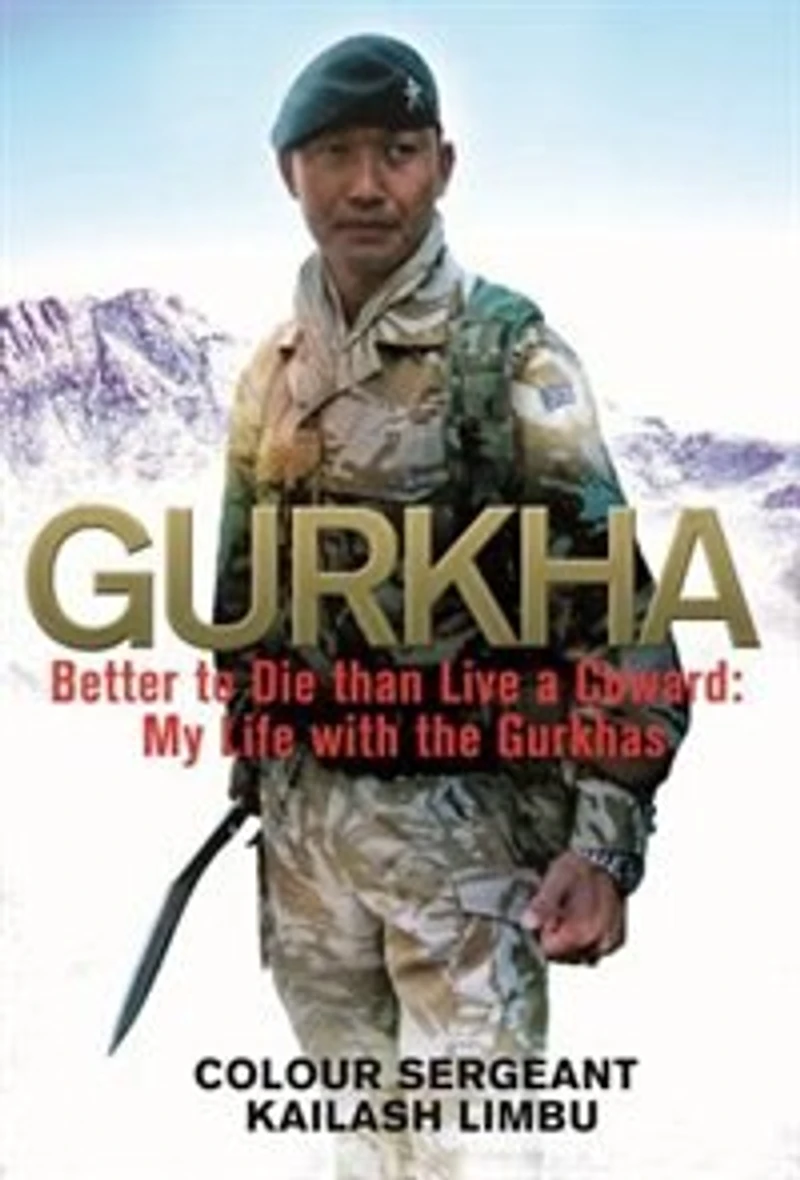
Gurkha: Better To Die Than Live A Coward: My Life The Gurkhas in Grande Prairie, AB
Current price: $34.99
Coles
Gurkha: Better To Die Than Live A Coward: My Life The Gurkhas in Grande Prairie, AB
Current price: $34.99
Loading Inventory...
Size: Hardcover
*Product information and pricing may vary - to confirm current pricing, availability, shipping, and return information please contact Coles. In the event of a pricing discrepancy, the retailer's price will apply.
In the summer of 2006, Colour-Sargeant Kailash Khebang's platoon was sent to relieve and occupy a police compound in the town of Now Zad in Helmand. He was told to prepare for a forty-eight hour operation. In the end, he and his men were under siege for thirty-one days - one of the longest such sieges in the whole of the Afghan campaign.
Kailash Khebang recalls the terrifying and exciting details of those thirty-one days - in which they killed an estimated one hundred Taliban fighters - and intersperses them with the story of his own life as a villager from the Himalayas. He grew up in a place without roads or electricity and didn't see a car until he was fifteen.
Kailash's descriptions of Gurkha training and rituals - including how to use the lethal Kukri knife - are eye-opening and fascinating. They combine with the story of his time in Helmand to create a unique account of one man's life as a Gurkha.
In the summer of 2006, Colour-Sargeant Kailash Khebang's platoon was sent to relieve and occupy a police compound in the town of Now Zad in Helmand. He was told to prepare for a forty-eight hour operation. In the end, he and his men were under siege for thirty-one days - one of the longest such sieges in the whole of the Afghan campaign.
Kailash Khebang recalls the terrifying and exciting details of those thirty-one days - in which they killed an estimated one hundred Taliban fighters - and intersperses them with the story of his own life as a villager from the Himalayas. He grew up in a place without roads or electricity and didn't see a car until he was fifteen.
Kailash's descriptions of Gurkha training and rituals - including how to use the lethal Kukri knife - are eye-opening and fascinating. They combine with the story of his time in Helmand to create a unique account of one man's life as a Gurkha.
You May Also Like














Find at Prairie Mall in Grande Prairie, AB
Visit at Prairie Mall in Grande Prairie, AB