


Gifting Made Simple
Give the Gift of ChoiceClick below to purchase a Prairie Mall eGift Card that can be used at participating retailers at Prairie Mall.Buy Gift CardHome
Guardianship and Democracy Iran Turkey: Tutelary Consolidation, Popular Contestation
Coles
Loading Inventory...
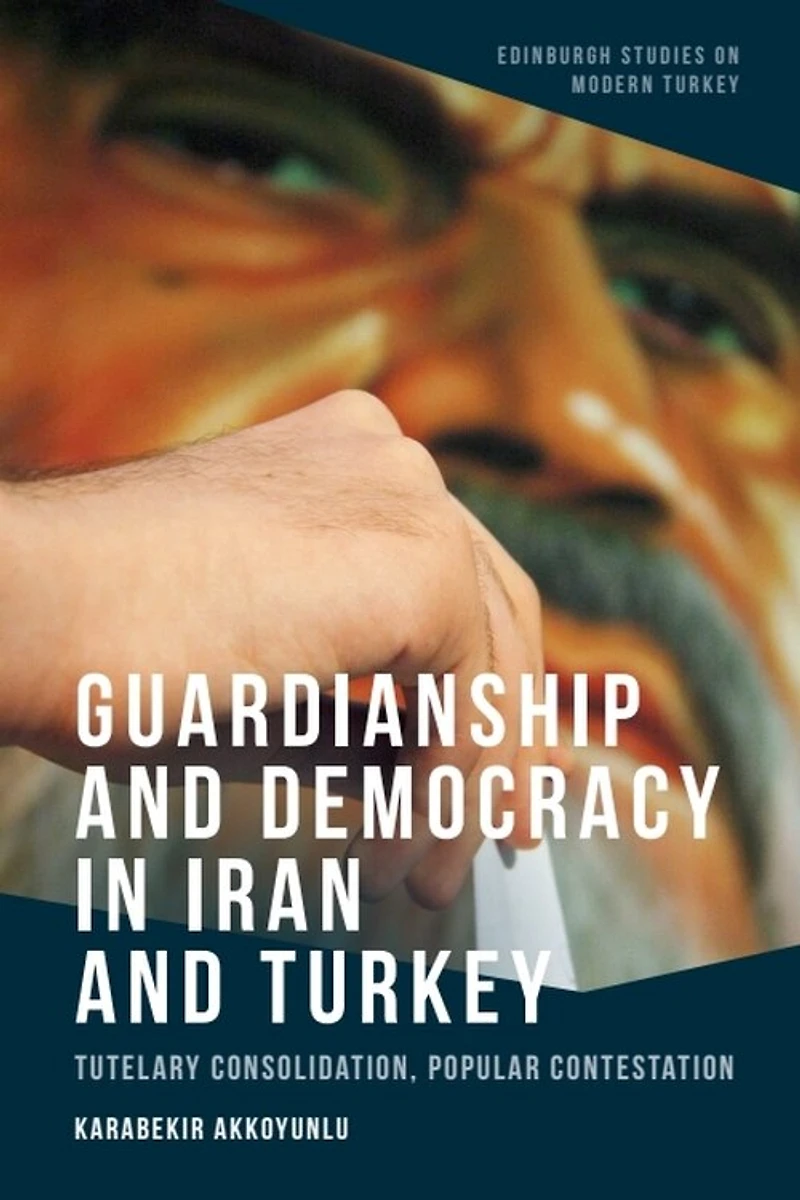
Guardianship and Democracy Iran Turkey: Tutelary Consolidation, Popular Contestation in Grande Prairie, AB
Current price: $174.99
Coles
Guardianship and Democracy Iran Turkey: Tutelary Consolidation, Popular Contestation in Grande Prairie, AB
Current price: $174.99
Loading Inventory...
Size: Hardcover
*Product information and pricing may vary - to confirm current pricing, availability, shipping, and return information please contact Coles. In the event of a pricing discrepancy, the retailer's price will apply.
This book offers the first comparative study of the foundations, consolidation and contestation of regime guardianship in the Islamic Republic of Iran and the Republic of Turkey. For decades, the military in Turkey and the clergy in Iran acted as the guardians of Atatürk and Khomeini’s ideological legacies. At the turn of the 21st century rising popular actors in both countries started challenging the tutelary control of the state and society. While in Turkey the clash between the Kemalist guardians and their Islamist-led rivals resulted in a victory for the latter, although not for democracy, in Iran, traditionalist guardians were able to thwart popular challenges to their authority at the expense of the regime’s democratic legitimacy. How was guardianship established, consolidated and contested in these republics with seemingly inimical founding ideologies? Why did it unravel in Turkey but survive in the Islamic Republic in the early 2010s? And what do these power struggles and their outcomes tell us about political contestation in tutelary hybrid regimes?
This book offers the first comparative study of the foundations, consolidation and contestation of regime guardianship in the Islamic Republic of Iran and the Republic of Turkey. For decades, the military in Turkey and the clergy in Iran acted as the guardians of Atatürk and Khomeini’s ideological legacies. At the turn of the 21st century rising popular actors in both countries started challenging the tutelary control of the state and society. While in Turkey the clash between the Kemalist guardians and their Islamist-led rivals resulted in a victory for the latter, although not for democracy, in Iran, traditionalist guardians were able to thwart popular challenges to their authority at the expense of the regime’s democratic legitimacy. How was guardianship established, consolidated and contested in these republics with seemingly inimical founding ideologies? Why did it unravel in Turkey but survive in the Islamic Republic in the early 2010s? And what do these power struggles and their outcomes tell us about political contestation in tutelary hybrid regimes?
You May Also Like










Find at Prairie Mall in Grande Prairie, AB
Visit at Prairie Mall in Grande Prairie, AB