


Gifting Made Simple
Give the Gift of ChoiceClick below to purchase a Prairie Mall eGift Card that can be used at participating retailers at Prairie Mall.Buy Gift CardHome
Grounded-Encounter Therapy: Perspectives, Characteristics, and Applications
Coles
Loading Inventory...
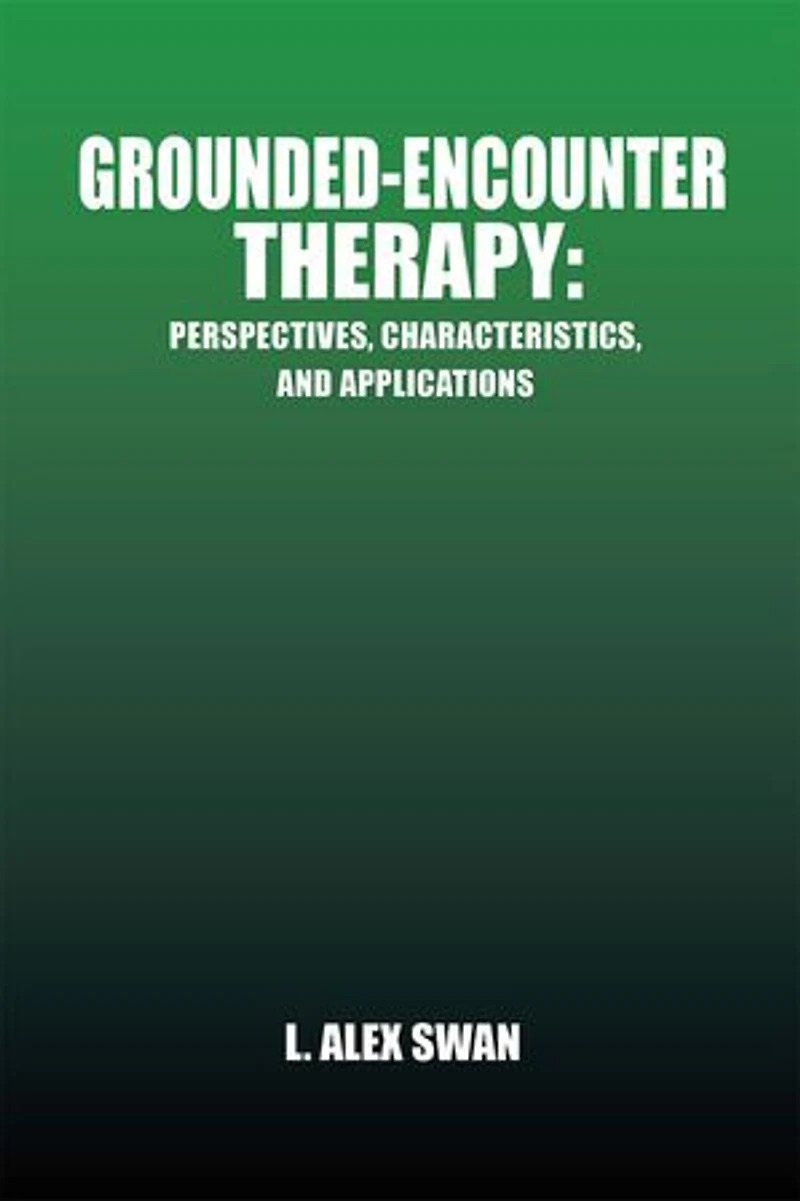
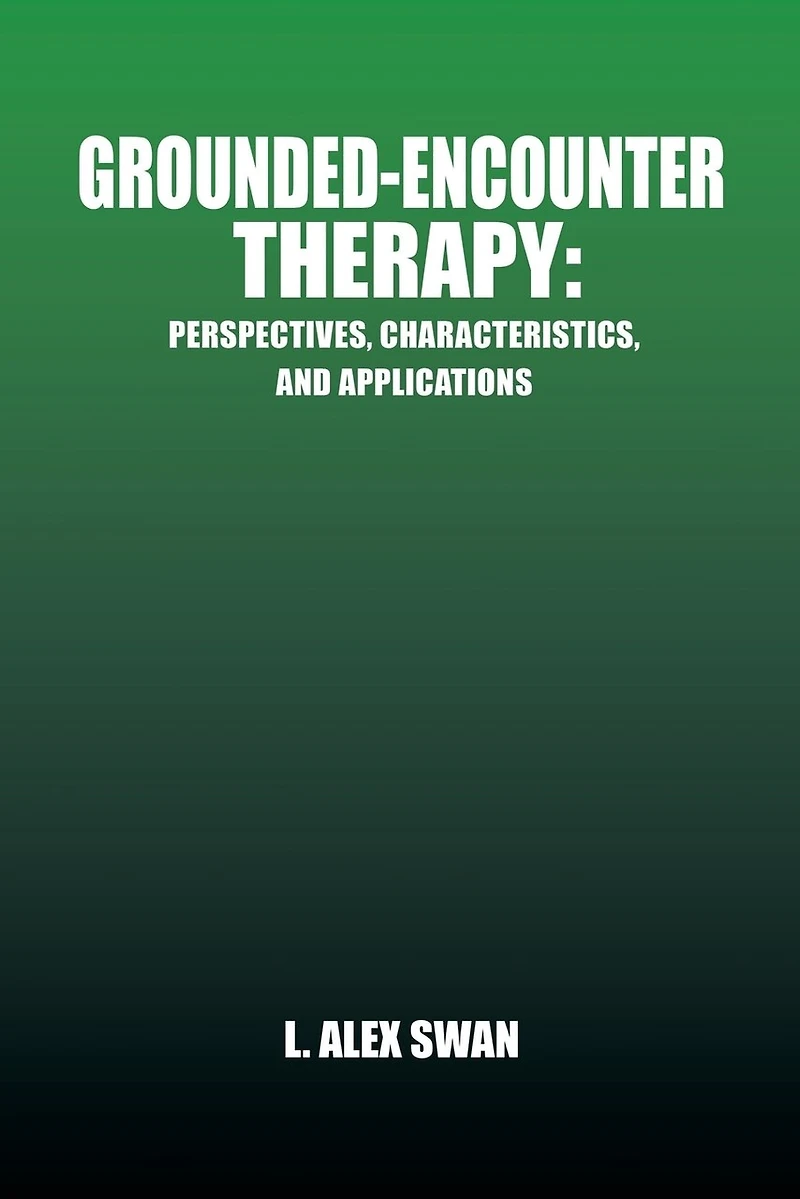
Grounded-Encounter Therapy: Perspectives, Characteristics, and Applications in Grande Prairie, AB
Current price: $5.39
Original price: $5.99
Coles
Grounded-Encounter Therapy: Perspectives, Characteristics, and Applications in Grande Prairie, AB
Current price: $5.39
Original price: $5.99
Loading Inventory...
Size: Kobo eBook
*Product information and pricing may vary - to confirm current pricing, availability, shipping, and return information please contact Coles. In the event of a pricing discrepancy, the retailer's price will apply.
Grounded Encounter Therapy is a discovery, intervention, and application approach which allows the theory which guides the process to be developed from an analysis of the situation or context, rather than imposed at the outset by the therapist. It is a dramatic contrast to psychological theories, particularly psychoanalysis, which impose a specific causal theory at the outset. In GET, on the other hand, the theory emerges from the client-defined context, not the other way around. The book introduces students and professionals an alternative to doing counseling and therapy. Traditional therapist see what they look for, and what they look for they see, and what they see is what their therapeutic modalities allow them to see, and what their therapeutic modalities allow them to see is what they treat.
Grounded Encounter Therapy is a discovery, intervention, and application approach which allows the theory which guides the process to be developed from an analysis of the situation or context, rather than imposed at the outset by the therapist. It is a dramatic contrast to psychological theories, particularly psychoanalysis, which impose a specific causal theory at the outset. In GET, on the other hand, the theory emerges from the client-defined context, not the other way around. The book introduces students and professionals an alternative to doing counseling and therapy. Traditional therapist see what they look for, and what they look for they see, and what they see is what their therapeutic modalities allow them to see, and what their therapeutic modalities allow them to see is what they treat.
You May Also Like













Find at Prairie Mall in Grande Prairie, AB
Visit at Prairie Mall in Grande Prairie, AB