


Gifting Made Simple
Give the Gift of ChoiceClick below to purchase a Prairie Mall eGift Card that can be used at participating retailers at Prairie Mall.Buy Gift CardHome
Greening the Globe: World Society and Environmental Change
Coles
Loading Inventory...
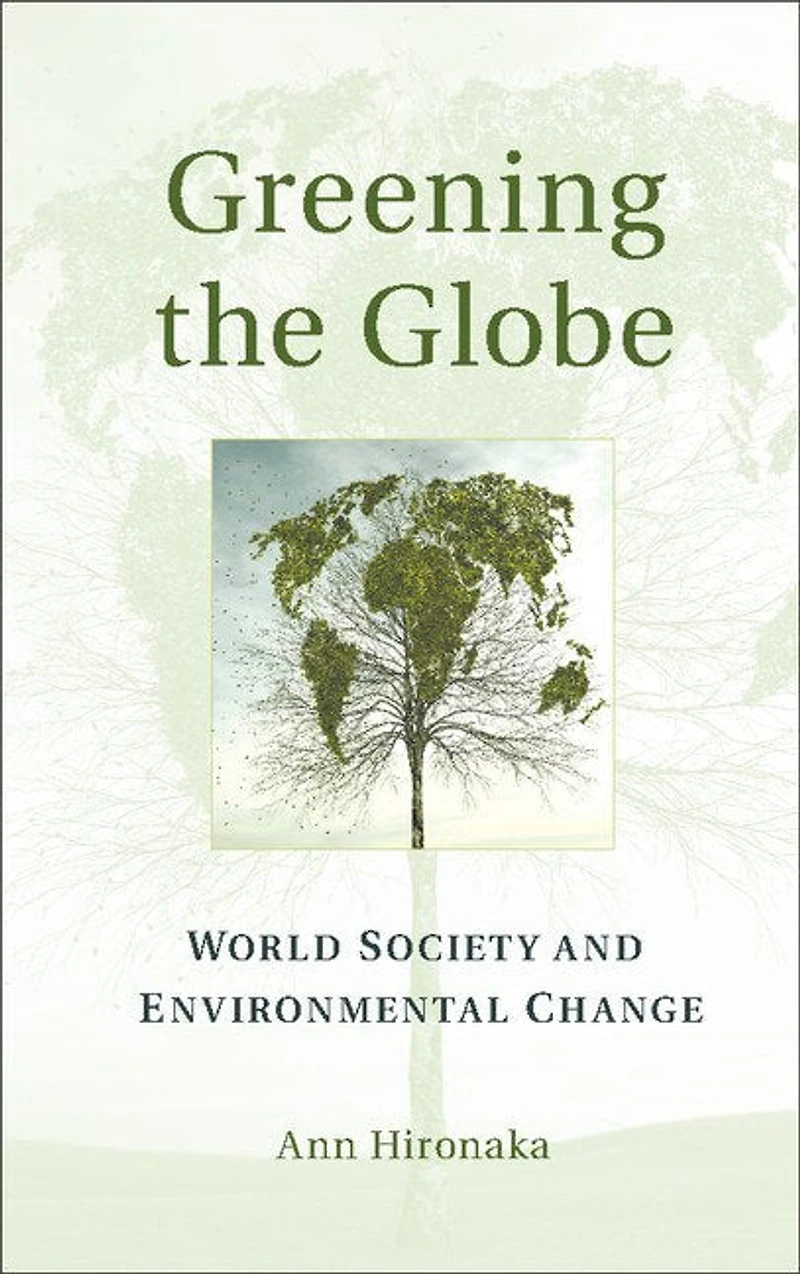
Greening the Globe: World Society and Environmental Change in Grande Prairie, AB
Current price: $145.95
Coles
Greening the Globe: World Society and Environmental Change in Grande Prairie, AB
Current price: $145.95
Loading Inventory...
Size: Hardcover
*Product information and pricing may vary - to confirm current pricing, availability, shipping, and return information please contact Coles. In the event of a pricing discrepancy, the retailer's price will apply.
Recent decades have seen a rapid expansion of environmental activity in the world, including the signing of a growing number of environmental treaties and the formation of international organizations like the United Nations Environment Programme (UNEP). Greening the Globe employs world society theory (aka world polity theory or sociological institutionalism) to explore the origins and consequences of international efforts to address environmental problems. Existing scholarship seems paradoxical: case studies frequently criticize treaties and regulatory structures as weak and ineffective, yet statistical studies find improvements in environmental conditions. This book addresses this paradox by articulating a bee-swarm model of social change. International institutions rarely command the power or resources to directly impose social change. Nevertheless, they have recourse via indirect mechanisms: setting agendas, creating workspaces where problems can be addressed, empowering various pro-environmental agents, and propagating new cultural meanings and norms. As a result, world society generates social change even if formal institutional mechanisms and sanctions are weak.
Recent decades have seen a rapid expansion of environmental activity in the world, including the signing of a growing number of environmental treaties and the formation of international organizations like the United Nations Environment Programme (UNEP). Greening the Globe employs world society theory (aka world polity theory or sociological institutionalism) to explore the origins and consequences of international efforts to address environmental problems. Existing scholarship seems paradoxical: case studies frequently criticize treaties and regulatory structures as weak and ineffective, yet statistical studies find improvements in environmental conditions. This book addresses this paradox by articulating a bee-swarm model of social change. International institutions rarely command the power or resources to directly impose social change. Nevertheless, they have recourse via indirect mechanisms: setting agendas, creating workspaces where problems can be addressed, empowering various pro-environmental agents, and propagating new cultural meanings and norms. As a result, world society generates social change even if formal institutional mechanisms and sanctions are weak.
You May Also Like










Find at Prairie Mall in Grande Prairie, AB
Visit at Prairie Mall in Grande Prairie, AB