


Gifting Made Simple
Give the Gift of ChoiceClick below to purchase a Prairie Mall eGift Card that can be used at participating retailers at Prairie Mall.Buy Gift CardHome
Greeks Overseas 4th Edition: Their Early Colonies And Trade
Coles
Loading Inventory...
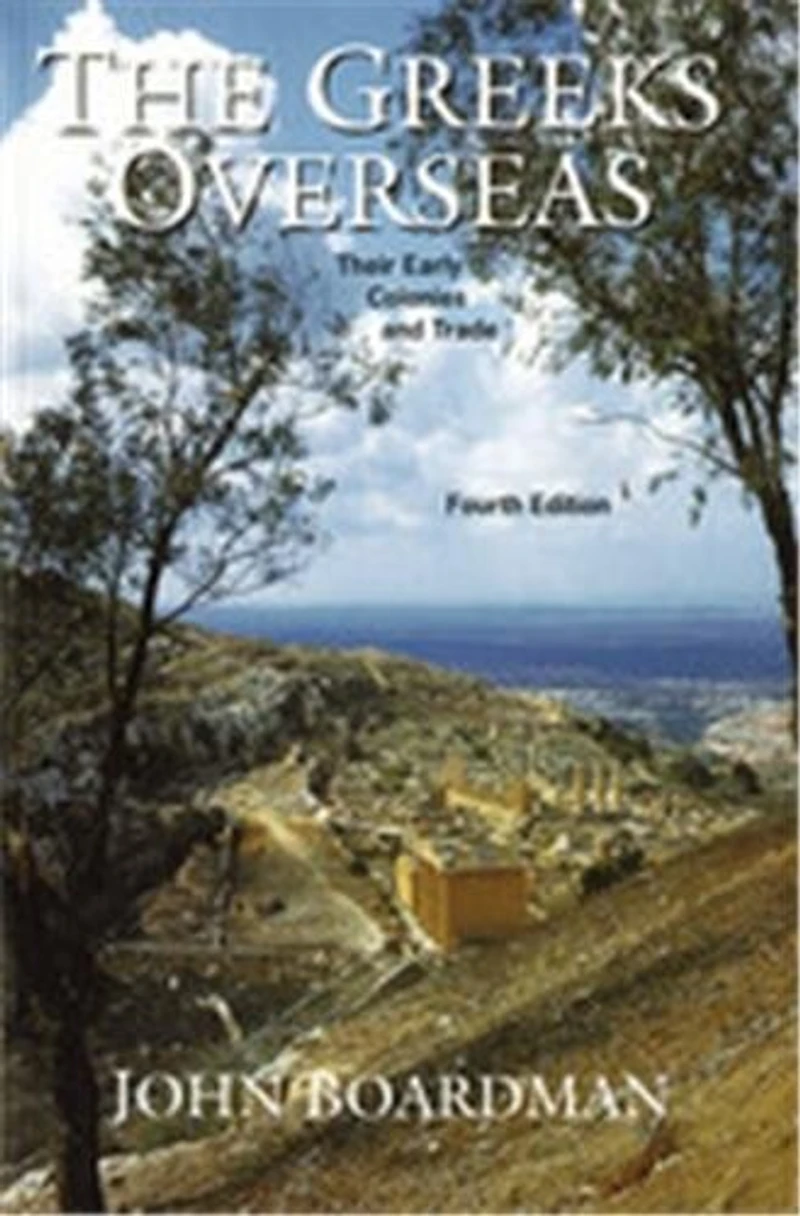
Greeks Overseas 4th Edition: Their Early Colonies And Trade in Grande Prairie, AB
Current price: $33.00
Coles
Greeks Overseas 4th Edition: Their Early Colonies And Trade in Grande Prairie, AB
Current price: $33.00
Loading Inventory...
Size: Paperback
*Product information and pricing may vary - to confirm current pricing, availability, shipping, and return information please contact Coles. In the event of a pricing discrepancy, the retailer's price will apply.
“A masterly summary.”— The Times Literary Supplement
The spread of Greek civilization through Europe and into Africa and the Near East began long before the full flowering of Classical Greek culture. The Greeks Overseas vividly demonstrates the value of archaeology in reconstructing one of the most important formative periods of European history. Out of the Dark Ages of reduced population and comparative penury, the Greeks set their sails north, south, east, and west to plant trading posts and colonies, to reap whatever harvest of materials and expertise the barbarians could offer, and to disseminate the benefits of their own rapidly developing and brilliant civilization. Reviewing the first edition in 1965, The Times Literary Supplement described it as "a masterly summary of a subject that is constantly in need of reappraisal." This fourth edition adds a chapter summarizing new finds and exploring the new attitudes that have affected the study of the subject in the past forty years.
The spread of Greek civilization through Europe and into Africa and the Near East began long before the classical period, long after Troy, Mycenae, and Knossos had fallen. This study gives an archaeologist’s view of one of the most important periods of European history, describing how, out of a time of reduced population and comparative penury, the Greeks set their sails north, south, east, and west to plant trading posts and colonies, to reap whatever harvest of materials and expertise the barbarian could offer, and to disseminate the benefits of their own rapidly developing and brilliant civilization.
The book vividly demonstrates the value of archaeology to the historical record and indicates how much the arts and culture of classical Greece already owed to foreign influences.
“A masterly summary.”— The Times Literary Supplement
The spread of Greek civilization through Europe and into Africa and the Near East began long before the full flowering of Classical Greek culture. The Greeks Overseas vividly demonstrates the value of archaeology in reconstructing one of the most important formative periods of European history. Out of the Dark Ages of reduced population and comparative penury, the Greeks set their sails north, south, east, and west to plant trading posts and colonies, to reap whatever harvest of materials and expertise the barbarians could offer, and to disseminate the benefits of their own rapidly developing and brilliant civilization. Reviewing the first edition in 1965, The Times Literary Supplement described it as "a masterly summary of a subject that is constantly in need of reappraisal." This fourth edition adds a chapter summarizing new finds and exploring the new attitudes that have affected the study of the subject in the past forty years.
The spread of Greek civilization through Europe and into Africa and the Near East began long before the classical period, long after Troy, Mycenae, and Knossos had fallen. This study gives an archaeologist’s view of one of the most important periods of European history, describing how, out of a time of reduced population and comparative penury, the Greeks set their sails north, south, east, and west to plant trading posts and colonies, to reap whatever harvest of materials and expertise the barbarian could offer, and to disseminate the benefits of their own rapidly developing and brilliant civilization.
The book vividly demonstrates the value of archaeology to the historical record and indicates how much the arts and culture of classical Greece already owed to foreign influences.
You May Also Like

















Find at Prairie Mall in Grande Prairie, AB
Visit at Prairie Mall in Grande Prairie, AB