


Gifting Made Simple
Give the Gift of ChoiceClick below to purchase a Prairie Mall eGift Card that can be used at participating retailers at Prairie Mall.Buy Gift CardHome
Greater Khorasan: History, Geography, Archaeology and Material Culture
Coles
Loading Inventory...
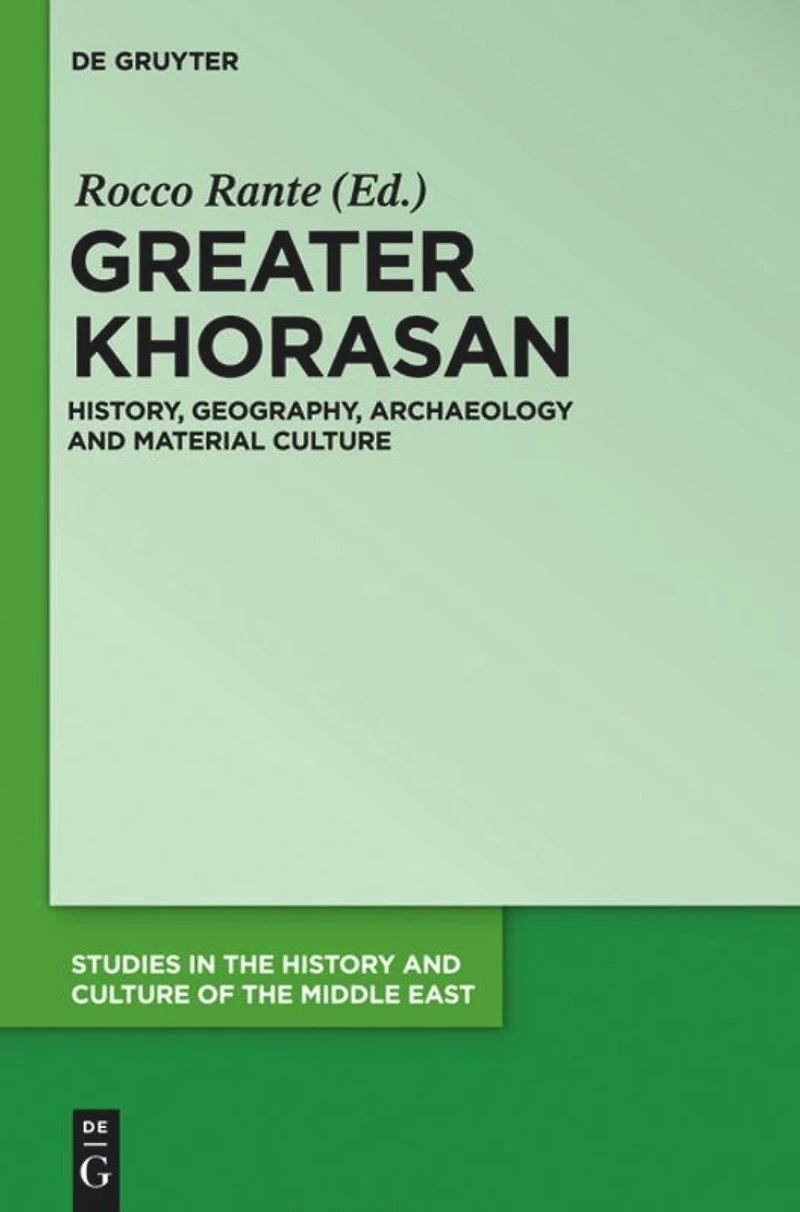
Greater Khorasan: History, Geography, Archaeology and Material Culture in Grande Prairie, AB
Current price: $154.99
Coles
Greater Khorasan: History, Geography, Archaeology and Material Culture in Grande Prairie, AB
Current price: $154.99
Loading Inventory...
Size: Hardcover
*Product information and pricing may vary - to confirm current pricing, availability, shipping, and return information please contact Coles. In the event of a pricing discrepancy, the retailer's price will apply.
The modern sense of “Greater Khorasan” today corresponds to a territory which not only comprises the region in the east of Iran but also, beyond Iranian frontiers, a part of Afghanistan and Turkmenistan. In the past this entity was simply defined as Khorasan. In the Sassanid era Khorasan defined the “Eastern lands”. In the Islamic era this term was again taken up in the same sense it previously enjoyed. The Arab sources of the first centuries all mention the eastern regions under the same toponym, Khorasan. Khorasan was the gateway used by Alexander the Great to go into Bactria and India and, inversely, that through which the Seljuks and Mongols entered Iran. In a diachronic context Khorasan was a transit zone, a passage, a crossroads, which, above all in the medieval period, saw the creation of different commercial routes leading to the north, towards India, to the west and into China. In this framework, archaeological researches will be the guiding principle which will help us to take stock of a material culture which, as its history, is very diversified. They also offer valuable elements on commercial links between the principal towns of Khorasan. This book will provide the opportunity to better know the most recent elements of the principal constitutive sites of this geographical and political entity.
The modern sense of “Greater Khorasan” today corresponds to a territory which not only comprises the region in the east of Iran but also, beyond Iranian frontiers, a part of Afghanistan and Turkmenistan. In the past this entity was simply defined as Khorasan. In the Sassanid era Khorasan defined the “Eastern lands”. In the Islamic era this term was again taken up in the same sense it previously enjoyed. The Arab sources of the first centuries all mention the eastern regions under the same toponym, Khorasan. Khorasan was the gateway used by Alexander the Great to go into Bactria and India and, inversely, that through which the Seljuks and Mongols entered Iran. In a diachronic context Khorasan was a transit zone, a passage, a crossroads, which, above all in the medieval period, saw the creation of different commercial routes leading to the north, towards India, to the west and into China. In this framework, archaeological researches will be the guiding principle which will help us to take stock of a material culture which, as its history, is very diversified. They also offer valuable elements on commercial links between the principal towns of Khorasan. This book will provide the opportunity to better know the most recent elements of the principal constitutive sites of this geographical and political entity.
You May Also Like








Find at Prairie Mall in Grande Prairie, AB
Visit at Prairie Mall in Grande Prairie, AB