


Gifting Made Simple
Give the Gift of ChoiceClick below to purchase a Prairie Mall eGift Card that can be used at participating retailers at Prairie Mall.Buy Gift CardHome
Grace And Christology The Early Church
Coles
Loading Inventory...
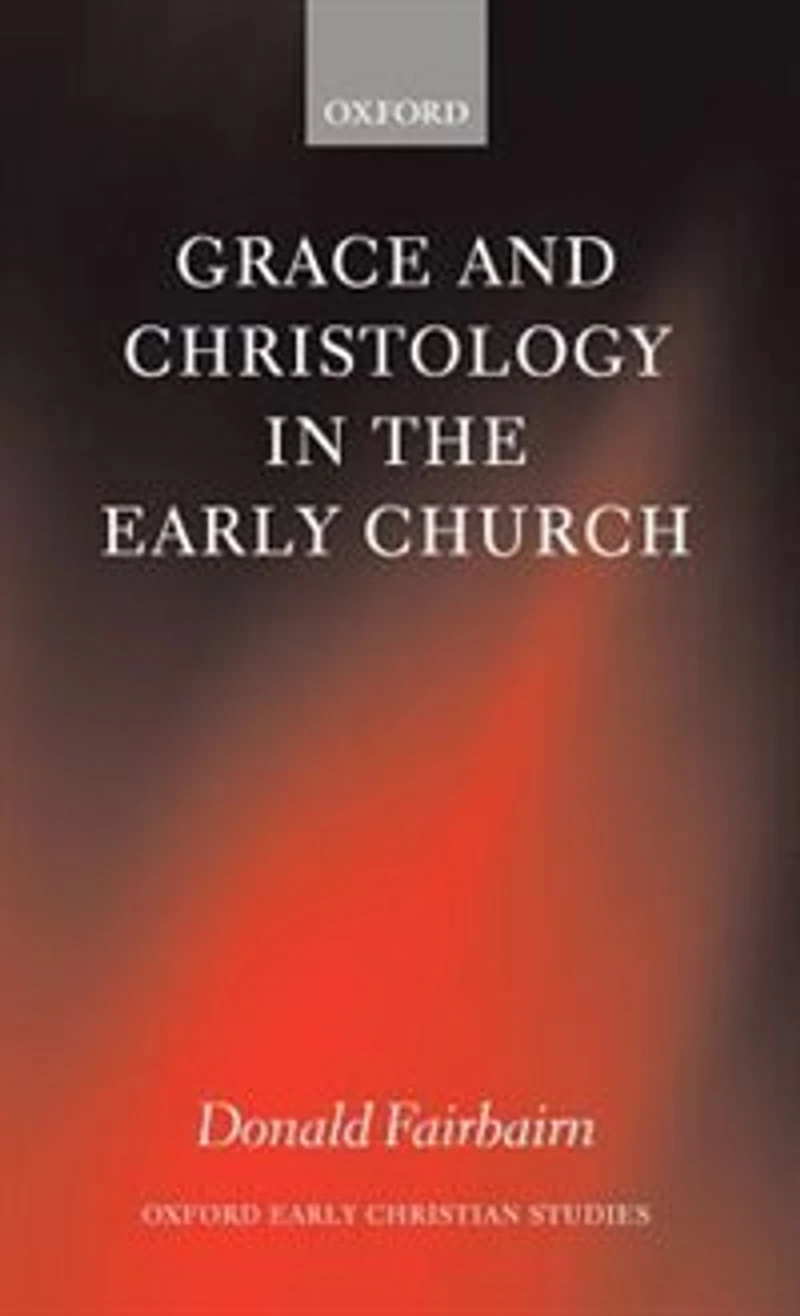
Grace And Christology The Early Church in Grande Prairie, AB
Current price: $330.00
Coles
Grace And Christology The Early Church in Grande Prairie, AB
Current price: $330.00
Loading Inventory...
Size: Hardcover
*Product information and pricing may vary - to confirm current pricing, availability, shipping, and return information please contact Coles. In the event of a pricing discrepancy, the retailer's price will apply.
Was there a genuine theological consensus about Christ in the early Church? Donald Fairbairn''s persuasive study uses the concept of grace to clarify this question. There were two sharply divergent understandings of grace and christology. One understanding, characteristic of Theodore and
Nestorius, saw grace as God''s gift of co-operation to Christians and Christ as the uniquely graced man. The other understanding, characteristic of Cyril of Alexandria and John Cassian, saw grace as God the Word''s personal descent to the human sphere so as to give himself to humanity. Dealing with,
among others, John Chrysostom, John of Antioch, and Leo the Great, Fairbairn suggests that these two understandings were by no means equally represented in the fifth century: Cyril''s view was in fact the consensus of the early Church.
Was there a genuine theological consensus about Christ in the early Church? Donald Fairbairn''s persuasive study uses the concept of grace to clarify this question. There were two sharply divergent understandings of grace and christology. One understanding, characteristic of Theodore and
Nestorius, saw grace as God''s gift of co-operation to Christians and Christ as the uniquely graced man. The other understanding, characteristic of Cyril of Alexandria and John Cassian, saw grace as God the Word''s personal descent to the human sphere so as to give himself to humanity. Dealing with,
among others, John Chrysostom, John of Antioch, and Leo the Great, Fairbairn suggests that these two understandings were by no means equally represented in the fifth century: Cyril''s view was in fact the consensus of the early Church.









Find at Prairie Mall in Grande Prairie, AB
Visit at Prairie Mall in Grande Prairie, AB