


Gifting Made Simple
Give the Gift of ChoiceClick below to purchase a Prairie Mall eGift Card that can be used at participating retailers at Prairie Mall.Buy Gift CardHome
Government Transparency: State Of The Art And New Perspectives
Coles
Loading Inventory...
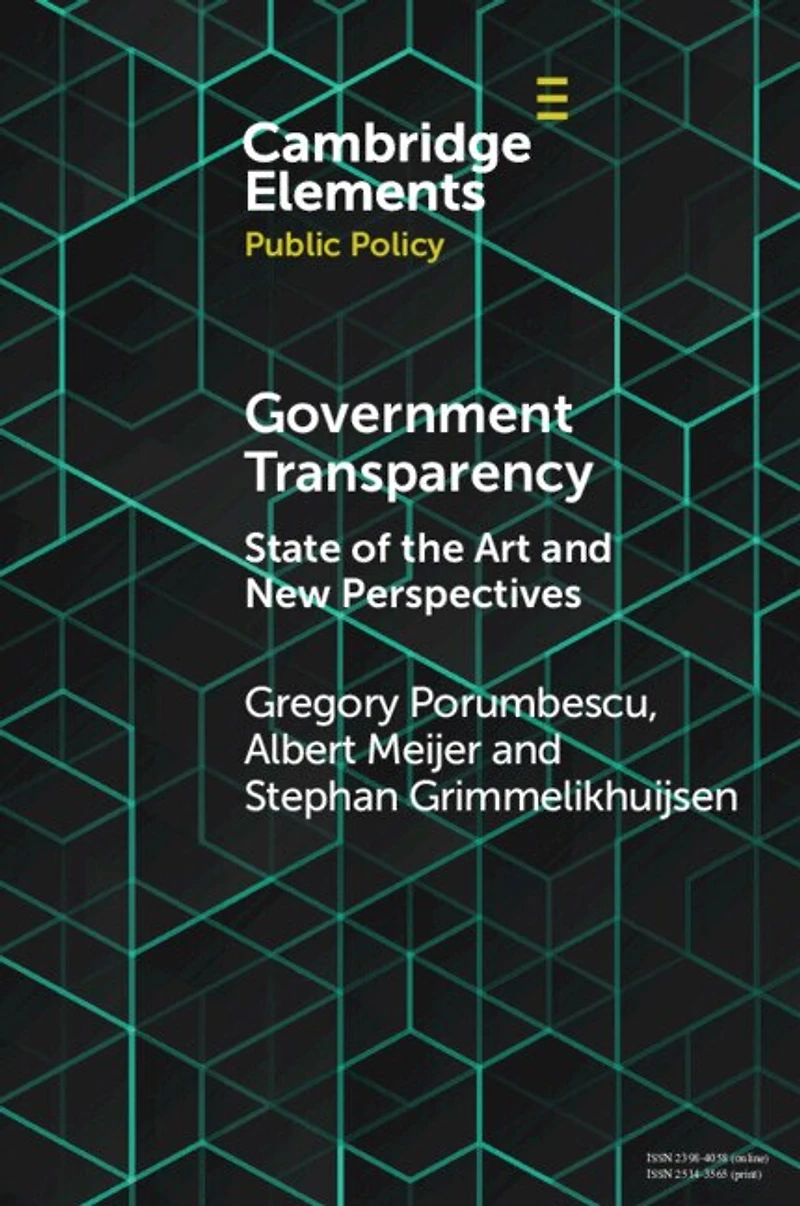
Government Transparency: State Of The Art And New Perspectives in Grande Prairie, AB
Current price: $29.54
Coles
Government Transparency: State Of The Art And New Perspectives in Grande Prairie, AB
Current price: $29.54
Loading Inventory...
Size: Paperback
*Product information and pricing may vary - to confirm current pricing, availability, shipping, and return information please contact Coles. In the event of a pricing discrepancy, the retailer's price will apply.
This Element argues that to understand why transparency “works” in one context, but fails in another, we have to take into account how institutional (macro), organizational (meso) contexts interact with individual behavior (micro). A review of research from each of these perspectives shows that the big promises thought to accompany greater transparency during the first two decades of the 20th century have not been delivered. For example, transparency does not necessarily lead to better government performance and more trust in government. At the same time, transparency is still a hallmark of democratic governance and as this book highlights, for instance, transparency has been relatively successful in combating government corruption. Finally, by explicitly taking a multilayered perspective into account, this Element develops new paths for future research.
This Element argues that to understand why transparency “works” in one context, but fails in another, we have to take into account how institutional (macro), organizational (meso) contexts interact with individual behavior (micro). A review of research from each of these perspectives shows that the big promises thought to accompany greater transparency during the first two decades of the 20th century have not been delivered. For example, transparency does not necessarily lead to better government performance and more trust in government. At the same time, transparency is still a hallmark of democratic governance and as this book highlights, for instance, transparency has been relatively successful in combating government corruption. Finally, by explicitly taking a multilayered perspective into account, this Element develops new paths for future research.
You May Also Like














Find at Prairie Mall in Grande Prairie, AB
Visit at Prairie Mall in Grande Prairie, AB